Jack Knife Sit-Up: Core Form, Benefits, Sets, Tips & FAQ
Learn the Jack Knife Sit-Up for stronger abs, better core control, and smooth hip balance with step-by-step form, sets, tips, FAQs, and gear.
Jack Knife Sit-Up
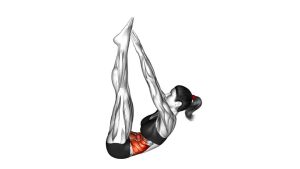
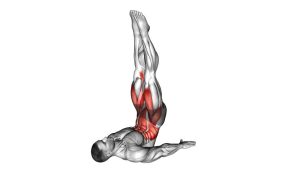
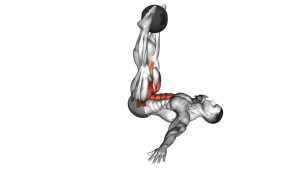
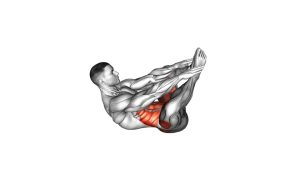
This exercise works best when each rep follows a clean sequence: lie long, brace the core, curl upward, bring the knees toward the chest, reach the arms forward, then lower back with control. In the uploaded video, the movement is performed without equipment, and the top position shows the body balanced on the hips with the feet elevated.
Quick Overview
| Body Part | Core |
|---|---|
| Primary Muscle | Rectus abdominis |
| Secondary Muscle | Hip flexors, transverse abdominis, obliques, and deep core stabilizers |
| Equipment | None; optional exercise mat for comfort |
| Difficulty | Intermediate because it requires coordinated upper-body lift, leg lift, and balance |
Sets & Reps (By Goal)
- Core control: 2–3 sets × 6–10 slow reps with 45–75 seconds rest.
- Ab strength: 3–4 sets × 8–12 reps with a controlled lift and controlled descent.
- Muscular endurance: 2–3 sets × 12–15 reps, only if form stays smooth.
- Beginner progression: 2–3 sets × 5–8 reps with knees bent and a smaller range of motion.
Progression rule: First improve control and range. After that, add reps gradually instead of speeding up the movement.
Setup / Starting Position
- Lie on your back: Start flat on the floor with your legs extended and together.
- Place your arms by your sides: Keep the arms long beside the body, as shown at the beginning of the video.
- Set your head and spine: Keep the head resting naturally and avoid craning the neck forward before the rep begins.
- Brace lightly: Draw the ribs down and prepare the abs before lifting.
- Keep the movement compact: Plan to lift into a balanced position rather than swinging aggressively upward.
Execution (Step-by-Step)
- Begin from the floor: Lie flat with legs extended and arms beside your body.
- Lift the upper body: Curl the head, shoulders, and torso away from the floor while keeping the movement controlled.
- Raise the legs: As the torso rises, lift the legs and begin bending the knees toward the chest.
- Reach forward: Bring the arms forward as you move into the top position.
- Balance at the top: Pause briefly with the knees close to the torso, feet lifted, and body balanced on the hips.
- Lower with control: Lean the torso back while extending the legs away from the body.
- Return to the start: Finish flat on the floor with legs straight and arms returning beside the body.
Pro Tips & Common Mistakes
- Use a smooth tempo: Lift and lower under control so your abs stay active through the full rep.
- Avoid momentum: Do not swing the arms or kick the legs to force the body upward.
- Keep the top position balanced: Pause briefly near the top without letting the feet drop.
- Do not pull on the neck: Since the arms move forward, let the core create the lift instead of straining the head forward.
- Control the descent: The lowering phase matters because it trains the abs eccentrically.
- Modify when needed: Bend the knees more, reduce the range, or perform one rep at a time if your lower back lifts too much.
FAQ
What muscles does the Jack Knife Sit-Up work?
The Jack Knife Sit-Up primarily targets the rectus abdominis. Additionally, it involves the hip flexors, obliques, and deep core stabilizers because the legs and torso move together.
Is the Jack Knife Sit-Up beginner-friendly?
It may be challenging for beginners because it requires coordination and balance. However, beginners can make it easier by bending the knees earlier, reducing the range of motion, and performing slower reps.
Should my feet touch the floor between reps?
In the video, the movement returns fully to the floor before the next repetition. Therefore, touching down between reps is acceptable, especially when you want cleaner control and less momentum.
Why do I feel this in my hip flexors?
Some hip flexor involvement is expected because the legs lift during the movement. Still, if the hip flexors dominate, slow down, brace the abs first, and reduce the leg range slightly.
How can I make the Jack Knife Sit-Up harder?
Once your form is stable, you can slow the lowering phase, pause longer at the top, or keep the legs straighter. However, do not increase difficulty if your lower back or neck begins to strain.
Recommended Equipment
- Exercise Mat — provides cushioning for your spine and hips during floor-based core work.
- Thick Non-Slip Yoga Mat — helps keep your body stable during the lifting and lowering phases.
- Ab Exercise Mat — supports floor-based abdominal training and may improve comfort.
- Light Ankle Weights — useful only for advanced progressions after bodyweight control is mastered.
- Core Sliders — helpful for related core progressions and controlled knee-tuck variations.
Tip: Master the no-equipment version first. Then, if every rep stays controlled, use optional tools only to support comfort or gradual progression.