Knee In-and-Out Crunch: Form, Benefits, Sets, Tips & FAQ
Learn the Knee In-and-Out Crunch to build stronger abs, improve core control, and train smooth knee-tuck mechanics with proper form.
Knee In-and-Out Crunch
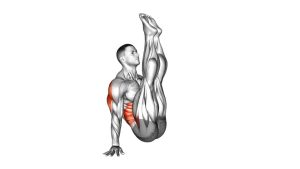
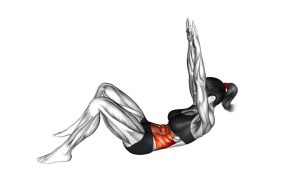
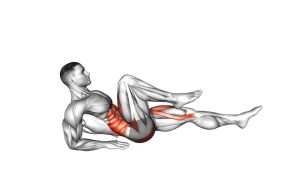
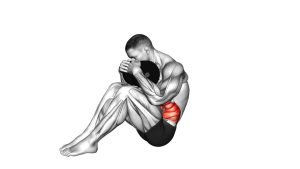
This exercise works best when the movement stays smooth, controlled, and compact. You should feel strong tension through the front of the abs, especially as the knees come in and the torso curls upward. The legs should not simply swing back and forth. Each rep should feel like a full-body abdominal compression followed by a controlled extension.
Quick Overview
| Body Part | Core |
|---|---|
| Primary Muscle | Rectus abdominis |
| Secondary Muscle | Hip flexors, obliques, transverse abdominis |
| Equipment | None; optional exercise mat |
| Difficulty | Beginner to Intermediate |
Sets & Reps (By Goal)
- Core activation: 2–3 sets × 8–12 controlled reps
- Ab strength: 3–4 sets × 10–15 reps
- Muscular endurance: 3–5 sets × 15–25 reps
- Beginner practice: 2 sets × 6–10 reps with a smaller leg extension
- Home ab finisher: 2–4 rounds × 20–40 seconds
Progression rule: First improve control and range. Then increase reps, time under tension, or slow down the leg extension phase.
Setup / Starting Position
- Lie on your back: Use a flat floor surface or an exercise mat for comfort.
- Lift the upper body slightly: Curl the shoulders off the floor into a mild crunch position.
- Position the legs: Extend the legs forward with the feet hovering above the floor.
- Brace the core: Pull the ribs down and keep the lower back controlled.
- Keep the neck neutral: Avoid pulling on the head or forcing the chin into the chest.
Tip: If your lower back arches, start with the legs higher or bend the knees more during the extension.
Execution (Step-by-Step)
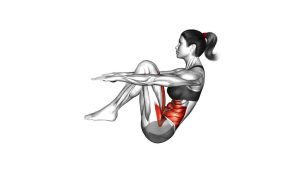
- Start in a hollow-style crunch: Keep your shoulders slightly lifted and your abs braced.
- Drive the knees inward: Bend both knees and bring them toward your chest.
- Curl the torso: Crunch upward at the same time to create abdominal compression.
- Pause briefly: Squeeze the abs at the top without pulling the neck forward.
- Extend the legs outward: Slowly send the legs forward again while keeping the feet off the floor.
- Maintain tension: Do not fully relax between reps. Keep the movement continuous and controlled.
Pro Tips & Common Mistakes
- Keep the feet hovering: Letting the feet drop to the floor removes tension from the abs.
- Control the out phase: The leg extension should be slow, not a fast kick.
- Avoid neck pulling: Support the head lightly if needed, but do not yank the chin forward.
- Do not arch the lower back: Shorten the range if your spine loses control.
- Use abdominal compression: Think about bringing ribs and hips closer together.
- Move with rhythm: Inhale as you extend, exhale as the knees come in.
- Do not rush reps: Faster reps often reduce ab tension and increase hip-flexor dominance.
FAQ
What muscles does the Knee In-and-Out Crunch work?
The main target is the rectus abdominis. The hip flexors help move the legs, while the obliques and deep core muscles assist with stability and spinal control.
Is the Knee In-and-Out Crunch good for lower abs?
Yes. It strongly challenges the lower-ab region because the legs extend away from the body while the core works to prevent the lower back from arching.
Should my feet touch the floor between reps?
Ideally, no. Keeping the feet slightly above the floor maintains constant abdominal tension. Beginners can tap the heels lightly if they need a regression.
Why do I feel this exercise in my hip flexors?
Some hip-flexor involvement is normal because the legs are moving. However, if the hip flexors dominate, reduce the range, slow down, and focus on curling the torso as the knees come in.
How can I make the Knee In-and-Out Crunch easier?
Keep the knees more bent, extend the legs less, place the hands beside the hips for support, or allow a light heel tap between reps.
How can I make it harder?
Extend the legs lower, slow the eccentric phase, pause at the extended position, or hold a light medicine ball between the hands if your form stays clean.
Recommended Equipment
- Exercise Mat — provides comfort and floor support during crunch variations
- Thick Yoga Mat — helpful if your spine or hips need extra cushioning
- Ab Mat — supports better trunk positioning for some floor core drills
- Ankle Weights — optional progression for advanced users with strong lower-back control
- Lightweight Medicine Ball — useful for advanced core variations and controlled ab progressions
Choose equipment that improves comfort and control. Do not add weight until you can perform clean reps without lower-back arching or neck tension.