Old School Reverse Extension: Form, Muscles Worked, Sets, Tips & FAQ
Learn how to perform the Old School Reverse Extension with proper form. Discover muscles worked, setup, step-by-step execution, sets by goal, common mistakes, FAQ, and recommended equipment.
Old School Reverse Extension
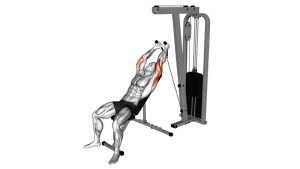
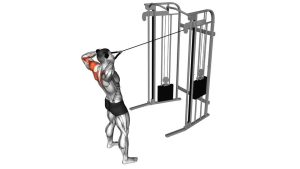
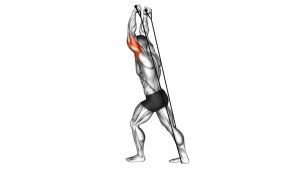
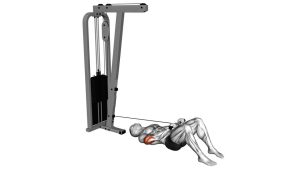
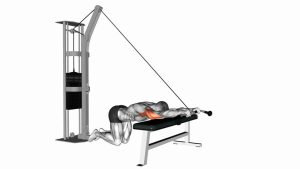
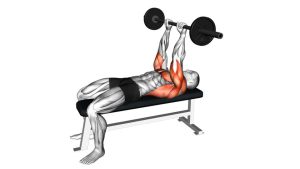
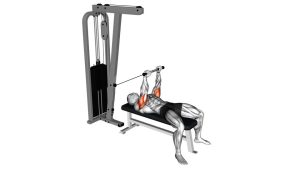
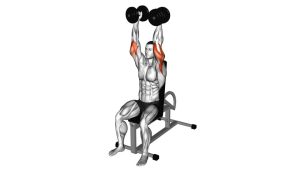
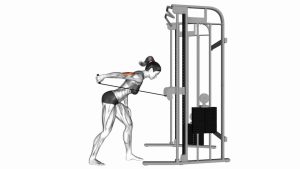
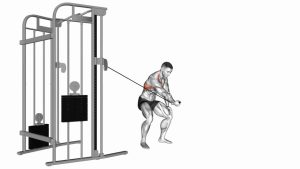
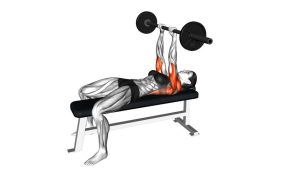
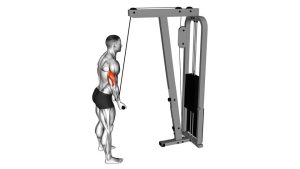
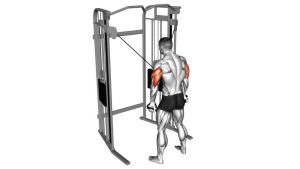
This exercise works best when the movement stays clean, controlled, and slightly arced behind the body. The goal is not to use momentum, but to create constant tension through the upper arms while keeping the chest up, shoulders down, and elbows only slightly bent. You should feel the rep mostly through the back of the upper arm and the rear shoulder, with the cable resisting both the backward drive and the return.
Quick Overview
| Body Part | Triceps |
|---|---|
| Primary Muscle | Triceps (especially the long head) |
| Secondary Muscle | Rear deltoids, lats, teres major, upper-back stabilizers |
| Equipment | Low cable machine with handle or strap attachment |
| Difficulty | Intermediate |
Sets & Reps (By Goal)
- Muscle building: 3–4 sets × 10–15 reps with controlled tempo and 45–75 sec rest
- Technique and tension work: 2–4 sets × 12–18 reps using lighter weight and strict form
- Finisher / pump work: 2–3 sets × 15–20 reps with short rest and constant tension
- Strength-support accessory: 3 sets × 8–12 reps after your main pressing or arm work
Progression rule: Build the exercise by improving control first, then add reps, then add small load increases. If the torso starts swinging or the elbows bend too much, the weight is too heavy.
Setup / Starting Position
- Set the pulley low: Attach a single handle, short bar, rope, or strap to a low cable position.
- Face away from the machine: Step forward so the cable travels from behind you and stays under light tension.
- Take your grip: Hold the handle(s) securely with your arms close to your sides and slightly behind the torso line.
- Stand tall: Keep feet about hip- to shoulder-width apart, knees soft, chest up, and core braced.
- Set the arm path: Maintain only a slight bend in the elbows and prepare to move mainly through shoulder extension.
Tip: A staggered stance can make the movement more stable if the cable load tries to pull you off balance.
Execution (Step-by-Step)
- Start under tension: Let the cable pull your arms slightly forward while keeping your torso upright and shoulders down.
- Drive the arms back: Sweep the arms behind the body in a smooth arc without turning the rep into a row or curl.
- Keep the elbows quiet: A small bend is fine, but do not repeatedly flex and extend the elbows to create momentum.
- Reach peak contraction: Finish when your hands move just behind the torso and the triceps fully tighten.
- Pause briefly: Hold for a split second without shrugging.
- Return with control: Let the arms come forward slowly against the cable’s pull and keep tension throughout the eccentric phase.
- Repeat smoothly: Maintain the same path and tempo on every rep.
Pro Tips & Common Mistakes
- Think “back, not down”: Drive the arms behind you instead of pushing toward the floor.
- Keep the torso still: Avoid swinging through the hips or leaning forward to cheat the rep.
- Use a moderate range: You want full control, not an exaggerated shoulder crank behind the body.
- Hold a soft elbow bend: Too much elbow motion shifts the exercise away from its intended pattern.
- Control the return: The eccentric phase is where a lot of useful tension happens.
- Don’t shrug: Keep the upper traps relaxed so the rear shoulder and triceps can do the work.
- Use lighter weight than you think: This exercise looks simple, but strict execution matters more than load.
FAQ
What muscles does the Old School Reverse Extension work most?
The exercise mainly emphasizes the triceps long head, while also recruiting the rear delts, lats, and upper-back stabilizers to support the backward arm path.
Is this a triceps exercise or a shoulder exercise?
It is best described as a hybrid upper-arm exercise. The motion is driven through shoulder extension, but the triceps long head contributes strongly because it crosses the shoulder joint.
How heavy should I go?
Start light enough that you can keep the rep smooth and avoid torso swing. This movement usually works better with strict moderate loads than with heavy cheating reps.
Can beginners do this exercise?
Yes, but many beginners need time to learn the arm path. If you struggle to feel the target muscles, reduce the load, slow the tempo, and focus on controlled backward extension.
What is the most common mistake?
The biggest mistake is using momentum—swinging the torso, bending the elbows too much, or turning the movement into a row, kickback, or pressdown hybrid instead of a clean reverse extension.
Recommended Equipment
- Tricep Rope Cable Attachment — useful for comfortable grip, better wrist freedom, and smooth cable tracking
- Single-Arm Tricep Rope Attachment — great for unilateral variations and correcting side-to-side imbalances
- Heavy-Duty Cable Handle / Rope Attachment — gives you a durable option for repeated upper-arm cable work
- Gym Wrist Wraps — helpful if your wrists feel stressed during repeated cable sessions
- Adjustable Cable Strap / Cuff Attachment — useful if you want to experiment with alternative grip or attachment setups on cable machines
Tip: Prioritize a comfortable, non-slip attachment that lets you keep the wrists neutral and the arm path smooth.