Sit-Up Punches: Core Strength, Boxing Abs, Form Tips & Sets
Learn Sit-Up Punches for stronger abs, obliques, shoulders, and boxing-style core control with step-by-step form, sets, tips, FAQs, and gear.
Sit-Up Punches
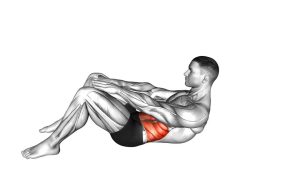
This movement works best when the sit-up and punches stay controlled instead of rushed. First, the abs lift the torso from the floor. Then, the arms punch from a guarded position while the core keeps the body steady. Because the feet stay planted and the knees remain bent, the movement focuses mainly on abdominal control, shoulder activity, and boxing-style rhythm.
Quick Overview
| Body Part | Abs |
|---|---|
| Primary Muscle | Rectus abdominis |
| Secondary Muscle | Obliques, hip flexors, anterior deltoids, triceps, and serratus anterior |
| Equipment | No equipment required; optional exercise mat |
| Difficulty | Beginner to intermediate, depending on speed, volume, and punch control |
Sets & Reps (By Goal)
- Core endurance: 3–4 sets × 12–20 reps, resting 45–75 seconds between sets.
- Beginner control: 2–3 sets × 8–12 reps, using slow sit-ups and light punches.
- Boxing-style conditioning: 3–5 rounds × 30–45 seconds, resting 30–60 seconds.
- Ab finisher: 2–3 sets × 15–25 reps at the end of a core or full-body workout.
Progression rule: Add reps before adding speed. Once every sit-up and punch stays clean, increase the work time or reduce rest slightly.
Setup / Starting Position
- Lie on your back: Position yourself on the floor with your knees bent and feet flat.
- Set your feet: Keep both feet grounded so your lower body stays stable during the sit-up.
- Bring hands to guard: Place both fists near your chin with elbows bent.
- Brace your core: Tighten your abs gently before lifting your torso.
- Keep the neck neutral: Look forward naturally and avoid pulling your head with your hands.
Use an exercise mat if the floor feels uncomfortable. However, keep the surface firm enough to support controlled sit-ups.
Execution (Step-by-Step)
- Start from the floor: Lie back with your knees bent, feet planted, and hands near your face.
- Sit up with control: Contract your abs and lift your torso until you reach a seated position.
- Stabilize at the top: Keep your chest up enough to punch without losing balance.
- Punch forward: Extend one arm straight ahead while the opposite hand stays near your chin.
- Return to guard: Pull the punching hand back under control before switching sides.
- Punch with the other arm: Extend the opposite arm forward while keeping your core tight.
- Lower slowly: Bring both hands back to guard, then lower your torso to the floor with control.
- Repeat: Continue the same pattern for the target reps or time.
Pro Tips & Common Mistakes
- Keep the punches controlled: Reach forward with intent, but avoid snapping the elbow aggressively.
- Return to guard every time: Bring each hand back near your chin before the next punch.
- Do not pull the neck: Your hands should stay in a boxing guard, not behind the head.
- Avoid collapsing backward: Lower the spine with control instead of dropping onto the floor.
- Keep the feet planted: If your feet lift, slow down and reduce the range slightly.
- Use your abs first: The sit-up should come from core contraction, not arm momentum.
- Breathe with rhythm: Exhale as you sit up or punch, then inhale as you lower down.
- Control the top position: Stay balanced before punching so the movement remains clean.
FAQ
What muscles do Sit-Up Punches work?
Sit-Up Punches mainly work the rectus abdominis. They also involve the obliques, hip flexors, shoulders, triceps, and serratus anterior because the punches require upper-body control.
Are Sit-Up Punches good for boxing conditioning?
Yes. They can support boxing-style conditioning because they combine core endurance with repeated punches. However, they should be performed with control rather than uncontrolled speed.
Should I twist during Sit-Up Punches?
In the visible exercise pattern, the punches move mostly forward with minimal torso rotation. Therefore, keep the movement stable unless you are intentionally doing a twisting variation.
Can beginners do Sit-Up Punches?
Beginners can perform this exercise if they can complete a basic sit-up without discomfort. If the full sit-up is too difficult, reduce the range or perform a crunch-and-punch variation first.
Why does my lower back hurt during Sit-Up Punches?
Lower-back discomfort may happen if you rush the movement, lose core tension, or pull yourself up with momentum. Slow down, brace before lifting, and stop if pain continues.
Recommended Equipment
- Exercise Mat — adds comfort and support for repeated floor-based sit-ups.
- Ab Mat — supports the lower back and can improve sit-up positioning.
- Boxing Hand Wraps — useful if you pair this movement with boxing drills or bag work.
- Light Weighted Boxing Gloves — optional for advanced users who want more shoulder and arm challenge.
- Workout Interval Timer — helps structure timed boxing-style core rounds.
Tip: Start with bodyweight only. Add tools only after your sit-up, punch timing, and lowering phase stay controlled.