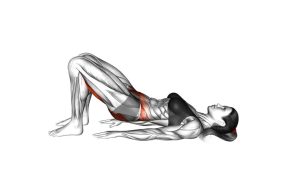
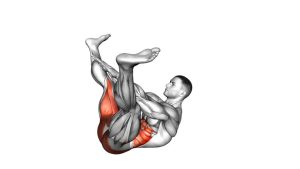
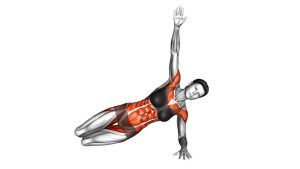
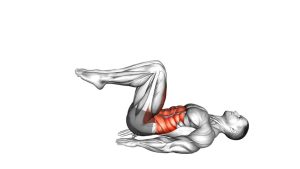
Lying Single to Double Toe Tap: Core Form, Sets, Tips & FAQ
Learn the Lying Single to Double Toe Tap to build core control, strengthen abs, and improve pelvic stability with safe form tips.
Lying Single to Double Toe Tap
This exercise is useful for improving deep core strength, lower-ab control, and body awareness. Because the legs move away from the torso, the abs must work to stop the lower back from arching. The single-leg portion teaches control, while the double-leg portion increases the demand on the core.
Quick Overview
| Body Part | Core |
|---|---|
| Primary Muscle | Rectus abdominis and transverse abdominis |
| Secondary Muscle | Obliques, hip flexors, pelvic stabilizers |
| Equipment | None; optional exercise mat |
| Difficulty | Beginner to intermediate, depending on range and control |
Sets & Reps (By Goal)
- Core control: 2–3 sets × 6–8 full sequences per side
- Beginner strength: 2–3 sets × 8–10 single toe taps before adding double taps
- Ab endurance: 3–4 sets × 10–14 controlled reps
- Warm-up activation: 1–2 sets × 6–8 slow reps before lower-body or core training
Progression rule: First master the single-leg toe tap without lower-back arching. Then add the double-leg toe tap only when you can keep the pelvis stable.
Setup / Starting Position
- Lie on your back: Use a flat surface or exercise mat for comfort.
- Raise both legs: Bring your hips and knees to about 90 degrees, with shins roughly parallel to the floor.
- Set your ribs: Gently pull the ribs down so the lower back stays close to the floor.
- Place arms by your sides: Keep palms down for light support, but do not push aggressively.
- Brace lightly: Create gentle abdominal tension as if preparing for a small cough.
Your starting position should feel stable. If the lower back lifts before you begin, bring the knees closer to the chest.
Execution (Step-by-Step)
- Start in tabletop: Keep both knees bent and stacked above the hips.
- Lower one foot: Slowly move one leg down until the toes lightly tap the floor or hover just above it.
- Keep the pelvis still: Do not let the lower back arch or the hips rock side to side.
- Return to tabletop: Bring the first leg back up with control.
- Repeat on the other side: Lower the opposite foot using the same smooth tempo.
- Add the double toe tap: Lower both feet together only as far as you can control your lower back.
- Return slowly: Bring both legs back to tabletop without swinging or using momentum.
Pro Tips & Common Mistakes
- Move slowly: A slow toe tap builds more control than a fast, swinging rep.
- Do not arch the lower back: This is the most important form rule for the exercise.
- Keep the knees bent: Straightening the legs too much can make the movement harder than intended.
- Use a small range first: You do not need to touch the floor if your back loses position.
- Keep the neck relaxed: Avoid lifting the head or straining the shoulders.
- Breathe with control: Exhale as the leg lowers and maintain gentle tension through the abs.
FAQ
What muscles does the Lying Single to Double Toe Tap work?
It mainly works the abs, especially the rectus abdominis and transverse abdominis. It also involves the obliques and hip flexors as stabilizers.
Is this exercise good for beginners?
Yes. Beginners can start with only single-leg toe taps. The double-leg toe tap should be added once the lower back stays stable.
Should my toes touch the floor?
They can lightly touch the floor, but it is not required. The main goal is to control the pelvis and keep the lower back from arching.
Why does my lower back lift during the movement?
This usually means the range is too large or the core is not braced enough. Bring the knees closer to the chest, reduce the lowering distance, and move more slowly.
Is this the same as a dead bug?
It is similar to a dead bug variation, but this version focuses mainly on leg movement. A traditional dead bug often includes opposite arm and leg movement together.
Recommended Equipment
- Exercise Mat — provides cushioning for the spine and hips during floor-based core work
- Thick Yoga Mat — helpful if you need extra comfort while lying on your back
- Pilates Ball — useful for core activation drills and beginner-friendly ab progressions
- Mini Resistance Bands — useful for adding hip and glute activation to core routines
- Core Sliders — useful for advanced core stability exercises after mastering toe taps
Tip: Equipment is optional for this exercise. A mat is usually enough, but accessories can help build a complete core training routine.