Suspended Sprinter: Form, Benefits, Sets, Tips & FAQ
Learn the Suspended Sprinter for explosive knee drive, sprint mechanics, cardio conditioning, core control, proper setup, common mistakes, and equipment.
Suspended Sprinter
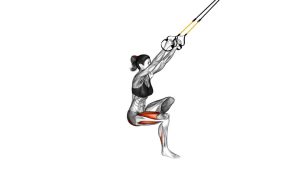
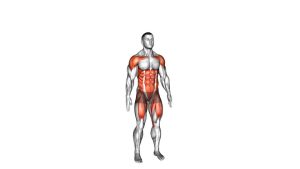
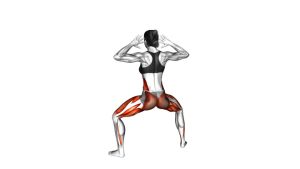
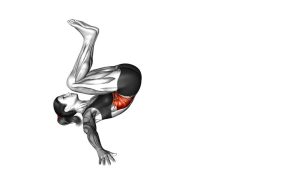
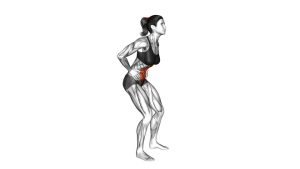
This exercise works best when the body stays in one strong diagonal line while the legs move quickly. The goal is not to bounce randomly or pull hard with the arms. Instead, keep the suspension handles firm, lean forward with control, and drive each knee upward like a sprint start. The movement should feel athletic, rhythmic, and stable.
Quick Overview
| Body Part | Cardio |
|---|---|
| Primary Muscle | Hip flexors, quadriceps, glutes |
| Secondary Muscle | Core stabilizers, calves, hamstrings, shoulders, upper back |
| Equipment | Suspension trainer / TRX-style straps |
| Difficulty | Intermediate |
Sets & Reps (By Goal)
- Cardio conditioning: 3–5 rounds × 20–40 seconds, rest 30–60 seconds between rounds.
- Sprint mechanics: 3–4 sets × 8–12 knee drives per side, focusing on clean rhythm.
- Power and acceleration: 4–6 sets × 10–20 seconds, using fast but controlled knee drives.
- Warm-up activation: 2–3 sets × 10–15 reps per side at moderate speed.
Progression rule: First improve control, posture, and knee path. Then increase speed, working time, or forward lean gradually.
Setup / Starting Position
- Secure the suspension trainer: Attach the straps to a strong overhead anchor and adjust both handles evenly.
- Hold the handles: Face away from the anchor point with one handle in each hand.
- Create your lean: Walk your feet back slightly and lean forward until the straps are tight.
- Set your posture: Keep your body in a straight diagonal line from head to heel.
- Brace your core: Keep ribs down, glutes lightly engaged, and shoulders stable.
- Start in a sprinter stance: One knee slightly forward and the opposite leg extended behind you.
Your lean should feel strong and athletic, not unstable. If the angle feels too aggressive, step forward and reduce the lean before starting.
Execution (Step-by-Step)
- Brace before moving: Keep the straps tight, arms steady, and torso firm.
- Drive one knee forward: Pull the knee toward hip height while keeping the toes active and controlled.
- Extend the opposite leg: Push the other leg back behind you as if creating a sprint stride.
- Switch quickly: Return the first foot down and immediately drive the opposite knee forward.
- Maintain rhythm: Continue alternating knee drives with smooth, athletic timing.
- Keep your body angle: Avoid standing upright or collapsing into the straps.
- Finish with control: Slow the movement down before stepping forward to exit safely.
Pro Tips & Common Mistakes
- Keep the lean consistent: Do not rise up and down with every knee drive.
- Drive the knee straight forward: Avoid letting the knee cross inward or flare far outside the hip line.
- Use the straps for support, not pulling: The arms should stabilize, not dominate the movement.
- Stay light on the feet: Quick ground contact improves rhythm and reduces impact.
- Brace the core: Do not let the lower back arch as your legs speed up.
- Control your breathing: Breathe rhythmically instead of holding your breath.
- Start slower than you think: Clean posture matters more than maximum speed.
FAQ
What is the Suspended Sprinter good for?
The Suspended Sprinter helps train sprint-style knee drive, cardio conditioning, hip flexor activity, glute control, and core stability. It is useful for athletes, HIIT sessions, and suspension trainer workouts.
Is the Suspended Sprinter a leg exercise or a cardio exercise?
It is both. The legs perform the main movement, but the fast alternating rhythm also raises heart rate, making it a strong cardio and conditioning drill.
Should beginners do the Suspended Sprinter?
Beginners can perform a slower version with a smaller forward lean. However, the full fast version is usually better for intermediate users who already have basic balance, core control, and suspension trainer experience.
How high should I drive my knee?
Aim to drive the knee near hip height while keeping the torso stable. Do not chase height if it causes rounding, twisting, or loss of balance.
Why do I feel this in my arms and shoulders?
Your arms and shoulders work isometrically to hold the straps and stabilize the body angle. However, they should not feel like the main working muscles. If they do, reduce how hard you pull on the handles.
Recommended Equipment
- Suspension Trainer Straps — the main tool needed for suspended sprinter drills and full-body suspension training
- TRX-Style Suspension Trainer — a durable strap system for cardio, strength, and athletic movement training
- Door Anchor for Suspension Trainer — useful for home setups when a fixed overhead anchor is not available
- Non-Slip Exercise Mat — helps improve foot grip and comfort during fast alternating sprint drills
- HIIT Training Shoes — provides better grip and support for quick cardio-based footwork
Choose equipment that feels stable and secure. Suspension trainer exercises depend heavily on anchor safety, strap quality, and controlled body positioning.