Wall Plank: Beginner Core Stability Exercise for Better Posture
Learn the Wall Plank to build beginner-friendly core stability, shoulder control, and posture strength with safe form, sets, tips, FAQs, and gear.
Wall Plank
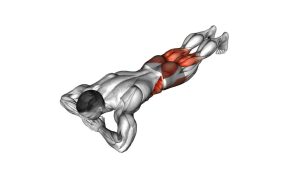
The Wall Plank is excellent for beginners, warm-ups, posture practice, and low-impact core activation. Because the body is supported at an incline, it reduces pressure on the wrists, shoulders, and lower back compared with a floor plank. It teaches the same important plank skill: keeping the torso firm while the arms and shoulders support the body.
Quick Overview
| Body Part | Core |
|---|---|
| Primary Muscle | Rectus abdominis and deep core stabilizers |
| Secondary Muscle | Obliques, transverse abdominis, shoulders, chest, serratus anterior, glutes |
| Equipment | Wall only; optional exercise mat, grip gloves, or timer |
| Difficulty | Beginner |
Sets & Reps (By Goal)
- Beginner core activation: 2–3 sets × 15–25 seconds
- Posture and control practice: 3 sets × 20–40 seconds
- Warm-up before training: 1–2 sets × 20–30 seconds
- Endurance progression: 3–4 sets × 30–60 seconds
- Rehab-style low-impact core work: 2–3 sets × 10–20 seconds with perfect form
Progression rule: First increase hold time. Then step the feet slightly farther from the wall. The farther your feet move back, the harder the Wall Plank becomes.
Setup / Starting Position
- Stand facing a wall: Position yourself about one to two steps away from the wall.
- Place your hands on the wall: Keep palms flat at about shoulder height and shoulder-width apart.
- Step your feet back: Create a forward-leaning angle while keeping your heels grounded if comfortable.
- Stack your body: Keep your head, neck, ribs, hips, knees, and ankles in one long diagonal line.
- Brace lightly: Tighten your abs as if preparing for a gentle push, but continue breathing normally.
The starting position should feel stable, controlled, and easy enough to hold without arching your lower back.
Execution (Step-by-Step)
- Press into the wall: Keep both palms firm against the wall without shrugging your shoulders.
- Brace your core: Gently draw the ribs down and keep the stomach firm.
- Hold a straight line: Avoid letting the hips sag forward or lifting them too high.
- Keep the neck neutral: Look toward the wall without dropping or lifting the head.
- Breathe steadily: Inhale through the nose and exhale slowly while maintaining tension.
- Finish with control: Step closer to the wall or push back to standing when the set is complete.
Pro Tips & Common Mistakes
- Keep your body straight: Do not bend at the hips or let the belly drop forward.
- Do not turn it into a push-up: The Wall Plank is a static hold, not a bending-and-pressing movement.
- Relax your neck: Keep your chin slightly tucked and avoid craning the head forward.
- Use the glutes: Lightly squeeze the glutes to help protect the lower back.
- Control shoulder position: Press the wall away gently so the upper back stays active.
- Adjust the difficulty: Step closer to make it easier, or step farther back to make it harder.
- Avoid holding your breath: Smooth breathing helps maintain better core control.
FAQ
What muscles does the Wall Plank work?
The Wall Plank mainly trains the core muscles, especially the abs and deep stabilizers. It also activates the shoulders, chest, serratus anterior, glutes, and postural muscles.
Is the Wall Plank good for beginners?
Yes. The Wall Plank is one of the most beginner-friendly plank variations because the wall reduces load while still teaching proper core bracing and body alignment.
How can I make the Wall Plank harder?
Step your feet farther away from the wall, increase the hold time, slow your breathing, or progress to an incline plank on a bench before moving to the floor plank.
Should my elbows be locked during the Wall Plank?
Your arms should stay straight, but not aggressively locked. Keep a slight softness in the elbows and focus on pressing through the hands while keeping the shoulders stable.
Why does my lower back feel tight during the Wall Plank?
Lower-back tightness often happens when the hips sag or the ribs flare. Step closer to the wall, brace your abs, squeeze your glutes lightly, and keep your body in one straight line.
Recommended Equipment (Optional)
- Exercise Interval Timer — useful for tracking plank holds and rest periods
- Non-Slip Yoga Mat — helps with foot grip and comfort during wall-based core work
- Workout Gloves with Grip — helps keep hands comfortable and secure against the wall
- Resistance Bands Set — useful for pairing the Wall Plank with posture and shoulder stability drills
- Foam Roller — helpful for warm-ups, thoracic mobility, and recovery work
Tip: Equipment is optional. The most important tool for the Wall Plank is a stable wall and clean body alignment.