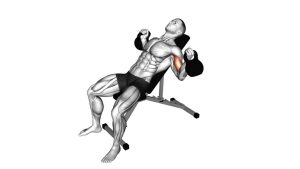
Seated Close-Grip Barbell Concentration Curl: Form, Sets, Tips & FAQ
Learn the Seated Close-Grip Barbell Concentration Curl for strict biceps isolation and better inner-arm tension. Includes proper form, sets by goal, common mistakes, FAQs, and recommended equipment.
Seated Close-Grip Barbell Concentration Curl
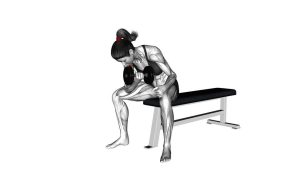
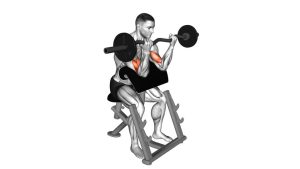
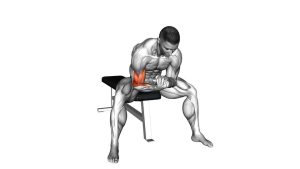
This exercise works best when you treat it like an isolation movement, not a max-load curl. Keep the torso stable, maintain a narrow grip, and curl through a smooth arc without rocking backward. You should feel the biceps doing most of the work, especially near the top where the elbows stay pinned and the bar path stays controlled.
Quick Overview
| Body Part | Biceps |
|---|---|
| Primary Muscle | Biceps brachii (short head emphasis) |
| Secondary Muscle | Brachialis, brachioradialis, forearms |
| Equipment | Barbell, bench or sturdy seat |
| Difficulty | Intermediate (strict form is essential for best results) |
Sets & Reps (By Goal)
- Muscle growth: 3–4 sets × 8–12 reps, 60–90 sec rest
- Strict biceps isolation: 3–4 sets × 10–15 reps, moderate load, controlled tempo
- Strength-focused arm work: 3–5 sets × 6–8 reps, heavier load, longer rest
- Finisher / pump work: 2–3 sets × 12–15 reps, lighter load, strong squeeze at the top
Progression rule: Add reps before adding weight. Only increase load when you can keep the elbows stable, avoid torso swing, and lower the bar under full control.
Setup / Starting Position
- Sit on a bench or seat: Plant your feet firmly and spread the knees enough to create room for the barbell and arm position.
- Take a close grip: Hold the barbell with a narrow underhand grip, usually around shoulder-width or slightly inside.
- Lean slightly forward: Hinge just enough so your upper arms can stay braced near the inner thighs.
- Set the elbows: Keep them tucked and supported in a concentration-style position to reduce momentum.
- Start with arms nearly extended: Lower the bar under control to the bottom without fully relaxing tension.
Tip: Use a load you can curl cleanly. This movement loses value quickly when body English takes over.
Execution (Step-by-Step)
- Brace and stay still: Keep the chest set, shoulders down, and elbows anchored near the thighs.
- Curl the bar upward: Flex the elbows and bring the bar toward your upper torso using the biceps, not your back.
- Keep the wrists steady: Avoid excessive wrist curl; let the elbows drive the motion.
- Squeeze at the top: Pause briefly when the biceps are fully contracted.
- Lower with control: Return the bar slowly to the start position without dropping tension or bouncing at the bottom.
Pro Tips & Common Mistakes
- Use a true close grip: A narrower grip helps bias the short head of the biceps and keeps the movement compact.
- Don’t swing the torso: The seated setup is meant to remove momentum, so stay disciplined.
- Keep elbows fixed: Letting them drift forward turns it into a different curl pattern.
- Control the eccentric: The lowering phase is where a lot of growth stimulus happens.
- Don’t overload too early: This exercise shines with moderate weight and precision, not ego lifting.
- Avoid wrist collapse: Keep the grip firm and wrists mostly neutral to protect the forearms and elbows.
FAQ
What makes this different from a regular seated barbell curl?
The concentration-style elbow position helps anchor the arms and cut down on momentum. That usually makes the movement stricter and more isolating than a standard seated curl.
What part of the biceps does the close grip emphasize?
A close grip generally places more emphasis on the short head of the biceps, which can help build inner-arm thickness and a stronger peak contraction feeling.
Should I go heavy on this exercise?
Not usually. This is best used as a controlled hypertrophy movement. Most lifters get more benefit from moderate weight, full tension, and a slower lowering phase.
Can beginners use this exercise?
Yes, but many beginners do better learning standard dumbbell or barbell curls first. Once you can control your elbows and wrist position, this variation becomes much more effective.
Is an EZ curl bar a good substitute?
Yes. An EZ curl bar can feel more comfortable on the wrists for some lifters while still giving you a close-grip curling pattern.
Recommended Equipment
- EZ Curl Bar / Preacher Curl Bar — often easier on the wrists than a straight bar while still working well for close-grip curling
- Preacher Curl Pad — useful if you want extra upper-arm support for strict biceps isolation
- Preacher Curl Bench — a dedicated option for lifters who want even more stability and arm support during curl variations
- Adjustable Weight Bench — provides a sturdy seat for strict seated curls and other arm training movements
- Wrist Wraps — can add support if heavy curls irritate the wrists during repeated sets
Tip: Prioritize comfort and control. For this exercise, supportive equipment that helps you keep stricter form is usually more useful than buying heavier gear too soon.