Dumbbell Alternate Biceps Curl: Proper Form, Sets, Muscles Worked & Tips
Learn how to perform the Dumbbell Alternate Biceps Curl with proper form. Discover muscles worked, setup, step-by-step execution, sets and reps by goal, common mistakes, FAQs, and recommended equipment.
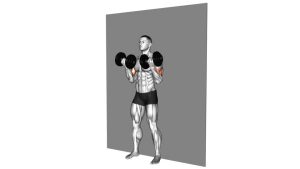
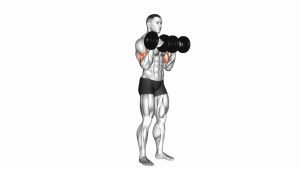
Dumbbell Alternate Biceps Curl
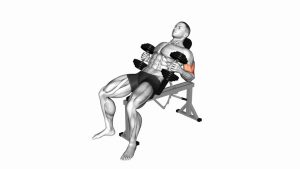
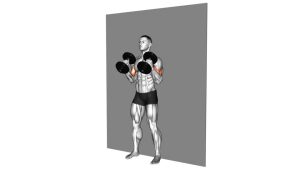
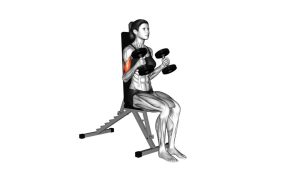
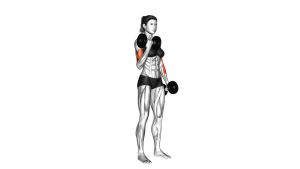
This movement is most effective when performed with controlled tempo, full elbow flexion, and a deliberate squeeze at the top. The alternating pattern helps many lifters stay focused on each arm individually, which can improve coordination and reduce compensation from the stronger side. You should feel the work mainly in the front of the upper arm, with the forearms assisting during the curl.
Quick Overview
| Body Part | Biceps |
|---|---|
| Primary Muscle | Biceps brachii |
| Secondary Muscle | Brachialis, brachioradialis, forearm flexors |
| Equipment | Pair of dumbbells |
| Difficulty | Beginner to Intermediate |
Sets & Reps (By Goal)
- Muscle growth (hypertrophy): 3–4 sets × 8–12 reps per arm, 60–90 sec rest
- General strength: 4–5 sets × 6–8 reps per arm, 90–120 sec rest
- Muscle endurance / lighter pump work: 2–3 sets × 12–20 reps per arm, 45–60 sec rest
- Beginner technique practice: 2–3 sets × 8–10 reps per arm with light weight and strict form
Progression rule: Add reps first while keeping the curl smooth and controlled. Increase load only when you can complete all reps without torso swing or elbow drift.
Setup / Starting Position
- Stand tall: Place your feet about hip-width to shoulder-width apart for balance.
- Hold a dumbbell in each hand: Start with the arms fully extended by your sides and palms facing inward.
- Brace your core: Keep the chest up, shoulders relaxed, and spine neutral.
- Tuck the elbows in: Keep them close to the torso so the curl stays focused on elbow flexion.
- Set the wrists neutral: Avoid bending them backward before starting the rep.
Tip: Start lighter than you think you need. Strict alternating curls expose poor form quickly when the weight is too heavy.
Execution (Step-by-Step)
- Start from the bottom: Let both dumbbells hang at your sides with control and no body sway.
- Curl one dumbbell upward: Flex the elbow while keeping the upper arm mostly fixed.
- Supinate as you lift: Rotate the wrist so the palm faces up as the dumbbell approaches shoulder height.
- Squeeze at the top: Pause briefly and contract the biceps without letting the elbow travel far forward.
- Lower slowly: Reverse the motion under control until the arm is fully extended again.
- Switch arms: Perform the same motion with the opposite side while the non-working arm remains still.
- Continue alternating: Repeat rep by rep until all prescribed reps per arm are completed.
Pro Tips & Common Mistakes
- Use full supination: Turning the palm up as you curl helps maximize biceps involvement.
- Keep the elbows pinned: If the elbows shoot forward, the front delts start taking over.
- Control the negative: Lowering slowly improves tension and makes lighter weights more effective.
- Don’t rock the torso: Leaning back to move the dumbbell usually means the weight is too heavy.
- Avoid half reps: Use a full range of motion unless you are intentionally using partials as an advanced technique.
- Keep the wrists strong: Don’t let them collapse backward at the top of the curl.
- Train both arms evenly: Match reps and tempo on each side to reduce imbalances.
FAQ
What muscles does the Dumbbell Alternate Biceps Curl work?
It primarily targets the biceps brachii, while the brachialis, brachioradialis, and forearm muscles assist during the movement.
Why use alternating curls instead of curling both dumbbells together?
Alternating curls help you focus on one arm at a time, improve mind-muscle connection, and reduce the temptation to swing both weights at once.
Should I rotate my wrist during the curl?
Yes. Starting with a neutral grip and rotating to a palm-up position during the lift can help emphasize the biceps more effectively.
How heavy should I go?
Choose a weight that allows strict reps with no torso swing. You should be challenged, but still able to control both the top squeeze and the lowering phase.
Can beginners do this exercise?
Absolutely. It is one of the best beginner-friendly biceps exercises because it is easy to learn, easy to scale, and effective for both muscle growth and technique development.
Recommended Equipment
- Adjustable Dumbbells — ideal for progressive overload and home biceps training
- Arm Blaster for Biceps Curls — helps keep the elbows fixed and improves strict curl form
- Wrist Wraps — useful for lifters who want extra wrist stability during curls
- Workout Gloves — can improve grip comfort and reduce handle slipping
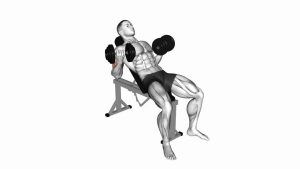
- Adjustable Weight Bench — useful if you want to pair this exercise with incline curls or seated arm work
Tip: Dumbbells are the essential tool here. The other items are optional accessories that can improve comfort, stability, or exercise variety.