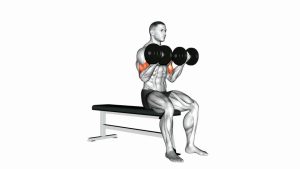
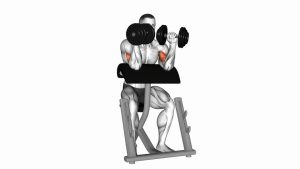
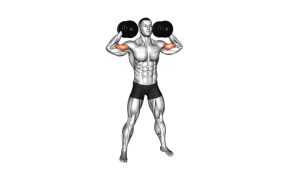
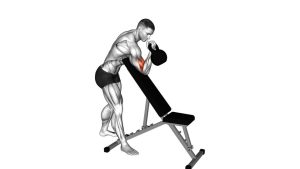
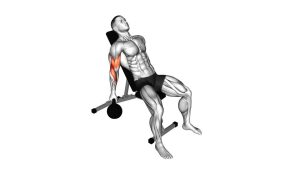
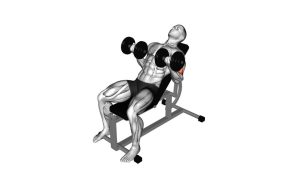
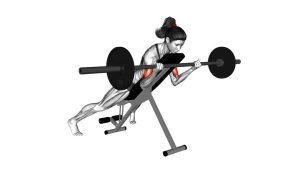
Kettlebell Prone Incline Curl: Form, Muscles Worked, Sets, Tips & FAQ
Learn how to do the Kettlebell Prone Incline Curl with strict form to target the biceps through a deep stretch and controlled contraction. Includes setup, step-by-step execution, sets by goal, common mistakes, FAQ, and recommended equipment.
Kettlebell Prone Incline Curl
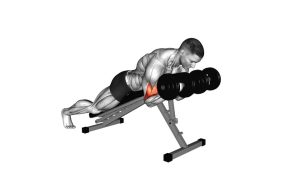
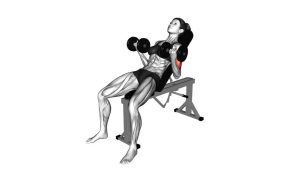
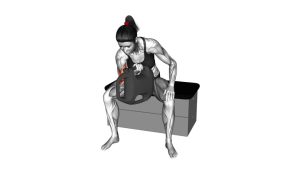
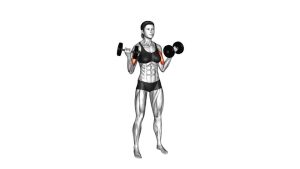
This exercise is ideal for lifters who want a cleaner, more controlled curl variation with less cheating. The incline bench support reduces swinging, while the prone body position makes it easier to keep the shoulders quiet and the elbows working through a strict curling path. You should feel the exercise mostly in the biceps, with additional work from the brachialis, brachioradialis, and forearm stabilizers.
Quick Overview
| Body Part | Biceps |
|---|---|
| Primary Muscle | Biceps brachii |
| Secondary Muscle | Brachialis, brachioradialis, forearms, grip stabilizers |
| Equipment | Kettlebells and an incline bench |
| Difficulty | Beginner to Intermediate |
Sets & Reps (By Goal)
- Muscle growth: 3–4 sets × 8–12 reps with 60–90 seconds rest
- Strict technique practice: 2–3 sets × 10–15 reps with lighter kettlebells and slow tempo
- Strength-focused arm work: 3–5 sets × 6–8 reps with full control and longer rest
- Finisher / pump work: 2–3 sets × 12–15 reps with a strong squeeze at the top
Progression rule: First improve control, range of motion, and tempo. Then increase load gradually. Don’t sacrifice strict elbow mechanics just to move heavier kettlebells.
Setup / Starting Position
- Set the bench: Adjust an incline bench to a moderate incline angle that allows your chest to stay comfortably supported.
- Lie face down: Position your chest firmly against the pad with your head neutral and feet stable on the floor.
- Hold the kettlebells: Let the arms hang straight down with a controlled grip and neutral wrists.
- Set the shoulders: Keep your shoulders packed and avoid rounding forward excessively.
- Start fully stretched: Begin with the elbows extended and the biceps under tension at the bottom.
Tip: Keep the chest glued to the bench the entire time. The more stable your torso is, the more work your biceps will have to do.
Execution (Step-by-Step)
- Brace and stay still: Press your chest lightly into the bench and keep the torso completely quiet.
- Curl the kettlebells upward: Flex at the elbows and bring the kettlebells toward your shoulders without swinging.
- Keep elbows controlled: Let the elbows bend naturally, but avoid excessive shoulder movement or pulling the upper arms too far forward.
- Squeeze at the top: Pause briefly when the biceps are fully contracted and the kettlebells reach the top of the rep.
- Lower with control: Slowly return to the starting position until the elbows are extended and the biceps are fully lengthened again.
Pro Tips & Common Mistakes
- Use strict tempo: A controlled lowering phase makes this exercise much more effective.
- Don’t swing the bells: Momentum takes tension away from the biceps.
- Keep wrists neutral: Don’t let the kettlebells pull your hands backward excessively.
- Stay chest-supported: Lifting the torso off the bench turns a strict curl into a cheat curl.
- Don’t rush the bottom: The stretched position is one of the biggest benefits of this variation.
- Choose the right load: Kettlebells feel different than dumbbells because of the offset weight, so start lighter than expected.
FAQ
What makes the kettlebell prone incline curl different from a regular curl?
The incline bench support reduces body cheating, while the kettlebell’s offset weight adds more control demand through the wrists and forearms. It creates a stricter curling pattern with less momentum.
Which muscles does this exercise target most?
The main target is the biceps brachii. The brachialis, brachioradialis, and forearm stabilizers also assist during the movement.
Should I curl both kettlebells at the same time?
Yes, this variation is commonly performed bilaterally. However, you can also do it one arm at a time if you want to focus more on control, symmetry, or mind-muscle connection.
How heavy should I go?
Start lighter than you would with standard standing curls. The chest-supported setup and kettlebell balance make this exercise feel stricter, so moderate weight usually works best.
Is this exercise good for beginners?
Yes, especially for beginners who want to learn strict biceps mechanics. Just make sure the bench angle is comfortable and the kettlebells are light enough to control through every rep.
Recommended Equipment
- Adjustable Weight Bench — essential for creating a stable chest-supported incline position
- Cast Iron Kettlebell — durable and ideal for strict arm work with a stable handle feel
- Adjustable Kettlebell — useful for progressing load without needing multiple fixed kettlebells
- Wrist Wraps — helpful if the kettlebell position causes wrist fatigue during curls
- Exercise Mat — adds comfort and floor protection around your bench setup
Tip: For this exercise, prioritize a solid bench setup and comfortable-grip kettlebells. Better stability usually leads to better biceps tension.