Crab Twist Toe Touch: Core Rotation, Balance & Oblique Form Guide
Learn the Crab Twist Toe Touch for oblique strength, core control, balance, and shoulder stability with setup, steps, mistakes, FAQs, and equipment.
Crab Twist Toe Touch
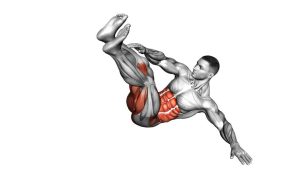
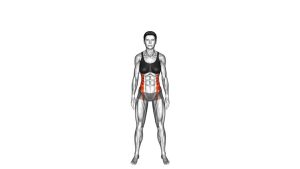
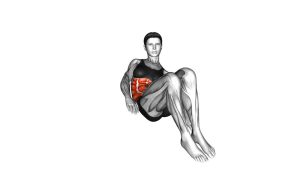
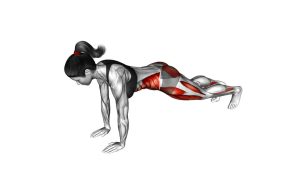
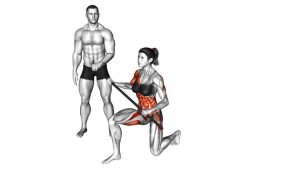
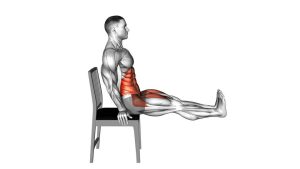
This movement works best when the body stays lifted and coordinated. Start in a crab position with your hands behind you, feet flat, knees bent, and hips slightly elevated. From there, lift one hand and the opposite foot at the same time. Rotate through your trunk, reach toward the toes, then return under control before switching sides.
The exercise should feel athletic but smooth. Your core creates the twist, your shoulders support your body, and your hips help keep the base stable. Although the toe touch is the visible target, the real benefit comes from controlling the rotation without rushing or dropping into the floor.
Quick Overview
| Body Part | Core |
|---|---|
| Primary Muscle | Obliques |
| Secondary Muscle | Rectus abdominis, shoulders, triceps, glutes, hip flexors, hamstrings |
| Equipment | Bodyweight only; optional exercise mat |
| Difficulty | Intermediate because it requires balance, shoulder support, hip control, and cross-body coordination |
Sets & Reps (By Goal)
- Core activation: 2 sets × 6–8 reps per side with a slow, controlled pace.
- Bodyweight strength: 3–4 sets × 8–12 reps per side with 45–75 seconds of rest.
- Conditioning finisher: 3 rounds × 30–45 seconds, alternating sides without rushing.
- Coordination and mobility: 2–3 sets × 5–8 reps per side, focusing on clean reach mechanics.
- Beginner progression: 2 sets × 4–6 reps per side with hips lower and smaller leg lifts.
Progression rule: Improve control before increasing speed. Add reps only when you can keep the hips lifted, shoulders stable, and toe touch smooth on both sides.
Setup / Starting Position
- Sit on the floor: Bend your knees, place your feet flat, and keep them around hip-width apart.
- Place your hands behind you: Set your palms on the floor with your fingers pointing slightly outward or back, depending on wrist comfort.
- Lift into crab position: Press through your hands and feet until your hips hover above the floor.
- Open the chest: Keep your shoulders pulled gently back while avoiding an aggressive arch in the lower back.
- Brace the core: Tighten your midsection lightly so your torso stays controlled before the twist begins.
- Set your gaze: Look forward or slightly upward. Keep your neck relaxed and avoid throwing the head back.
Your starting position should feel stable before you move. If your wrists feel uncomfortable, turn your hands slightly outward or reduce the amount of weight placed through your arms.
Execution (Step-by-Step)
- Begin in the crab hold: Keep both hands and both feet connected to the floor while your hips stay lightly elevated.
- Shift weight with control: Move enough weight into one hand and the opposite foot to free the other hand and leg.
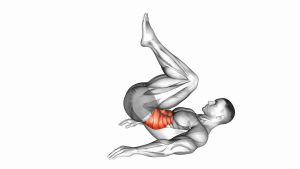
- Lift the opposite leg: Extend or raise one leg as the opposite arm leaves the floor.
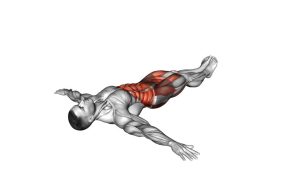
- Rotate across the body: Turn your torso and reach your hand toward the opposite toes.
- Touch or aim toward the foot: Make the reach controlled. A clean near-touch is better than a sloppy forced touch.
- Keep the hips active: Do not let the hips crash down as you rotate.
- Return slowly: Lower the leg and place the hand back on the floor with control.
- Reset your base: Rebuild the crab position before repeating on the opposite side.
Pro Tips & Common Mistakes
- Keep the hips lifted: A small hip drop is normal, but collapsing removes tension from the core and glutes.
- Reach across, not just upward: The opposite-hand-to-opposite-foot pattern creates the rotational core demand.
- Control the landing: Place your hand and foot down softly instead of dropping back into the floor.
- Avoid rushing: Fast reps often turn this into a loose kicking motion instead of a core exercise.
- Protect the wrists: Spread the fingers, press through the palm, and rotate the hands slightly if needed.
- Do not shrug: Keep the shoulders strong but not jammed toward the ears.
- Use a smaller range first: Beginners can lift the leg lower and reach toward the shin instead of the toes.
- Stay balanced between sides: Perform the same number of reps on the right and left to maintain symmetry.
FAQ
What muscles does the Crab Twist Toe Touch work?
It mainly targets the obliques because the torso rotates across the body. The rectus abdominis, shoulders, triceps, glutes, hip flexors, and hamstrings also assist during the lift, reach, and return.
Is the Crab Twist Toe Touch good for abs?
Yes. It is especially useful for training rotational core strength and coordination. It does not isolate the abs like a crunch, but it challenges the core in a more athletic, full-body pattern.
Why do my wrists hurt during this exercise?
Wrist discomfort often happens when too much pressure sits in the heel of the hand or when the wrist angle is too aggressive. Try turning your fingers slightly outward, spreading the fingers, or using push-up handles for a more neutral wrist position.
Should my hips stay high the entire time?
Your hips should stay active and lifted, although a slight drop may happen during the twist. Avoid letting the hips fully collapse because that reduces core tension and makes the movement less controlled.
Can beginners do the Crab Twist Toe Touch?
Beginners can use a modified version. Keep the hips lower, lift the leg only slightly, and reach toward the knee or shin instead of the toes. Progress toward the full toe touch once balance improves.
How can I make this exercise harder?
Slow down the tempo, pause briefly at the toe touch, keep the hips higher, or perform longer sets. You can also add the movement to a bodyweight circuit after planks, mountain climbers, or crab walks.
Recommended Equipment (Optional)
- Exercise Mat — adds floor comfort and helps reduce pressure on the hands and feet.
- Push-Up Handles — useful if your wrists feel uncomfortable in the crab position.
- Workout Wrist Wraps — provide light wrist support during bodyweight floor exercises.
- Exercise Sliders — helpful for related core progressions, controlled leg movements, and mobility drills.
- Resistance Bands Set — useful for warming up shoulders, glutes, and upper back before dynamic core work.
Equipment is optional. The main priority is clean movement, stable shoulders, controlled rotation, and smooth breathing.