Weighted Decline Crunch: Proper Form, Sets, Benefits & Tips
Learn how to do the Weighted Decline Crunch with safe form, core control, sets by goal, common mistakes, FAQs, and recommended equipment.
Weighted Decline Crunch
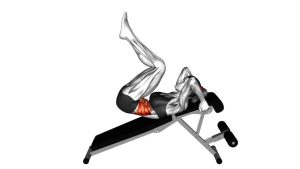
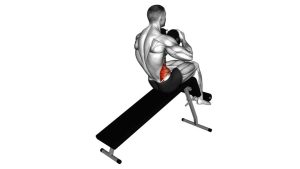
This exercise works best when every repetition is slow, deliberate, and controlled. Because the bench places your body at a decline, your abs must work harder against gravity. In addition, the added weight increases resistance, which makes the movement more effective for core strength and abdominal hypertrophy. However, more load is not always better. Good form, clean spinal flexion, and steady breathing are more important than using a heavy plate too early.
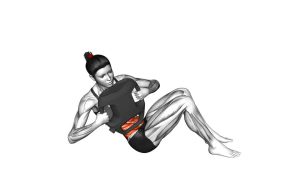
During the movement, the upper back lifts from the bench first. Then, the rib cage curls toward the pelvis as the abs contract. The weight should stay stable, close to the upper chest or held securely near the torso. Meanwhile, the hips should stay anchored, and the legs should remain fixed under the bench pads. This keeps the effort focused on the abdominal muscles instead of turning the exercise into a hip-flexor-dominant sit-up.
Quick Overview
| Body Part | Core |
|---|---|
| Primary Muscle | Rectus abdominis |
| Secondary Muscle | Obliques, deep core stabilizers, hip flexors as secondary support |
| Equipment | Decline bench and weight plate, dumbbell, or medicine ball |
| Difficulty | Intermediate to advanced |
Sets & Reps (By Goal)
- Core strength: 3–5 sets × 6–10 reps using a moderate-to-heavy weight with slow control.
- Ab hypertrophy: 3–4 sets × 8–15 reps with a 2–3 second lowering phase.
- Muscle endurance: 2–4 sets × 15–20 reps using light resistance or bodyweight only.
- Beginner progression: 2–3 sets × 8–12 bodyweight decline crunches before adding weight.
- Finisher option: 1–2 sets near technical fatigue, stopping before form breaks down.
Progression rule: First improve range, control, and tempo. After that, increase load gradually by using a slightly heavier plate or adding a small number of reps.
Setup / Starting Position
- Set the decline bench: Choose a moderate decline angle. A steeper angle makes the exercise harder, so avoid starting too aggressively.
- Secure your legs: Place your feet or lower legs firmly under the bench pads. This gives you stability without forcing the hips to dominate the movement.
- Lie back with control: Lower your torso onto the bench and keep your head, shoulders, and back supported before the first rep.
- Hold the weight safely: Keep a plate, dumbbell, or medicine ball close to the chest. Do not hold heavy weight far behind the head unless you have excellent control.
- Brace the core: Gently tighten the abs before moving. Keep the ribs down and avoid arching hard through the lower back.
- Position the neck: Keep your chin slightly tucked and your neck relaxed. Your hands and the weight should not pull your head forward.
A good starting position should feel stable, supported, and controlled. If you feel pressure in the lower back before the first rep, reduce the decline angle or remove the weight.
Execution (Step-by-Step)
- Brace before lifting: Take a controlled breath and gently tighten your abdominal wall.
- Start with the upper back: Lift the head and shoulders from the bench by curling the ribs toward the pelvis.
- Crunch, don’t sit up: Keep the movement short and focused. Your goal is abdominal flexion, not pulling your entire torso upright.
- Keep the weight stable: Hold the weight close to your chest so it adds resistance without swinging or pulling you forward.
- Squeeze at the top: Pause briefly when the abs are fully contracted. Exhale gently during this phase.
- Lower slowly: Return to the bench under control. Let the spine extend gradually instead of dropping back quickly.
- Reset with tension: Touch down lightly, keep the core engaged, and begin the next rep without bouncing.
Pro Tips & Common Mistakes
Pro Tips
- Think ribs to pelvis: This cue keeps the movement focused on the abs instead of the hips.
- Use a controlled tempo: Lift in 1–2 seconds, pause briefly, then lower in 2–3 seconds.
- Keep the load close: Holding the weight near your chest makes the exercise safer and easier to control.
- Exhale during the crunch: A strong exhale helps the abs contract more effectively.
- Stop before compensation: End the set when your form changes, even if you could force more reps.
Common Mistakes
- Turning it into a sit-up: Coming all the way up often shifts work to the hip flexors.
- Swinging the weight: Momentum reduces ab tension and increases injury risk.
- Pulling the neck: The neck should stay relaxed while the abs create the movement.
- Using too much weight: Heavy loading with poor control can stress the spine and reduce quality.
- Dropping into the bottom: A fast descent removes tension and may irritate the lower back.
- Overarching between reps: Keep the ribs controlled so the lower back does not take over.
FAQ
What muscles does the Weighted Decline Crunch work?
The Weighted Decline Crunch mainly targets the rectus abdominis, which is the front abdominal muscle responsible for spinal flexion. The obliques and deep core muscles also assist with control and stability.
Is the Weighted Decline Crunch better than a regular crunch?
It is harder than a regular floor crunch because the decline angle increases resistance. In addition, the added weight allows progressive overload. However, it is only better if you can perform it with strict form and no lower-back discomfort.
Should I hold the weight on my chest or behind my head?
Holding the weight on your chest is usually safer and easier to control. Holding it behind the head increases difficulty, but it can also create neck strain if you pull or lose control.
How heavy should I go on Weighted Decline Crunches?
Start light. Use a weight that lets you complete every rep slowly without swinging, yanking, or turning the movement into a sit-up. Once your form is consistent, increase resistance gradually.
Can beginners do this exercise?
Beginners should first master bodyweight crunches, then bodyweight decline crunches. After they can control the movement well, they can add a light plate or dumbbell.
Why do I feel this exercise in my hip flexors?
You may be sitting up too high or pulling with the legs. Shorten the range, focus on curling the ribs toward the pelvis, and avoid using momentum from the lower body.
Can Weighted Decline Crunches build visible abs?
Yes, they can help build abdominal muscle size and strength. However, visible abs also depend on overall body fat level, nutrition, training consistency, and recovery.
Recommended Equipment
- Adjustable Decline Bench — the main equipment needed for controlled decline crunches and weighted ab work.
- Weight Plate Set — useful for progressive overload when holding resistance against the chest.
- Rubber-Coated Dumbbell — an alternative to a plate for controlled weighted crunch variations.
- Medicine Ball — helpful for light-to-moderate resistance and core training variety.
- Thick Exercise Mat — useful for warm-ups, bodyweight crunches, and floor-based ab progressions.
Choose equipment that lets you train with control. For this exercise, a stable bench and manageable resistance matter more than heavy loading.