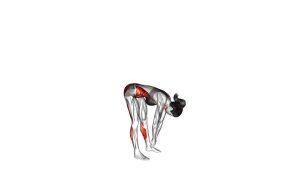
Two Front Toe Touching: Form, Benefits, Sets, Tips & FAQ
Learn Two Front Toe Touching for core control, hamstring mobility, balance, and cardio warm-ups with step-by-step form, tips, FAQs, and gear.
Two Front Toe Touching
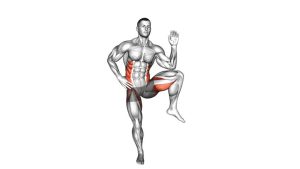
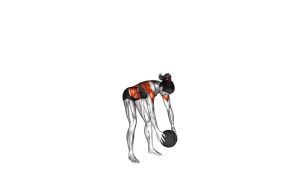
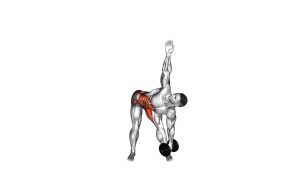
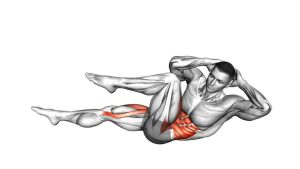
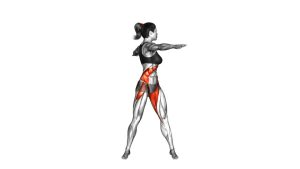
Two Front Toe Touching is best performed with a controlled pace instead of a fast, careless swing. The goal is to raise the leg with balance, hinge slightly from the hips, and reach toward the toes without collapsing the chest or rounding the lower back aggressively. Because the movement alternates from side to side, it also trains coordination between the upper body and lower body. When done correctly, it feels light, rhythmic, and athletic.
This exercise is especially useful for beginners because it requires no equipment and can be adjusted easily. You can keep the leg lower for comfort, slow the tempo for balance, or increase the rhythm when using it as a cardio warm-up. The movement should feel active through the abs, hip flexors, and hamstrings, while the standing leg provides stability.
Quick Overview
| Body Part | Core, Hamstrings, Cardio |
|---|---|
| Primary Muscle | Core muscles, especially rectus abdominis and obliques |
| Secondary Muscle | Hip flexors, hamstrings, glutes, calves, and balance stabilizers |
| Equipment | No equipment required |
| Difficulty | Beginner-friendly |
Sets & Reps (By Goal)
- Warm-up: 2–3 sets × 20–30 total reps at a smooth, controlled pace.
- Mobility practice: 2–4 sets × 10–16 total reps with a slower reach and better control.
- Low-impact cardio: 3–5 rounds × 30–45 seconds with 30–45 seconds rest.
- Coordination and balance: 2–3 sets × 8–12 reps per side with a short pause at the top.
- Beginner home workout: 2 sets × 15–20 total reps before bodyweight training.
Progression rule: Improve control before increasing speed. First, keep the leg lift clean. Next, increase the range slightly. After that, add time or reps if your balance remains steady.
Setup / Starting Position
- Stand tall: Place your feet about hip-width apart and keep your weight balanced evenly.
- Set your posture: Lift the chest gently, keep the ribs stacked, and relax the shoulders.
- Brace lightly: Engage your core as if preparing for a controlled standing movement.
- Position the arms: Let your arms hang naturally or raise them slightly in front of the body.
- Look forward: Keep your head neutral instead of looking down the entire time.
- Prepare to alternate: Plan to reach the opposite hand toward the lifted foot on each rep.
If your balance feels unstable, perform the movement near a wall or sturdy surface. Use support only when needed, and avoid leaning heavily into it.
Execution (Step-by-Step)
- Start from a tall stance: Keep your feet grounded, spine neutral, and core lightly engaged.
- Lift one leg forward: Raise the right leg in front of your body with the knee mostly straight or slightly bent, depending on your mobility.
- Reach with the opposite hand: Bring the left hand toward the right toes while hinging slightly from the hips.
- Touch or reach near the toes: A perfect touch is not required. The goal is controlled movement, not forced range.
- Return to standing: Lower the leg smoothly and bring the torso back upright.
- Switch sides: Lift the left leg forward and reach the right hand toward the left toes.
- Continue alternating: Keep the rhythm steady while maintaining balance, posture, and breathing.
Pro Tips & Common Mistakes
Pro Tips
- Use a light core brace: This keeps your torso stable as each leg lifts.
- Keep the leg controlled: Lift the leg instead of kicking it aggressively.
- Reach across the body: The opposite-hand reach improves coordination and oblique activation.
- Stay tall between reps: Reset your posture before switching sides.
- Breathe naturally: Exhale during the reach and inhale as you return to standing.
- Adjust the range: Touch the shin or ankle if your toes are too far away.
Common Mistakes
- Rounding too much: Excessive spinal rounding reduces control and may irritate the lower back.
- Swinging the leg: Momentum makes the drill less effective for balance and core control.
- Locking the standing knee: Keep a soft knee to improve stability.
- Looking down constantly: This can pull the posture forward and make balance harder.
- Rushing the reps: Speed should never replace clean movement quality.
- Forcing the toe touch: A controlled near-touch is better than a strained reach.
FAQ
What is Two Front Toe Touching good for?
Two Front Toe Touching is useful for warming up the body, improving hamstring mobility, training balance, and activating the core. It also adds a light cardio effect when performed continuously.
Is Two Front Toe Touching a core exercise?
Yes. Although the legs move actively, the core helps stabilize the torso during each alternating reach. The obliques also assist because the movement crosses the body from hand to opposite foot.
Do I need to touch my toes every rep?
No. Touching the toes is not required. You can reach toward the shin, ankle, or foot depending on your flexibility. Good control is more important than maximum range.
Can beginners do this exercise?
Yes. Beginners can perform this exercise with a smaller leg lift, slower tempo, and slight knee bend. If balance is difficult, practice near a wall until the movement feels stable.
Should I use this before or after a workout?
It works best before a workout as part of a dynamic warm-up. You can also use it during a low-impact cardio circuit or as a quick mobility drill during the day.
Why do I feel it in my hamstrings?
The hamstrings lengthen as the leg lifts forward and the torso reaches toward the toes. Keep the range comfortable and avoid forcing the stretch.
Recommended Equipment (Optional)
- Exercise Mat — useful for warm-ups, mobility drills, stretching, and floor-based core exercises.
- Non-Slip Workout Shoes — helps improve grip and balance during standing dynamic movements.
- Resistance Bands Set — great for pairing with warm-up drills, glute activation, and mobility routines.
- Foam Roller — helpful for preparing the hamstrings, calves, quads, and upper back before training.
- Fitness Interval Timer — useful for timed warm-up rounds, cardio circuits, and home workout sessions.
Tip: You do not need equipment to perform Two Front Toe Touching. These tools simply support better comfort, timing, grip, and full-body warm-up quality.