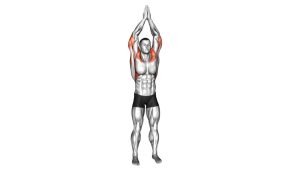
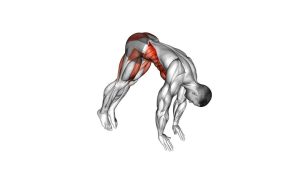
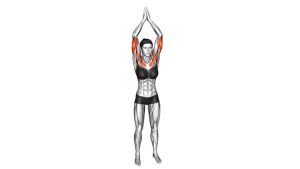
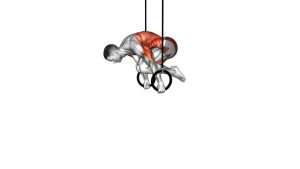
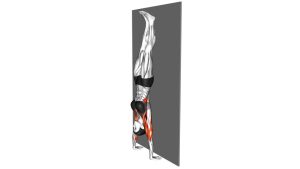
Full Planche: Form, Progressions, Muscles Worked, Sets & Tips
Learn the Full Planche with proper form, body alignment, strength cues, sets, progressions, common mistakes, FAQs, and planche equipment.
Full Planche
The full planche is not only a core exercise. It is a full-body calisthenics skill that combines straight-arm strength, shoulder stability, wrist tolerance, trunk control, and lower-body tension. During the movement, the chest, front delts, triceps, serratus anterior, abdominals, hip flexors, glutes, quads, and spinal stabilizers all work together to keep the body floating in a clean line. However, the most important technical point is control. A strong full planche should look quiet, stable, and deliberate rather than rushed or shaky.
Quick Overview
| Body Part | Plyometrics |
|---|---|
| Primary Muscle | Anterior deltoids, chest, triceps, serratus anterior, and core |
| Secondary Muscle | Glutes, quads, hip flexors, forearms, wrists, upper back stabilizers, and lower back stabilizers |
| Equipment | Bodyweight only; optional parallettes, resistance bands, wrist wraps, mat, or gymnastic rings |
| Difficulty | Advanced to elite |
Sets & Reps (By Goal)
- Skill practice: 4–6 sets × 3–8 second holds with 90–180 seconds rest.
- Strength building: 3–5 sets × 2–5 controlled attempts with 2–3 minutes rest.
- Planche progression work: 4–6 sets × 5–12 seconds using tuck, advanced tuck, straddle, or band-assisted variations.
- Dynamic control: 3–5 sets × 2–5 tuck-to-extension reps with slow movement and perfect body tension.
- Accessory finisher: 2–3 sets × 8–12 planche leans, pseudo planche push-ups, or scapular protraction holds.
Progression rule: Increase hold quality before increasing hold time. A clean 5-second full planche is more valuable than a longer hold with bent elbows, sagging hips, or collapsed shoulders.
Setup / Starting Position
- Place your hands firmly: Set your hands slightly wider than shoulder-width on the floor or on parallettes. Spread the fingers if using the floor.
- Lock the elbows: Straighten the arms fully before lifting. Keep the elbow pits slightly rotated forward to create stable straight-arm tension.
- Protract the shoulders: Push the floor away and round the upper back slightly. This helps the serratus anterior support the position.
- Lean forward: Shift the shoulders in front of the hands. The farther your legs extend, the more forward lean you need.
- Brace the core: Pull the ribs down, tighten the abs, and avoid letting the lower back arch.
- Squeeze the lower body: Keep the glutes, quads, and calves active. Point the toes to create one long body line.
Tip: Parallettes can reduce wrist extension and make the position more comfortable, especially during long planche practice sessions.
Execution (Step-by-Step)
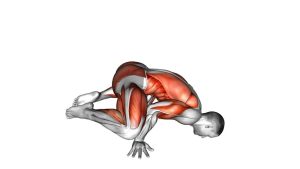
- Begin from a strong tuck: Start in a tuck planche or compact planche position with knees close to the chest and arms locked.
- Create the shoulder lean first: Move the shoulders forward before extending the legs. This keeps the center of mass balanced over the hands.
- Extend the hips slowly: Open the hips and begin sending the legs backward. Keep the abs tight so the lower back does not sag.
- Straighten the knees: Lengthen both legs behind you while keeping the glutes and quads squeezed.
- Hold the full planche: Keep the body parallel to the floor. Maintain locked elbows, protracted shoulders, hollow-body tension, and pointed toes.
- Breathe with control: Use short, calm breaths without losing abdominal pressure.
- Return under control: Bend the knees, bring the body back into a tuck, and avoid dropping the hips or collapsing through the shoulders.
Pro Tips & Common Mistakes
- Push the floor away: A collapsed upper back makes the planche much harder and less stable.
- Keep elbows locked: Bent elbows turn the skill into a different strength pattern and reduce straight-arm development.
- Lean before lifting: Without enough forward lean, the legs will drop immediately.
- Avoid banana-back position: Keep ribs down, abs tight, and glutes squeezed to prevent lumbar extension.
- Do not rush progression: Move from tuck to advanced tuck, then straddle, then full planche only when each stage is controlled.
- Train wrists consistently: Wrist discomfort often limits planche work before shoulder strength does.
- Use bands wisely: Band assistance can help you feel the full position, but it should not replace strict strength holds.
- Rest enough: Planche work is nervous-system demanding. Quality drops quickly when fatigue builds.
FAQ
What muscles does the full planche work?
The full planche mainly works the anterior deltoids, chest, triceps, serratus anterior, and core. It also uses the glutes, quads, hip flexors, forearms, wrists, and spinal stabilizers to maintain a rigid body line.
Is the full planche a beginner exercise?
No. The full planche is an advanced calisthenics skill. Beginners should start with planche leans, frog stands, tuck planche holds, scapular protraction drills, pseudo planche push-ups, and wrist conditioning.
How long should I hold a full planche?
For quality training, short holds of 3–8 seconds are enough. Once your position is stable, you can gradually build toward 10–15 seconds. However, clean alignment should always come before longer hold time.
Why do my hips drop during the full planche?
Dropping hips usually means you need more shoulder lean, stronger core tension, better glute engagement, or an easier progression. Return to a tuck, advanced tuck, or straddle variation until the body line becomes consistent.
Should I train full planche every day?
Most lifters should not train hard full planche attempts every day because the wrists, elbows, shoulders, and nervous system need recovery. Skill practice can be frequent, but intense holds are usually better 2–4 times per week.
Recommended Equipment
- Calisthenics Parallettes — reduce wrist strain and help you practice planche holds with a stronger grip.
- Resistance Bands for Calisthenics — useful for band-assisted planche holds and progressive skill practice.
- Wrist Wraps — provide extra support during high-load straight-arm training.
- Gymnastics Training Mat — adds comfort and safety during attempts, exits, and progression work.
- Gymnastic Rings — excellent for advanced straight-arm strength, support holds, and accessory calisthenics work.
Tip: For most athletes, parallettes and resistance bands are the most useful planche tools because they improve comfort, allow better wrist positioning, and make progression training easier to control.