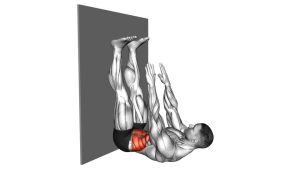
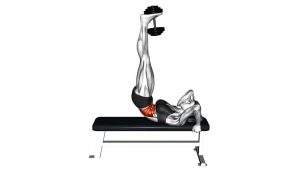
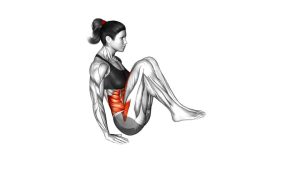
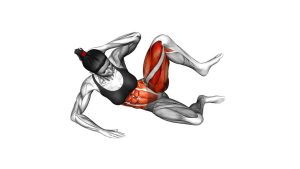
Dumbbell Straight-Arm Twisting Sit-Up: Core Form, Sets, Tips & FAQ
Build stronger abs and obliques with the Dumbbell Straight-Arm Twisting Sit-Up. Learn safe form, sets, setup, common mistakes, and equipment tips.
Dumbbell Straight-Arm Twisting Sit-Up
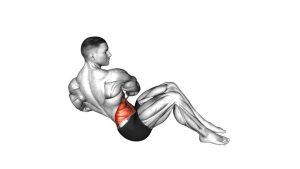
This exercise works best when the movement stays smooth, controlled, and intentional. Instead of swinging the dumbbell forward, the goal is to keep the arms long while the torso rises and rotates under control. Therefore, the core should create the sit-up and twist, while the shoulders simply stabilize the weight.
Since the dumbbell increases leverage, this variation is more demanding than a regular sit-up. For that reason, start with a light dumbbell and focus on clean reps before increasing load. Additionally, keep the rotation controlled so the twist comes from the trunk rather than from yanking the arms across the body.
Quick Overview
| Body Part | Core |
|---|---|
| Primary Muscle | Rectus abdominis |
| Secondary Muscle | Obliques, hip flexors, transverse abdominis, shoulder stabilizers |
| Equipment | Dumbbell and exercise mat |
| Difficulty | Intermediate |
Sets & Reps (By Goal)
- Core strength: 3–4 sets × 6–10 reps per side with a light-to-moderate dumbbell.
- Oblique control: 2–3 sets × 8–12 alternating reps with a slower twist at the top.
- Muscle endurance: 2–4 sets × 12–16 total reps using a very light dumbbell.
- Technique practice: 2 sets × 6–8 total reps while focusing on smooth sit-up mechanics.
Progression rule: First improve control, then add reps, and only increase dumbbell weight when your arms stay straight and your lower back stays comfortable.
Setup / Starting Position
- Lie on your back: Start on an exercise mat with your torso flat and your legs positioned comfortably.
- Hold the dumbbell securely: Grip one dumbbell with both hands and extend your arms straight above your chest.
- Set your shoulders: Keep the shoulders packed and stable so the dumbbell does not wobble.
- Brace your core: Lightly tighten the abs before you begin the sit-up.
- Keep the arms long: Maintain straight elbows without locking aggressively or shrugging.
Use a dumbbell that you can control without swinging. If the weight pulls your shoulders forward or makes your reps jerky, reduce the load.
Execution (Step-by-Step)
- Brace first: Tighten your abs gently and keep the dumbbell steady above your chest.
- Begin the sit-up: Lift your head, shoulders, and upper back from the floor in a controlled motion.
- Keep the arms straight: Let the dumbbell travel with your torso instead of swinging it forward.
- Rise toward the top: Continue sitting up until your torso reaches a strong upright position.
- Rotate the torso: Twist to one side at the top while keeping the dumbbell aligned with your straight arms.
- Pause briefly: Hold the rotated position for a moment and squeeze the abs and obliques.
- Return with control: Untwist slowly, then lower your torso back to the floor without collapsing.
- Alternate sides: Perform the next repetition by rotating to the opposite side.
Pro Tips & Common Mistakes
- Use a light dumbbell first: This movement becomes difficult quickly because the arms stay extended.
- Rotate from the torso: Do not simply move the dumbbell side to side with your arms.
- Control the lowering phase: Lower slowly so your abs stay engaged and your back does not slam into the floor.
- Avoid pulling with the neck: Keep your chin neutral and let your abs lift your torso.
- Do not rush the twist: Pause briefly at the top so the obliques actually control the rotation.
- Keep the elbows straight: Bent elbows reduce the straight-arm challenge and may shift tension away from the core.
- Watch the lower back: If your lower back arches hard or feels strained, reduce the range, lower the weight, or choose an easier core exercise.
FAQ
What muscles does the Dumbbell Straight-Arm Twisting Sit-Up work?
It mainly targets the rectus abdominis during the sit-up portion. Additionally, the obliques work hard during the twist, while the shoulders stabilize the dumbbell overhead.
Is this exercise good for obliques?
Yes. Because the torso rotates at the top of the sit-up, the obliques help control the twist. However, the rotation should come from the trunk, not from swinging the arms.
Should beginners do this exercise?
Beginners should usually master bodyweight sit-ups, crunches, dead bugs, and basic twisting core drills first. After that, they can try this exercise with a very light dumbbell.
How heavy should the dumbbell be?
Start light. A dumbbell that feels easy during regular exercises may feel much harder here because your arms stay extended. Choose a weight that allows smooth reps without shoulder strain or momentum.
Why do my hip flexors feel this more than my abs?
Hip flexors can dominate if you rush the sit-up, use too much weight, or lose abdominal tension. To fix this, slow down, brace before each rep, and focus on curling the torso up with control.
Can this exercise hurt my lower back?
It can bother the lower back if performed with too much weight, excessive speed, or poor control. Therefore, keep the reps slow, use a manageable dumbbell, and stop if your lower back feels strained.
Recommended Equipment
- Hex Dumbbell Set — useful for gradually progressing weighted core exercises.
- Adjustable Dumbbell — saves space and allows small weight increases as your control improves.
- Thick Exercise Mat — cushions the spine and hips during floor-based sit-up variations.
- Non-Slip Yoga Mat — helps keep your body stable while rotating and lowering with control.
- Ab Workout Bench — optional tool for advanced core training progressions.
Tip: For this exercise, control matters more than load. Choose equipment that helps you move smoothly, safely, and consistently.