Cobra Side Ab Stretch: Form, Benefits, Tips & FAQ
Learn the Cobra Side Ab Stretch to improve abdominal, oblique, and hip flexor mobility with safe setup, step-by-step form, tips, FAQs, and gear.
Cobra Side Ab Stretch
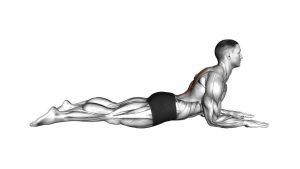
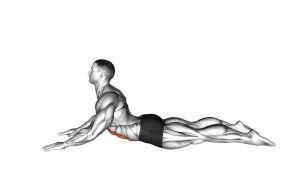
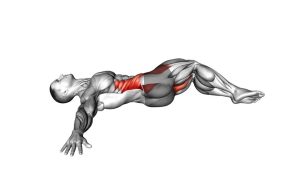
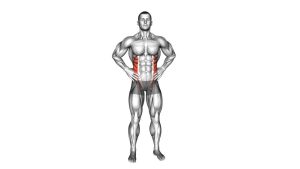
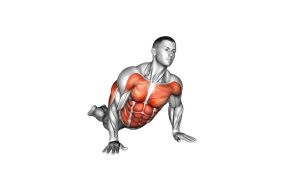
This stretch starts from a face-down position with the hands placed near the shoulders. Then, the chest lifts as the arms press into the floor. After that, the torso rotates slightly to one side while the hips remain grounded. Because the movement combines extension and rotation, control matters more than range.
Quick Overview
| Body Part | Core |
|---|---|
| Primary Muscle | Obliques and rectus abdominis |
| Secondary Muscle | Hip flexors, spinal erectors, shoulders, triceps, and glutes |
| Equipment | Bodyweight only; optional exercise mat |
| Difficulty | Beginner to intermediate, depending on spinal mobility |
Sets & Reps (By Goal)
- General mobility: 2–3 sets × 6–10 slow reps per side
- Post-workout stretching: 2–3 rounds × 15–30 seconds per side
- Warm-up preparation: 1–2 sets × 5–8 controlled reps per side
- Core flexibility focus: 2–4 sets × 20–40 seconds per side with easy breathing
Progression rule: First increase control and breathing quality. Then, if your back feels comfortable, increase the hold time slightly before trying a deeper rotation.
Setup / Starting Position
- Lie face down: Extend both legs behind you and keep the tops of the feet relaxed on the floor.
- Place the hands under the shoulders: Keep the elbows bent and close enough to press smoothly.
- Set the lower body: Let the hips stay grounded so the stretch comes through the front body.
- Prepare the upper body: Keep the shoulders away from the ears before pressing up.
- Start gently: Lift only as high as your spine allows without pinching or strain.
Execution (Step-by-Step)
- Press the floor: Push through both hands and slowly lift the chest into a cobra position.
- Lengthen the front body: Keep the abdomen long as the chest rises.
- Keep the hips grounded: Avoid lifting the pelvis off the floor during the press-up.
- Rotate to one side: Turn the torso slightly so one side of the abdomen and obliques lengthens more.
- Pause and breathe: Hold the rotated position briefly while staying relaxed through the shoulders.
- Return with control: Come back toward center before repeating or rotating to the opposite side.
- Lower smoothly: Bend the elbows and return the chest toward the floor when the set is complete.
Pro Tips & Common Mistakes
- Use the arms for support: The hands help lift the chest, but they should not force the spine into an aggressive arch.
- Keep the rotation moderate: A small twist is enough to bias the obliques.
- Do not rush: Move slowly so the stretch stays controlled from start to finish.
- Avoid shoulder shrugging: Keep the shoulders down and wide while pressing into the floor.
- Do not lift the hips: Grounded hips help maintain the intended abdominal and hip flexor stretch.
- Breathe calmly: Exhale gently into the side stretch instead of holding your breath.
- Reduce range if needed: If your lower back feels tight, press up less and rotate less.
FAQ
What muscles does the Cobra Side Ab Stretch target?
It mainly stretches the abdominals and obliques. Additionally, it can lengthen the hip flexors while the shoulders, triceps, spinal erectors, and glutes help support the position.
Should my hips stay on the floor?
Yes. In the visible movement, the hips stay mostly grounded. This helps keep the stretch focused through the front body and prevents the exercise from turning into a high plank or upward-dog style position.
Is the rotation supposed to be big?
No. The rotation should be controlled and moderate. A smaller twist is usually safer and more effective, especially when the spine is already extended.
Can beginners do this exercise?
Many beginners can do it if they use a small range of motion. However, beginners should avoid forcing the backbend or twisting aggressively.
When should I use the Cobra Side Ab Stretch?
It works well after core training, after sitting for long periods, or during a mobility routine. However, use a gentler version during warm-ups so the spine stays comfortable.
What should I do if I feel lower back pressure?
Lower the chest, reduce the rotation, and keep the movement smaller. If discomfort continues, stop the exercise and choose a gentler abdominal stretch.
Recommended Equipment
- Exercise Mat — adds comfort for the hips, ribs, and hands during prone stretching
- Yoga Blocks — useful for modifying hand height and reducing pressure on the lower back
- Yoga Stretching Strap — helpful for pairing this stretch with hip flexor and full-body mobility work
- Foam Roller — supports warm-up mobility for the upper back, hips, and core area
- Resistance Bands Set — useful for adding upper-back activation after stretching the front body
Tip: Equipment is optional for this exercise. However, a soft mat can make the position more comfortable, especially when the hips and lower ribs stay in contact with the floor.