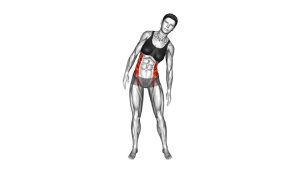
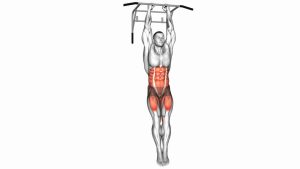
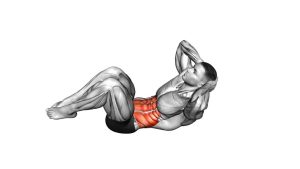
Side Plank Pull: Core Rotation, Oblique Strength, Form & Tips
Learn the Side Plank Pull for stronger obliques, core control, shoulder stability, and rotation strength with setup, steps, mistakes, FAQs, and gear.
Side Plank Pull
This exercise is excellent for training the obliques, deep core stabilizers, and shoulder support muscles. Because the body moves from a front plank into a side plank, the core must resist collapse, control rotation, and stabilize the hips. Therefore, clean form matters more than speed.
Quick Overview
| Body Part | Core |
|---|---|
| Primary Muscle | Obliques |
| Secondary Muscle | Rectus abdominis, transverse abdominis, shoulders, chest, glutes |
| Equipment | None; optional exercise mat |
| Difficulty | Intermediate |
Sets & Reps (By Goal)
- Core control: 2–3 sets × 6–8 reps per side with slow rotation.
- Oblique strength: 3–4 sets × 8–12 reps per side with a brief side-plank pause.
- Stability endurance: 2–3 sets × 30–45 seconds alternating sides.
- Warm-up activation: 1–2 sets × 5–6 controlled reps per side.
Progression rule: First improve control, then increase reps. After that, add a longer pause in the side plank position.
Setup / Starting Position
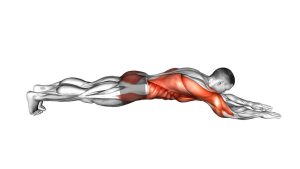
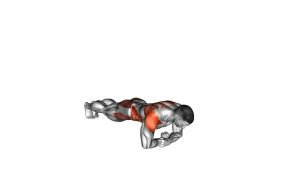
- Start in a high plank: Place both hands under the shoulders and extend both legs behind you.
- Brace the core: Keep the ribs down, hips level, and spine long.
- Set the feet: Keep the feet extended behind you with enough space to rotate smoothly.
- Press the floor away: Keep the supporting shoulder active instead of sinking into it.
- Prepare to rotate: Keep your movement slow before pulling the arm and turning into the side plank.
Execution (Step-by-Step)
- Begin in high plank: Keep both arms straight and your body aligned from head to heels.
- Shift weight into one hand: Press firmly through the support arm while keeping the shoulder stable.
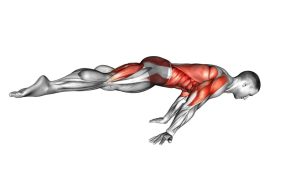
- Pull and rotate: Move the opposite arm under or across the torso as the chest begins to turn.
- Open into side plank: Rotate the hips and shoulders until the body faces sideways.
- Stack the body: Keep the support hand under the shoulder and maintain a straight line through the body.
- Pause briefly: Hold the side plank position while keeping the waist lifted.
- Return with control: Rotate back toward the floor and return to the starting high plank position.
- Repeat: Perform all reps on one side or alternate sides depending on your workout goal.
Pro Tips & Common Mistakes
- Move slowly: This exercise is not a fast twist. Instead, rotate with control so the obliques stay engaged.
- Keep the support shoulder strong: Do not let the shoulder collapse toward the ear.
- Avoid hip sagging: Lift through the side waist as you enter the side plank.
- Do not over-rotate: Turn only as far as you can control without losing alignment.
- Keep the neck neutral: Avoid dropping the head or looking too far upward.
- Control the return: The return to plank should be as smooth as the opening rotation.
- Use a mat if needed: A stable surface helps protect the hands and improves comfort.
FAQ
What muscles does the Side Plank Pull work?
The Side Plank Pull mainly works the obliques. It also trains the deep core, shoulders, chest, and glutes because the body must stay stable while rotating.
Is the Side Plank Pull beginner-friendly?
It is better for intermediate trainees. However, beginners can build toward it by practicing high planks, side planks, and slow plank rotations first.
Should I do this exercise fast or slow?
Perform it slowly. A controlled tempo helps the core stabilize the body and prevents the hips or shoulders from twisting too aggressively.
Why do my hips drop during the movement?
Hip dropping usually means the core, glutes, or shoulder stabilizers are not holding the position well enough. Reduce reps, shorten the range, or pause in a regular side plank.
Can I use equipment with the Side Plank Pull?
Yes. The basic version uses bodyweight only. However, an exercise mat, push-up handles, or resistance bands can make training more comfortable or progressive.
Recommended Equipment
- Non-Slip Exercise Mat — improves hand comfort and gives better floor grip during plank transitions.
- Push-Up Handles — may reduce wrist strain and help keep the support hand stable.
- Resistance Bands Set — useful for adding upper-back and shoulder stability work after core training.
- Core Sliders — helpful for advanced plank variations and dynamic core progressions.
- Yoga Blocks — useful for modified plank drills, mobility work, and controlled core progressions.
Tip: Choose equipment that improves control and comfort. Do not add difficulty until your basic plank and side plank positions stay clean.