Vertical Sit-Up: Proper Form, Core Benefits, Sets, Tips & FAQ
Learn the Vertical Sit-Up for stronger abs and better core control. Includes setup, step-by-step form, sets, common mistakes, FAQs, and gear.
Vertical Sit-Up
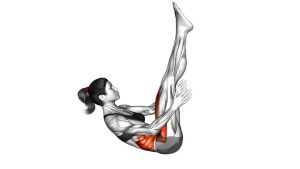
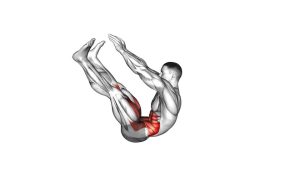
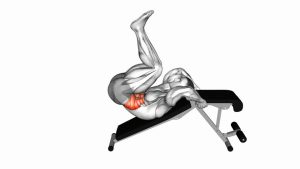
This exercise works best when the movement stays slow, clean, and controlled. Because the legs remain lifted, the core must stabilize the hips while the upper body curls upward. Therefore, the Vertical Sit-Up is useful for building abdominal strength, improving trunk control, and practicing a stricter sit-up variation without swinging the legs.
Quick Overview
| Body Part | Core |
|---|---|
| Primary Muscle | Rectus abdominis |
| Secondary Muscle | Hip flexors, transverse abdominis, obliques |
| Equipment | Bodyweight only; exercise mat optional |
| Difficulty | Beginner to intermediate |
Sets & Reps (By Goal)
- Core control: 2–3 sets × 8–12 reps with a slow tempo.
- Muscle endurance: 3–4 sets × 12–20 reps with steady breathing.
- Strength focus: 3–5 sets × 6–10 reps with a brief pause at the top.
- Beginner practice: 2 sets × 6–8 reps with a smaller range of motion.
Progression rule: First improve control, then add reps. After that, increase the pause at the top before adding external resistance.
Setup / Starting Position
- Lie on your back: Start flat on the floor with your head, shoulders, and upper back resting down.
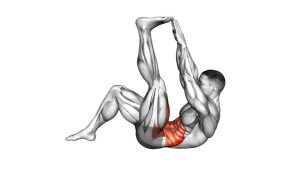
- Raise your legs: Lift both legs until they point upward in a vertical position.
- Set your hips: Keep the hips stable and avoid letting the legs swing forward or backward.
- Position your arms: Reach your arms toward your legs so they can travel toward your feet during the curl.
- Brace lightly: Tighten the abs before you move, but keep your neck and shoulders relaxed.
Execution (Step-by-Step)
- Begin from the floor: Keep the legs vertical and start with the torso fully lowered.
- Curl upward: Lift the head, shoulders, and upper back from the floor in a smooth motion.
- Reach toward the feet: Move the hands upward toward the ankles or toes without swinging the legs.
- Squeeze the abs: Pause briefly at the top while keeping the movement controlled.
- Lower slowly: Return the upper back, shoulders, and head to the floor with control.
- Reset: Keep the legs raised and repeat the next rep without bouncing.
Pro Tips & Common Mistakes
- Do not yank the neck: Lead with the ribs and upper torso instead of pulling the head forward.
- Keep the legs vertical: The exercise becomes less controlled if the legs swing with each rep.
- Use a smooth curl: Peel the upper back from the floor gradually rather than sitting up with momentum.
- Control the lowering phase: The descent builds strength, so avoid dropping back down quickly.
- Exhale as you lift: This helps the abs contract and prevents unnecessary bracing pressure.
- Reduce range if needed: If your lower back arches hard, perform a smaller curl-up.
FAQ
What muscles does the Vertical Sit-Up work?
The Vertical Sit-Up mainly targets the rectus abdominis. In addition, the hip flexors and deep core muscles help stabilize the raised-leg position.
Is the Vertical Sit-Up the same as a regular sit-up?
No. A regular sit-up usually starts with the feet on the floor. However, the Vertical Sit-Up keeps the legs raised, which changes the balance and makes the abs control the movement more precisely.
Should my legs move during the exercise?
Ideally, the legs should stay mostly vertical and stable. If they move a lot, slow down and focus on a smaller, cleaner curl.
Is this exercise good for beginners?
Yes, but beginners should use a short range of motion first. As control improves, they can reach higher toward the feet.
Why do I feel this in my hip flexors?
Some hip flexor involvement is normal because the legs are raised. However, if the hip flexors dominate, lower the legs slightly less vertical or reduce the number of reps.
Recommended Equipment
- Exercise Mat — adds comfort and support for floor-based core training.
- Ab Mat / Sit-Up Pad — supports the lower back during controlled ab movements.
- Adjustable Ankle Weights — optional progression for advanced users who can keep strict control.
- Resistance Bands Set — useful for pairing the exercise with full core and hip stability training.
- Core Sliders — helpful for adding related ab progressions and core control drills.
Tip: Start with only a mat. Then, add extra tools only when your reps stay smooth and your legs remain stable.