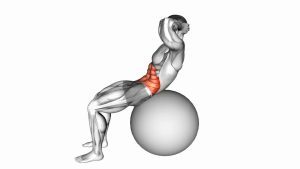
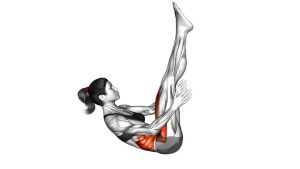
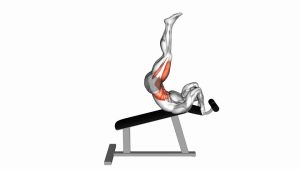
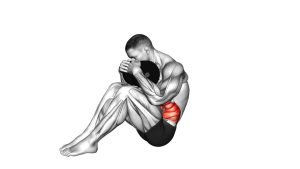
Dumbbell Alternate V-Up: Form, Core Benefits, Sets & Tips
Learn the Dumbbell Alternate V-Up for stronger abs, obliques, and core control. Includes form steps, sets, mistakes, FAQs, and gear.
Dumbbell Alternate V-Up
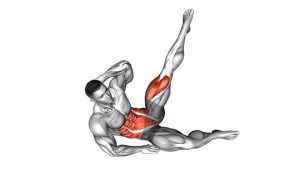
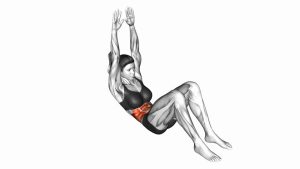
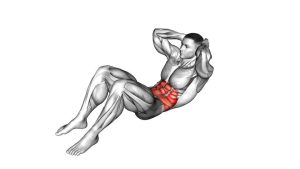
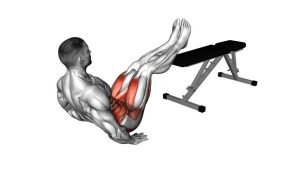
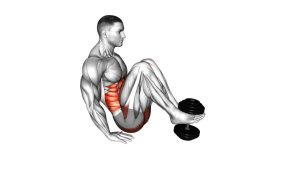
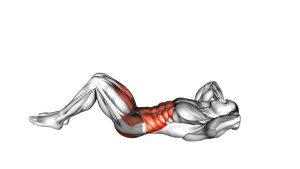
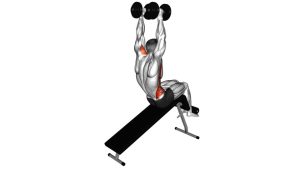
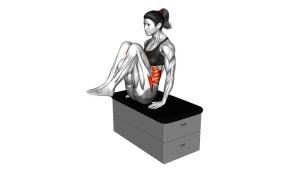
This exercise begins from a lying position with the dumbbell held behind the head and the legs slightly elevated or extended away from the body. Then, the torso curls upward as one knee drives in toward the chest. At the same time, the dumbbell travels forward toward the raised-leg side. After that, the body lowers under control before repeating to the opposite side.
Because the dumbbell increases the resistance, the movement should stay smooth and deliberate. Moreover, the best reps are not the fastest reps. Instead, each repetition should show a clear lift, a controlled top position, and a slow return without dropping the shoulders, legs, or weight.
Quick Overview
| Body Part | Abs |
|---|---|
| Primary Muscle | Rectus abdominis |
| Secondary Muscle | Obliques, hip flexors, transverse abdominis, shoulders, and upper chest stabilizers |
| Equipment | Dumbbell and exercise mat |
| Difficulty | Intermediate to advanced |
Sets & Reps (By Goal)
- Core strength: 3–4 sets × 6–10 reps per side with a controlled tempo.
- Muscle endurance: 2–3 sets × 10–15 total reps using a lighter dumbbell.
- Oblique emphasis: 3 sets × 8–12 reps per side with a brief squeeze at the top.
- Core finisher: 2 rounds × 30–45 seconds while keeping every rep clean.
Progression rule: First improve control and range. Then add reps. Finally, increase dumbbell weight only when you can alternate sides without swinging or losing lower-back position.
Setup / Starting Position
- Lie on your back: Use a mat so your spine and hips stay comfortable during the floor phase.
- Hold one dumbbell with both hands: Grip the dumbbell securely and extend the arms behind the head.
- Set your legs: Keep the knees slightly bent and the feet lightly elevated or extended away from the body.
- Brace the core: Pull the ribs down and prepare to lift without over-arching the lower back.
- Keep the neck neutral: Look generally upward or slightly forward as you begin the crunch.
Use a light dumbbell at first. Since the weight starts behind the head, too much load can quickly turn the movement into a shoulder swing instead of a core exercise.
Execution (Step-by-Step)
- Start long and controlled: Keep the dumbbell behind your head and your legs extended away from your torso without fully relaxing the abs.
- Curl the torso upward: Exhale as your shoulders and upper back lift from the floor.
- Drive one knee in: Bring one knee toward your chest while the opposite leg stays farther away.
- Bring the dumbbell forward: Move the dumbbell toward the raised knee side while keeping both hands on the weight.
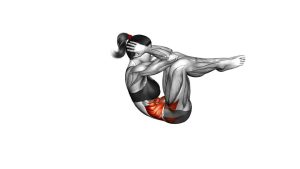
- Reach the top position: Balance briefly on the hips/glutes while keeping the abs tight and the dumbbell under control.
- Lower slowly: Return the torso, arms, and legs toward the starting position without dropping suddenly.
- Alternate sides: Repeat the same motion with the opposite knee on the next repetition.
Pro Tips & Common Mistakes
Pro Tips
- Exhale as you lift: This helps the ribs come down and improves abdominal contraction.
- Use a controlled V shape: Think about folding from the abs rather than yanking with the neck.
- Keep the dumbbell close at the top: A tight weight path makes the exercise safer and more controlled.
- Alternate with purpose: Bring one knee in clearly, return, then switch sides on the next rep.
- Slow the lowering phase: The eccentric phase builds strength and prevents the body from collapsing.
Common Mistakes
- Using too much weight: Heavy dumbbells often cause swinging, neck strain, and poor control.
- Pulling the head forward: Keep the neck relaxed and let the abs lift the torso.
- Dropping the legs: Lower the legs with control so the core stays engaged between reps.
- Arching the lower back: Reduce range if the lower back lifts aggressively from the mat.
- Rushing the alternation: Fast reps usually reduce oblique engagement and increase momentum.
FAQ
What muscles does the Dumbbell Alternate V-Up work?
The main target is the rectus abdominis. However, the alternating knee pattern also challenges the obliques, while the hip flexors help lift and control the legs.
Is the Dumbbell Alternate V-Up beginner-friendly?
It is usually better for intermediate or advanced trainees because it combines a weighted upper-body movement with a leg raise. Beginners should first master bodyweight V-ups, tuck-ups, or alternating knee tucks before adding a dumbbell.
How heavy should the dumbbell be?
Start light. A dumbbell that allows smooth reps, stable shoulders, and controlled lowering is ideal. If the weight swings or your neck strains, it is too heavy for the current level.
Should my feet touch the floor between reps?
They may lightly reset if needed, but keeping the feet slightly elevated increases core tension. However, control matters more than constant tension. Therefore, use the version that lets you maintain clean form.
Why do I feel this in my hip flexors?
Some hip flexor involvement is normal because the legs are lifting toward the torso. Still, the abs should lead the movement. If the hip flexors dominate, bend the knees more, reduce range, and slow down.
Can I do this exercise without a dumbbell?
Yes. A bodyweight alternating V-up is a smart regression. Once you can control the bodyweight version, you can add a light dumbbell for extra resistance.
Recommended Equipment
- Hex Dumbbell — ideal for adding controlled resistance to weighted core exercises.
- Adjustable Dumbbell — useful for progressing gradually without needing many separate dumbbells.
- Thick Exercise Mat — supports the spine, hips, and tailbone during repeated floor reps.
- Non-Slip Workout Mat — helps prevent sliding during the lift and lowering phase.
- Core Sliders — useful for related core progressions, regressions, and ab stability drills.
Tip: Choose equipment that helps you control the exercise. For this movement, a lighter dumbbell and a stable mat are more useful than heavy loading.