Standing Cross-Leg Reach Down Hamstring Stretch: Form, Benefits & Tips
Learn the Standing Cross-Leg Reach Down Hamstring Stretch for hamstring, glute, and posterior chain mobility with safe form, sets, tips, FAQs, and gear.
Standing Cross-Leg Reach Down Hamstring Stretch
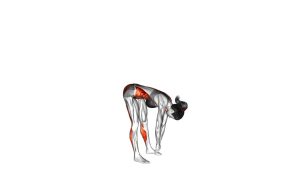
This stretch is useful when you want a quick, no-equipment way to target the back of the legs with a slightly different angle than a basic standing hamstring stretch. Crossing the legs changes the pull through the hips and posterior chain, creating a deeper sensation along the hamstring and glute area of the front/crossed-leg side. Move slowly, keep your breathing relaxed, and let the stretch build gradually.
Quick Overview
| Body Part | Hamstrings |
|---|---|
| Primary Muscle | Hamstrings |
| Secondary Muscle | Glutes, calves, lower back, outer hip stabilizers |
| Equipment | None |
| Difficulty | Beginner |
Sets & Reps (By Goal)
- General flexibility: 2–3 sets × 20–40 seconds per side
- Post-workout cooldown: 1–3 sets × 30–45 seconds per side
- Daily mobility reset: 1–2 sets × 15–30 seconds per side
- Deeper posterior-chain stretch: 2–4 sets × 30–60 seconds per side with slow breathing
Progression rule: First increase relaxation and breathing quality before increasing stretch depth. A smoother stretch is better than forcing a deeper position.
Setup / Starting Position
- Stand tall: Begin in an upright position with your feet close together and your arms relaxed.
- Cross one leg: Place one foot across the other so your legs form a crossed stance.
- Keep balance stable: Both feet should stay flat on the floor, with your weight controlled and centered.
- Soften the knees: Keep the knees mostly straight, but avoid aggressive locking.
- Prepare to hinge: Lift the chest slightly, relax your shoulders, and brace lightly through the core.
Tip: If balance is difficult, stand near a wall or stable object so you can lightly touch it for support.
Execution (Step-by-Step)
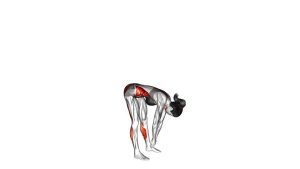
- Start from tall posture: Stand with your legs crossed and your spine long.
- Begin the forward fold: Hinge at the hips and start reaching your hands down toward the floor.
- Let the torso lower naturally: Continue folding forward until you feel a clear stretch through the hamstrings and glutes.
- Hold the stretch: Stay in the bottom position while breathing slowly and keeping tension comfortable.
- Avoid bouncing: Maintain a steady position instead of pulsing or forcing more range.
- Return with control: Slowly rise back to standing, uncross the legs, then repeat on the other side.
Pro Tips & Common Mistakes
- Hinge before rounding: Start the movement from the hips before allowing the spine to relax forward.
- Keep the feet grounded: Do not let the heels lift or the stance collapse.
- Do not lock the knees hard: A soft knee position protects the joints and keeps the stretch comfortable.
- Use slow breathing: Exhale gently as you settle deeper into the stretch.
- Avoid pulling on the legs: Let your arms reach naturally instead of forcing your torso down.
- Switch sides evenly: Cross the opposite leg in front to balance both sides of the posterior chain.
- Respect nerve tension: Tingling, burning, or electric sensations are not normal stretch signals.
FAQ
What muscles does the Standing Cross-Leg Reach Down Hamstring Stretch target?
It primarily stretches the hamstrings. Because the legs are crossed, it also creates extra tension through the glutes, outer hip area, calves, and lower posterior chain.
Is this better than a normal standing hamstring stretch?
It is not necessarily better, but it provides a different angle. The crossed-leg position adds a lateral and glute-focused stretch that a basic straight-leg forward fold may not target as strongly.
Should my hands touch the floor?
No. Touching the floor is not required. The goal is to feel a controlled hamstring and glute stretch while keeping the movement safe and comfortable.
Can beginners do this exercise?
Yes. Beginners can perform this stretch with a smaller range of motion. If balance is challenging, use a wall or chair for light support.
Why do I feel this in my lower back?
Some lower-back stretch is common during a forward fold. However, if the lower back feels strained, reduce the depth, soften the knees slightly, and focus on hinging from the hips.
Recommended Equipment (Optional)
- Yoga Mat — provides a non-slip surface for safer standing stretches
- Stretching Strap / Yoga Strap — useful for other hamstring mobility drills and assisted flexibility work
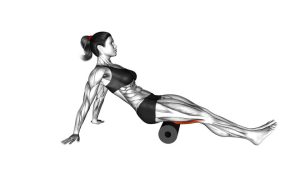
- Foam Roller — helps prepare the hamstrings, calves, and glutes before stretching
- Yoga Blocks — gives your hands a higher target if you cannot comfortably reach the floor
- Massage Ball — useful for releasing tight glutes and hip muscles before mobility training
Tip: Equipment is optional. This stretch works well with bodyweight only, but support tools can make the movement more comfortable and controlled.