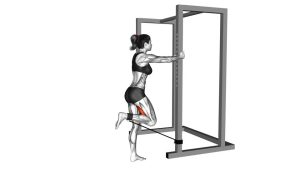
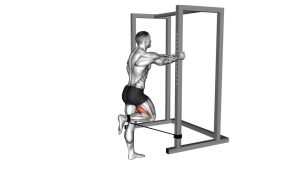
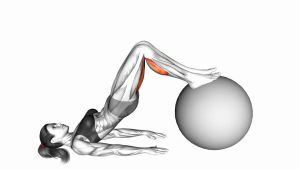
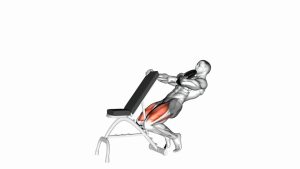
Cable-Assisted Inverse Leg Curl: Form, Muscles, Sets & Tips
Learn the Cable-Assisted Inverse Leg Curl for stronger hamstrings, safer Nordic curl progressions, better knee control, form tips, sets, FAQs.
Cable-Assisted Inverse Leg Curl
This exercise works best when the body stays long from the knees to the shoulders. The goal is not to hinge at the hips or collapse forward. Instead, the hamstrings control the forward lean while the cable reduces the amount of bodyweight you must resist. A smooth descent, stable hips, and controlled return make the movement safer and more effective.
Quick Overview
| Body Part | Hamstrings |
|---|---|
| Primary Muscle | Hamstrings: biceps femoris, semitendinosus, semimembranosus |
| Secondary Muscle | Glutes, calves, spinal erectors, core stabilizers |
| Equipment | Cable machine, ankle-support bench or pad, rope/strap attachment |
| Difficulty | Intermediate to advanced |
Sets & Reps (By Goal)
- Strength control: 3–5 sets × 4–8 reps with slow 3–5 second lowering
- Hypertrophy: 3–4 sets × 8–12 reps with moderate assistance and clean form
- Nordic curl progression: 3–4 sets × 3–6 reps with gradual reduction in cable assistance
- Hamstring injury-prevention work: 2–3 sets × 5–8 reps at controlled effort
Progression rule: First improve control and range of motion. Then slowly reduce cable assistance before adding more volume.
Setup / Starting Position
- Set the cable height: Position the cable so it can assist your torso as you lean forward.
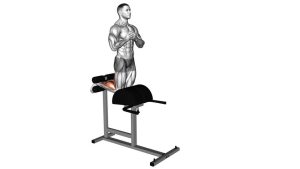
- Secure your lower legs: Kneel on a padded surface with your ankles locked under a stable support.
- Hold the attachment: Grip the rope, strap, or handle near your upper chest or shoulders.
- Stack your body: Keep knees, hips, ribs, shoulders, and head in one long line.
- Brace gently: Tighten your glutes and core to prevent the hips from folding backward.
The starting position should feel tall and stable. If your knees or ankles feel uncomfortable, add padding or adjust the support before beginning.
Execution (Step-by-Step)
- Begin tall: Start in a vertical kneeling position with your hips extended and torso upright.
- Lean forward from the knees: Let your body travel forward as one unit without bending at the hips.
- Control the descent: Resist gravity with your hamstrings while the cable provides assistance.
- Reach your controlled depth: Lower only as far as you can maintain a straight body line.
- Return smoothly: Use your hamstrings and the cable assistance to come back to the upright kneeling position.
- Reset before the next rep: Re-brace your glutes, core, and upper back before repeating.
Pro Tips & Common Mistakes
- Keep the hips extended: Do not turn the movement into a hip hinge.
- Move as one long line: Think “knees to shoulders straight” throughout the rep.
- Use the cable as assistance: The cable should help control the rep, not pull you through it aggressively.
- Control the bottom range: Avoid dropping suddenly near the floor.
- Do not overarch the lower back: Brace the core and squeeze the glutes lightly.
- Start easier than expected: This exercise can overload the hamstrings quickly.
- Progress slowly: Reduce assistance in small steps to avoid hamstring strain.
FAQ
Is the Cable-Assisted Inverse Leg Curl the same as a Nordic curl?
It is very similar, but easier. The cable provides assistance, making it a regression or progression step toward the full Nordic hamstring curl.
Where should I feel this exercise?
You should mainly feel the hamstrings working behind the thighs. You may also feel your glutes and core stabilizing your body position.
Should I bend at the hips during the movement?
No. The goal is to lean forward from the knees while keeping the hips extended. Bending at the hips reduces the hamstring demand.
Is this exercise good for hamstring injury prevention?
It can be useful because it trains eccentric hamstring strength, which is important for sprinting, deceleration, and knee control. Use proper assistance and progress gradually.
How can I make it harder?
Reduce cable assistance, increase the lowering tempo, pause near the bottom, or increase range of motion while keeping strict alignment.
Recommended Equipment
- Cable Machine Rope Attachment — useful for comfortable assisted cable positioning
- Thick Kneeling Exercise Pad — protects the knees during kneeling hamstring work
- Nordic Hamstring Curl Strap — helps secure the ankles for Nordic-style variations
- Adjustable Weight Bench — provides a stable surface for kneeling and ankle support setups
- Hamstring Curl Slider Discs — useful for easier hamstring curl regressions and warm-up work
Tip: Choose equipment that improves stability and control. This movement should feel strong and smooth, not rushed or unstable.