Cable-Supported Single-Leg Hamstring Curl Kickback: Form, Sets, Tips & FAQ
Learn the cable-supported single-leg hamstring curl kickback for stronger hamstrings, better leg control, and constant cable tension.
Cable-Supported Single-Leg Hamstring Curl Kickback
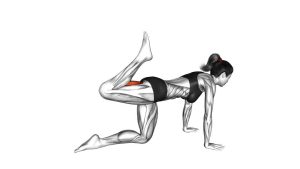
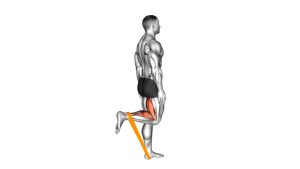
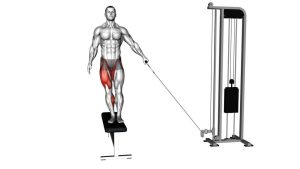
This exercise works best when the upper body stays stable and the working leg moves with precision. Because the cable stays under tension, the hamstrings must control both the lifting phase and the lowering phase. The movement should not look like a fast leg swing. Instead, the heel travels toward the glutes through a smooth knee bend while the hip stays slightly extended behind the body.
Quick Overview
| Body Part | Hamstrings |
|---|---|
| Primary Muscle | Hamstrings — biceps femoris, semitendinosus, and semimembranosus |
| Secondary Muscle | Gluteus maximus, calves, hip stabilizers, and core stabilizers |
| Equipment | Cable machine, ankle strap, and stable support surface |
| Difficulty | Intermediate because it requires balance, cable control, and clean single-leg coordination |
Sets & Reps (By Goal)
- Muscle activation: 2–3 sets × 10–15 reps per leg with light resistance and slow control.
- Hypertrophy: 3–4 sets × 8–12 reps per leg with a 1–2 second squeeze at the top.
- Strength control: 3–5 sets × 6–10 reps per leg using moderate resistance and strict form.
- Warm-up or accessory work: 2 sets × 12–15 reps per leg before heavier posterior-chain training.
- Tempo focus: 2–4 sets × 8–12 reps using a 2-second curl and 3-second controlled return.
Progression rule: Add resistance only when you can complete every rep without swinging the leg, twisting the hips, or losing the controlled eccentric phase.
Setup / Starting Position
- Attach the ankle strap: Secure the cable attachment around the working ankle and set the pulley low.
- Face the cable stack: Stand far enough away to create light starting tension through the cable.
- Hold support: Use a bench, machine frame, or stable handle to keep the torso steady.
- Set your base leg: Keep the non-working foot planted, knee slightly soft, and hips square to the floor.
- Position the working leg: Extend the strapped leg slightly behind the body with the knee mostly straight.
- Brace lightly: Keep the ribs down, spine neutral, and shoulders relaxed before starting the curl.
The starting position should feel balanced and stable. If you need to lean, lean from the hips while keeping the back neutral, not rounded or overarched.
Execution (Step-by-Step)
- Start with tension: Keep the cable lightly loaded before the first rep so the hamstring stays engaged.
- Keep the thigh controlled: Hold the upper leg slightly behind the body without letting it swing forward.
- Curl the heel upward: Bend the working knee and guide the heel toward the glutes.
- Squeeze the hamstring: Pause briefly at the top when the knee is bent and the cable stack is lifted.
- Avoid hip rotation: Keep both hip bones facing down or forward instead of opening the working side outward.
- Lower slowly: Extend the knee under control until the leg returns to the starting position.
- Reset without relaxing: Maintain posture, cable tension, and balance before beginning the next rep.
Pro Tips & Common Mistakes
- Keep the movement hamstring-driven: Focus on bending the knee instead of kicking the entire leg backward.
- Use support wisely: Holding a stable surface helps isolate the working leg and reduces balance compensation.
- Do not swing: Momentum turns the exercise into a loose kickback and removes tension from the hamstrings.
- Control the eccentric: Lowering slowly is where many lifters get the most useful hamstring tension.
- Keep the hips square: Avoid rotating the pelvis to make the range of motion look bigger.
- Do not overarch the back: Brace the core and keep the ribs down to prevent lumbar compensation.
- Use a moderate range: Stop the curl where you can still control the knee and pelvis.
- Train both sides evenly: Start with the weaker leg and match the same reps on the stronger leg.
FAQ
What muscles does the cable-supported single-leg hamstring curl kickback work?
It mainly targets the hamstrings through knee flexion. The glutes also assist because the working leg stays slightly extended behind the body. The planted leg, core, and hip stabilizers help maintain balance and control.
Is this exercise more like a hamstring curl or a cable kickback?
It is closer to a hamstring curl because the main action is bending the knee and bringing the heel toward the glutes. However, the slight hip-extension position gives it a kickback-style component.
Should I use heavy weight on this exercise?
Heavy weight is not the priority. Use a load that allows a smooth curl, a brief squeeze, and a controlled return. If you need to swing the leg or twist the hips, the weight is too heavy.
Where should I feel this movement?
You should feel it mainly in the back of the thigh, especially during the top squeeze and slow lowering phase. You may also feel light glute involvement because the leg stays behind the body.
Can beginners do this exercise?
Beginners can try it with very light resistance, but it may feel challenging because of the balance and cable control. A lying leg curl or standing machine leg curl may be easier to learn first.
How can I make this exercise more effective?
Use a slower tempo, pause briefly at the top, keep the hips square, and avoid relaxing at the bottom. Quality tension matters more than using a heavy cable setting.
Recommended Equipment
- Cable Ankle Strap — essential for attaching the low pulley to the working ankle securely.
- Padded Ankle Cuff Attachment — adds comfort during hamstring curls, kickbacks, and cable leg exercises.
- Resistance Bands — useful for home variations when a cable machine is not available.
- Stable Workout Bench — provides support for balance and a stable hand position during the movement.
- Non-Slip Gym Floor Mat — improves footing and stability when performing single-leg cable exercises.
Choose equipment that keeps the ankle secure, the foot stable, and the body supported. Better stability allows better hamstring isolation.