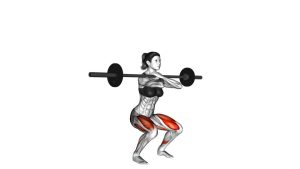
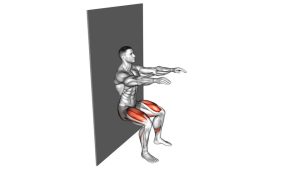
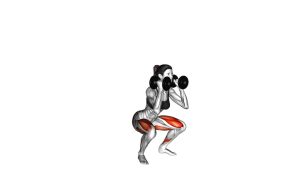
Barbell Zercher Squat Hold: Form, Muscles, Benefits & Tips
Learn the Barbell Zercher Squat Hold for stronger quads, glutes, core bracing, and squat stability with setup, form cues, sets, mistakes, FAQs, and gear.
Barbell Zercher Squat Hold (Isometric)
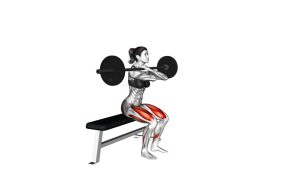
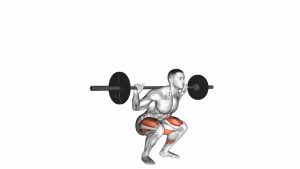
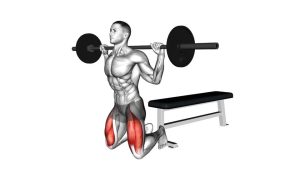
This movement is useful for lifters who want to improve strength in the bottom portion of a squat, develop better posture under a front-loaded barbell, and build full-body tension without relying on momentum. Because the barbell sits in front of the body, the exercise naturally challenges the quads, upper back, abdominals, and hip stabilizers.
Quick Overview
| Body Part | Legs |
|---|---|
| Primary Muscle | Quadriceps |
| Secondary Muscle | Glutes, adductors, hamstrings, core, upper back, biceps, forearms |
| Equipment | Barbell, squat rack, optional bar pad or towel |
| Difficulty | Intermediate |
Sets & Reps (By Goal)
- Strength in the bottom squat position: 3–5 sets × 10–20 second holds
- Quad and glute endurance: 2–4 sets × 20–40 second holds
- Squat stability practice: 3–4 sets × 8–15 second controlled holds
- Warm-up activation: 2–3 sets × 10–15 second holds with light weight
- Hypertrophy support: 3–4 sets × 15–30 second holds after main squat work
Progression rule: Add time before adding weight. Once you can hold a clean position for 30–40 seconds without losing posture, increase the load slightly and return to shorter holds.
Setup / Starting Position
- Set the bar height: Place the barbell in a rack around lower-chest or upper-abdominal height so you can safely lift it into the Zercher position.
- Position the arms: Slide the elbows under the bar and let the bar sit securely in the crooks of the elbows.
- Lock the bar close: Keep the hands together or lightly clasped to prevent the bar from drifting away from the body.
- Brace the torso: Pull the ribs down, tighten the abs, and keep the chest tall before stepping back.
- Set the feet: Stand around shoulder-width apart with the toes slightly turned out.
- Find balance: Keep pressure through the midfoot and heel while maintaining active contact with the floor.
A towel, bar pad, or thick sweatshirt can make the Zercher position more comfortable, especially when learning the exercise.
Execution (Step-by-Step)
- Brace before descending: Take a controlled breath, tighten the core, and keep the barbell pulled close to your torso.
- Lower into the squat: Bend the knees and hips together while keeping the torso as upright as possible.
- Track the knees: Let the knees move in line with the toes without collapsing inward.
- Reach the hold position: Stop around parallel or slightly below parallel if you can maintain a neutral spine.
- Hold with tension: Stay still in the squat position while keeping the chest tall, elbows close, and bar level.
- Breathe under control: Use small controlled breaths while maintaining abdominal pressure.
- Stand up safely: Drive through the floor, extend the knees and hips, and return to standing without letting the bar pull you forward.
- Re-rack with control: Step forward carefully and place the bar back into the rack before releasing your arms.
Pro Tips & Common Mistakes
- Keep the torso tall: The Zercher position works best when the chest stays lifted and the spine stays neutral.
- Do not relax at the bottom: This is an isometric hold, so keep active tension through the quads, glutes, core, and upper back.
- Avoid knee collapse: Push the knees in line with the toes to maintain strong lower-body alignment.
- Do not let the elbows drop: Low elbows can cause the bar to roll forward and pull the torso down.
- Use a manageable load: Heavy weight is only useful if you can hold the position without rounding your back.
- Control your breathing: Stay braced, but avoid turning the hold into an uncontrolled breath-holding contest.
- Do not bounce: The goal is a still, strong hold, not repeated bouncing in the bottom position.
- Protect the elbows: Use a pad or towel if the bar pressure distracts from proper technique.
FAQ
What muscles does the Barbell Zercher Squat Hold work?
The main target is the quadriceps. The glutes, adductors, hamstrings, core, upper back, biceps, and forearms also work hard to stabilize the body and keep the barbell close.
Is the Zercher Squat Hold good for building strength?
Yes. It is especially useful for building strength and control in the bottom portion of the squat. The isometric hold teaches the body to stay tight under load without relying on momentum.
How long should I hold the Zercher Squat position?
Most lifters should start with 10–20 second holds. More advanced lifters can use 20–40 second holds if posture, breathing, and knee position remain controlled.
Should I go below parallel?
Go only as deep as you can while keeping a neutral spine, stable knees, and a secure bar position. Parallel or slightly below parallel is enough for most lifters.
Why does the bar hurt my elbows?
Bar pressure in the elbow crease is common with Zercher variations. Use a bar pad, towel, or thick sleeves if needed. The bar should feel secure, but it should not cause sharp pain.
Is this better than a regular squat?
It is not automatically better; it is different. The Zercher Squat Hold emphasizes front-loaded bracing, upright posture, quad tension, and bottom-position control more than a standard back squat.
Recommended Equipment
- Olympic Barbell — essential for performing loaded Zercher squat holds.
- Squat Rack — helps you set up and re-rack the bar safely.
- Barbell Pad — reduces pressure on the elbows during Zercher holds.
- Weightlifting Belt — useful for heavier sets when extra bracing support is needed.
- Weightlifting Knee Sleeves — provides warmth and support for squat-focused lower-body training.
Tip: Equipment should support better technique, not hide poor form. Start light, build clean holds, and increase load only when your position stays strong.