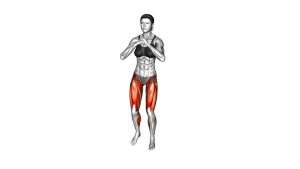
Bodyweight Sissy Squat: Quad Form, Sets, Tips & FAQ
Learn the Bodyweight Sissy Squat for intense quad training, knee control, and leg strength. Includes form steps, sets, mistakes, FAQs, and gear.
Bodyweight Sissy Squat
This exercise is best used when you want to train the quads with minimal equipment and a strong knee-dominant pattern. It requires balance, ankle control, knee tolerance, and core stiffness. The movement should feel smooth and controlled, not rushed or forced. If your knees, ankles, or lower back feel irritated, reduce the range of motion or use light assistance from a stable support.
Quick Overview
| Body Part | Quads |
|---|---|
| Primary Muscle | Quadriceps, especially rectus femoris |
| Secondary Muscle | Core stabilizers, hip flexors, tibialis anterior, calves for balance |
| Equipment | Bodyweight only; optional wall, rack, strap, or sissy squat bench for support |
| Difficulty | Intermediate because it requires knee control, balance, and strong quad tension |
Sets & Reps (By Goal)
- Technique practice: 2–3 sets × 5–8 slow reps with partial range and light support if needed.
- Quad hypertrophy: 3–4 sets × 8–15 reps using controlled lowering and a strong squeeze at the top.
- Strength control: 3–5 sets × 5–8 reps with a slow eccentric tempo and strict body alignment.
- Burnout finisher: 1–3 sets × 12–20 short-range reps after squats, lunges, or leg presses.
Progression rule: First increase control, then range of motion, then reps. Do not add intensity until your knees track smoothly and your torso stays aligned.
Setup / Starting Position
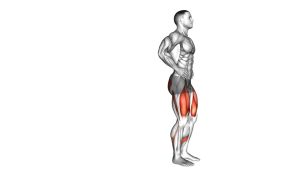
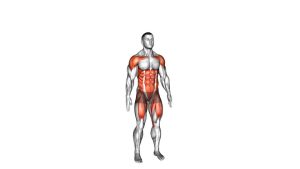
- Stand tall: Place your feet about hip-width or slightly narrower with your body upright.
- Brace lightly: Tighten your abs enough to keep your ribs and hips connected during the lean.
- Prepare the knees: Keep the knees soft and ready to travel forward in line with the toes.
- Use support if needed: Hold a wall, rack, suspension strap, or sturdy object if balance limits your control.
- Keep the hips open: Do not sit backward like a normal squat. Think of keeping a long line from knees to shoulders.
Tip: If you are new to the exercise, use a small range of motion and focus on smooth knee tracking before trying a deep lean.
Execution (Step-by-Step)
- Start upright: Stand tall with your chest lifted, core braced, and feet stable.
- Drive the knees forward: Begin the rep by allowing the knees to move forward while the torso leans backward.
- Keep the body long: Maintain a straight line from knees through hips to shoulders instead of folding at the hips.
- Lower under control: Descend slowly until you feel strong quad tension without losing balance or knee comfort.
- Pause briefly: Hold the bottom position for a moment while keeping the quads active and the core tight.
- Rise with the quads: Extend the knees to bring your body back upright without using momentum.
- Reset at the top: Stand tall, regain balance, and repeat with the same controlled path.
Pro Tips & Common Mistakes
- Keep the movement knee-dominant: The knees move forward while the torso leans back. Avoid turning it into a hip hinge.
- Control the descent: A slow lowering phase creates better quad tension and protects the knees from sudden stress.
- Do not chase depth too early: A clean partial rep is better than a deep rep with pain, wobbling, or spinal extension.
- Keep the hips extended: Squeezing the glutes lightly can help prevent the hips from collapsing backward.
- Use assistance wisely: Holding a support does not make the exercise wrong. It often improves form and allows better quad focus.
- Avoid bouncing: Do not rebound from the bottom. Pause, stay tight, and rise with control.
- Watch knee tracking: Knees should follow the same direction as the toes without collapsing inward.
- Do not overarch the lower back: Brace your core and keep the body long instead of leaning back only from the spine.
FAQ
What muscles does the Bodyweight Sissy Squat work?
The Bodyweight Sissy Squat mainly works the quadriceps, especially the rectus femoris. It also uses the core, calves, and lower-leg muscles to help stabilize the body.
Is the sissy squat bad for the knees?
It is not automatically bad, but it is a demanding knee-dominant exercise. Start with a small range, use support, and stop if you feel sharp pain or unstable knee pressure.
Should beginners do Bodyweight Sissy Squats?
Beginners can practice assisted partial reps, but full bodyweight sissy squats are usually better for intermediate trainees who already have good squat control and knee tolerance.
How is a sissy squat different from a regular squat?
A regular squat uses more hips and glutes because the hips move back. A sissy squat keeps the hips more extended and shifts the challenge strongly toward the quads.
Can I do this exercise at home?
Yes. It can be done with bodyweight only, but using a wall, door frame, suspension trainer, or stable support can make the exercise safer and easier to control.
Recommended Equipment (Optional)
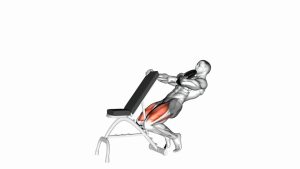
- Sissy Squat Bench — helps lock the lower legs in place and makes quad-focused sissy squats more stable.
- Suspension Trainer Straps — useful for assisted reps, balance support, and controlled range progression.
- Weightlifting Knee Sleeves — provide warmth and light support during knee-dominant leg training.
- Non-Slip Exercise Mat — improves foot grip and comfort during bodyweight lower-body exercises.
- Squat Slant Board — can help adjust ankle angle and improve comfort for quad-focused squat patterns.
Tip: Equipment should improve control, not hide poor technique. Use support tools to build better reps before increasing range or intensity.