Forward Pulse Lunge with Hands Overhead: Form, Muscles & Tips
Learn the Forward Pulse Lunge with Hands Overhead for stronger quads, glutes, balance, and shoulder control. Explore proper form, sets, tips, and FAQs.
Forward Pulse Lunge with Hands Overhead
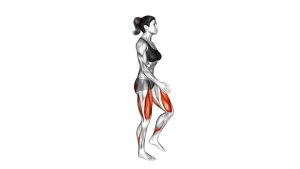
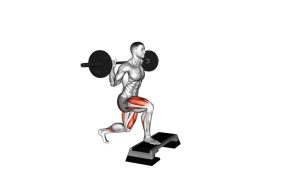
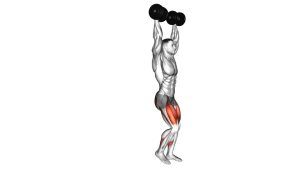
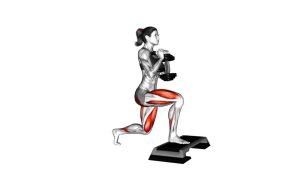
The Forward Pulse Lunge with Hands Overhead develops controlled lower-body strength while challenging single-leg coordination and postural stability. Because the front leg supports much of the movement, the quadriceps and glutes work throughout the lowering, pulsing, and rising phases. Meanwhile, the overhead position encourages shoulder control and requires the abdominal muscles to stabilize the trunk. Additionally, the pulsing action extends the time spent near the bottom of the lunge. As a result, even a small number of repetitions can create substantial muscular fatigue.
However, maintaining good technique is more important than performing deep or rapid pulses. Start with a comfortable step length and a lightweight overhead stick. Then gradually increase the number of controlled repetitions as your strength, balance, and mobility improve.
Quick Overview
| Body Part | Legs |
|---|---|
| Primary Muscle | Quadriceps and Gluteus Maximus |
| Secondary Muscle | Hamstrings, Hip Adductors, Gluteus Medius, Calves, and Core Stabilizers |
| Equipment | Lightweight Exercise Stick, PVC Dowel, or Unweighted Training Bar |
| Difficulty | Intermediate — requires controlled lunging, dynamic balance, and comfortable overhead shoulder mobility |
Sets & Reps (By Goal)
- Strength and control: Perform 3–4 sets × 6–8 reps per leg, using 2–3 small pulses per repetition. Rest 60–90 seconds between sets. Prioritize steady positioning rather than fast movement.
- Muscle hypertrophy: Complete 3–4 sets × 8–10 reps per leg with 2 controlled pulses per repetition. Additionally, maintain consistent tension through the front quadriceps and glutes. Rest approximately 60–90 seconds between sets.
- Muscular endurance: Perform 2–3 sets × 10–12 reps per leg with 1–2 gentle pulses per repetition. Keep the pace controlled and rest 45–75 seconds. However, reduce the repetition count if balance or technique begins to deteriorate.
- Mobility and coordination: Use 2–3 sets × 5–8 reps per leg with a comfortable lunge depth. Hold the overhead position without forcing shoulder range. Furthermore, concentrate on smooth hip movement, stable foot placement, and controlled breathing.
- Rehab-style movement practice: When cleared by a qualified professional, perform 1–2 sets × 4–6 gentle reps per leg. Use a shallow range and omit pulses if necessary. Because this variation challenges balance and overhead mobility, it may not suit early rehabilitation.
Progression rule: Begin with bodyweight lunges and a lightweight overhead stick. Once your balance is reliable, gradually increase repetitions or add one small pulse. Next, improve the depth only if your hips, knees, and ankles move comfortably. Avoid adding heavy overhead resistance before mastering the basic movement. For this exercise, controlled repetitions and consistent alignment matter more than external loading.
Setup / Starting Position
- Choose a suitable exercise stick: Select a lightweight PVC dowel, mobility stick, or unweighted training bar. The stick should be easy to control without placing unnecessary stress on the shoulders.
- Stand in a stable position: Position your feet approximately hip-width apart on a firm, level surface. Keep your weight evenly distributed and maintain a natural upright posture.
- Raise the hands overhead: Hold the stick with both hands using a comfortable grip. Extend your arms overhead while keeping your shoulders controlled. However, avoid forcing your elbows or shoulders into an uncomfortable position.
- Brace your abdominal muscles: Gently engage your core and keep your rib cage aligned above your pelvis. This preparation helps limit excessive lower-back arching during the overhead hold.
- Prepare your lead leg: Select the leg that will step forward first. Keep your toes facing forward and avoid turning the pelvis toward either side.
- Establish shoulder control: Maintain a comfortable overhead reach without shrugging excessively. Meanwhile, keep your head in a neutral position and look straight ahead.
- Prepare for the forward step: Shift your weight slightly onto the supporting foot. Then move the lead foot forward into a controlled split stance. Use enough lateral spacing between the feet to maintain balance.
Tip: Practice the forward lunge without overhead equipment before adding the stick. Consequently, you can develop reliable foot placement and knee control without simultaneously managing shoulder stability.
Execution (Step-by-Step)
- Begin in the upright position: Stand tall with the exercise stick held overhead. Keep your core engaged, shoulders stable, and feet approximately hip-width apart. Take a comfortable breath before moving.
- Step forward with one leg: Move the selected foot forward and place it firmly on the floor. Meanwhile, allow the opposite heel to rise as your body transitions into a split stance. Avoid placing both feet directly on one narrow line.
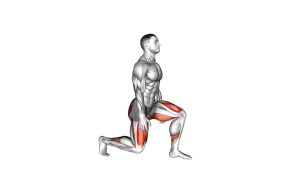
- Lower into the forward lunge: Bend both knees while lowering your hips vertically. Aim for a comfortable depth, with the front knee approaching 90 degrees when mobility allows. However, do not force the rear knee onto the floor.
- Maintain proper lower-body alignment: Keep your front foot planted and your front knee tracking in the direction of the toes. The rear knee should remain aligned beneath the rear hip as closely as your stance permits. Additionally, avoid allowing either hip to rotate excessively.
- Perform the bottom-position pulse: From the low lunge, rise slightly by extending the knees and hips a small amount. Then lower back into the controlled bottom position. Repeat this short vertical movement for the prescribed number of pulses.
- Keep the hands overhead: Maintain the stick above your head throughout the forward step, descent, and pulses. Meanwhile, engage your core to prevent excessive spinal extension. Avoid allowing the arms to swing forward and backward.
- Return to standing: After completing the pulses, push through the front foot to extend the hips and knees. Next, step the front leg backward toward the original standing position. Complete the return without suddenly dropping your arms or shifting your torso.
- Reset and repeat: Restore your balanced starting position before beginning another repetition. Continue with the same lead leg for the prescribed repetitions. Alternatively, alternate legs when your balance and coordination are sufficiently developed.
Overhead Position and Pulse Control
The overhead stick should remain controlled while the legs perform the work. Therefore, avoid using the arms to generate momentum during each pulse. Keep the vertical movement small enough to maintain steady pressure through the front foot. If your torso leans backward, reduce the lunge depth or return to a basic forward lunge.
Pro Tips & Common Mistakes
- Keep the front foot firmly planted: Maintain balanced pressure through the heel, midfoot, and forefoot. Avoid lifting the heel or shifting excessively onto the toes during the pulses. Consequently, your lower body can remain more stable.
- Use a controlled pulse instead of bouncing: Move upward and downward through a small range using muscular control. Sudden bouncing can make balance and joint positioning harder to manage. Therefore, prioritize a smooth tempo over pulse speed.
- Maintain comfortable knee alignment: Allow the front knee to travel naturally in line with the toes. However, avoid uncontrolled inward collapse or excessive sideways movement. Adjust your stance when necessary.
- Avoid excessive lower-back arching: The overhead position may encourage your ribs to flare and your pelvis to tilt forward. Instead, gently brace your abdominal muscles and maintain a comfortable spinal position. Reduce the overhead range if needed.
- Keep the overhead stick steady: Your arms should remain raised without repeatedly swinging or lowering the stick. Additionally, avoid gripping so tightly that your neck and shoulders become unnecessarily tense.
- Choose a suitable step length: An excessively short step may make maintaining a comfortable lunge position difficult. Conversely, an overly long step can challenge balance and hip mobility. Use a stance that allows both knees to bend smoothly.
- Do not force maximum depth: Lower only as far as your strength and mobility allow. Although a deeper lunge increases the movement demand, maintaining alignment remains more important. Gradually improve your range as control develops.
- Maintain an upright, controlled torso: Keep your chest lifted without leaning excessively backward. Meanwhile, focus on smooth breathing and avoid holding your breath through every pulse. Controlled trunk positioning helps support the overhead hold.
- Train both legs consistently: Complete a similar number of controlled repetitions on each side. If one leg feels less stable, start with that side and match its manageable volume. However, avoid forcing identical depth when mobility differs.
- Progress gradually: Master a normal forward lunge before introducing pulses and overhead positioning. Once technique becomes consistent, add repetitions or slightly increase pulse duration. Finally, consider more challenging variations only when balance remains reliable.
Training tip: This movement works well as an accessory exercise during lower-body training. For example, it can follow squats or standard lunges when your legs are not excessively fatigued. Alternatively, use a lighter version during a mobility-focused session. Nevertheless, maintain control rather than increasing difficulty simply to create more fatigue.
FAQ
Technique and Muscles Worked
What muscles does the Forward Pulse Lunge with Hands Overhead work?
The Forward Pulse Lunge with Hands Overhead primarily works the quadriceps and gluteus maximus. Additionally, the hamstrings, hip adductors, calves, and gluteus medius assist with movement and stability. The abdominal muscles and spinal stabilizers help control the torso. Meanwhile, the deltoids, trapezius, serratus anterior, and rotator cuff support the overhead arm position. Consequently, the exercise challenges several muscle groups simultaneously.
How is a forward pulse lunge different from a regular forward lunge?
A regular forward lunge typically involves stepping forward, lowering, and returning to standing. In contrast, the forward pulse lunge includes small vertical movements near the bottom position. These pulses increase the duration of muscular tension without requiring additional equipment. Furthermore, holding the hands overhead adds a shoulder-mobility and trunk-stability challenge. As a result, the movement requires more coordination than a basic forward lunge.
Should the rear knee touch the floor during the pulse lunge?
No, the rear knee does not need to touch the floor. Instead, lower into a comfortable lunge while keeping the knee slightly above the ground when possible. The exact depth depends on your flexibility, strength, and joint comfort. Additionally, avoid allowing the rear knee to strike the floor during repeated pulses. If maintaining control becomes difficult, shorten the movement range.
Training Frequency, Progression, and Safety
Is the Forward Pulse Lunge with Hands Overhead suitable for beginners?
The complete movement is generally better suited to intermediate exercisers. However, beginners can prepare by practicing bodyweight forward lunges without the overhead hold. Once basic balance improves, a lightweight stick may be introduced. Next, small bottom-position pulses can be added gradually. Start with fewer repetitions and avoid deep lunges until the technique feels comfortable. Therefore, mastering each component separately is usually the most practical progression.
How many pulses should I perform during each forward lunge?
Begin with approximately 1–2 controlled pulses per repetition. Each pulse should involve a small rise and return near the bottom of the lunge. As balance and strength improve, you may progress to 2–3 pulses. However, additional pulses are unnecessary when knee alignment or overhead control begins to deteriorate. For most training sessions, consistent movement quality matters more than completing a high pulse count.
Can this exercise improve balance and lower-body stability?
Yes, the movement can help develop balance and coordinated lower-body control through repeated practice. Because each forward step creates an asymmetrical stance, the hips and trunk must stabilize the body. Furthermore, the overhead hold increases the need for controlled posture. Nevertheless, improvements depend on consistent practice, appropriate difficulty, and progressive training. Start with basic lunges if the overhead variation is too challenging.
How often should I include overhead pulse lunges in my workout?
Many healthy exercisers can include this variation in lower-body training once or twice weekly. For example, perform 2–3 sets after your primary strength exercises. Allow enough recovery between demanding leg sessions, especially when introducing the pulsing technique. Additionally, adjust the volume according to your overall workout intensity. If soreness affects walking, balance, or normal movement, reduce the training volume.
What should I do if my shoulders feel uncomfortable overhead?
First, reduce the overhead reach and check whether your lower back is arching excessively. If discomfort continues, perform the exercise without the overhead stick. Alternatively, practice comfortable shoulder mobility separately before attempting the complete variation. Do not force the arms into a position that creates pain or numbness. Persistent symptoms should be assessed by a qualified healthcare professional.
Recommended Equipment
- PVC Mobility Stick / Exercise Dowel — useful for practicing the overhead arm position with minimal additional resistance. Its lightweight construction makes shoulder positioning easier to control during lunges.
- Non-Slip Exercise Mat — provides a firm, grippy workout surface when suitable for lunging. Avoid thick, unstable mats that interfere with foot balance.
- Mini Resistance Loop Bands — useful for glute activation exercises, hip stability preparation, and complementary lower-body training.
- Lightweight Adjustable Dumbbells — suitable for separate strength progressions such as conventional weighted lunges. They are not necessary for the overhead pulse lunge demonstrated here.
- Exercise Knee Pad — provides optional cushioning during kneeling mobility drills or supported lunge practice. It should not encourage forceful rear-knee contact during dynamic pulses.
Equipment tip: Start with a lightweight exercise stick and a stable training surface. The overhead position should develop control rather than add unnecessary loading. Furthermore, complementary resistance bands can support glute preparation before lower-body workouts. As your technique improves, progress gradually while maintaining comfortable knee, hip, and shoulder positioning.