Side Swim Arms: Form, Benefits, Sets, Tips & FAQ
Learn how to do Side Swim Arms with proper form to improve shoulder mobility, endurance, and control. Includes setup, step-by-step execution, sets by goal, mistakes, FAQs, and recommended equipment.
Side Swim Arms
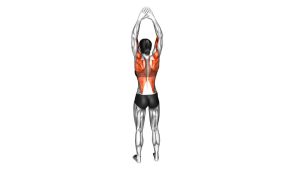
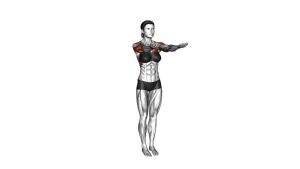
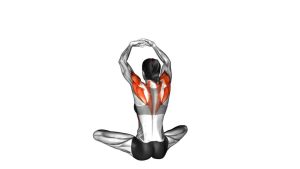
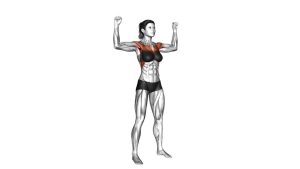
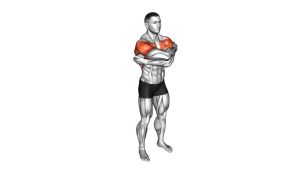
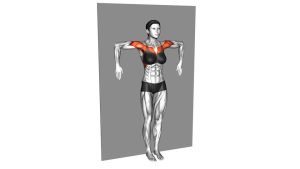
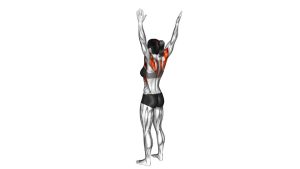
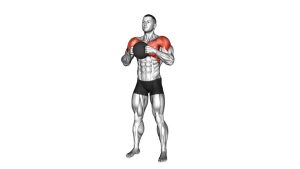
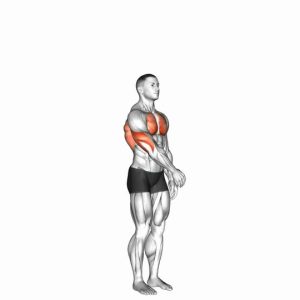
This movement works best as a warm-up, activation drill, or light finisher. It can help prepare the shoulders before pressing workouts, upper-body training, or mobility sessions. You should feel steady effort in the shoulders, not neck tension or lower-back strain. Stay tall, keep the core lightly braced, and focus on a smooth, repeatable arm pattern.
Quick Overview
| Body Part | Shoulders |
|---|---|
| Primary Muscle | Deltoids (anterior, lateral, and posterior fibers working together) |
| Secondary Muscle | Rotator cuff, upper traps, rhomboids, and scapular stabilizers |
| Equipment | None; optional light dumbbells or resistance bands for progression |
| Difficulty | Beginner |
Sets & Reps (By Goal)
- Warm-up / activation: 2–3 sets × 20–30 seconds or 10–15 controlled cycles
- Mobility / shoulder health: 2–4 sets × 30–45 seconds at an easy, steady pace
- Muscular endurance: 3–4 sets × 15–25 cycles with 30–45 seconds rest
- Light finisher: 2–3 sets × 30–60 seconds with clean form and no shrugging
Progression rule: First increase control, time under tension, or range quality. Only add light resistance when you can keep the shoulders down and the movement smooth.
Setup / Starting Position
- Stand tall: Keep your feet about hip-width apart and your knees softly unlocked.
- Brace lightly: Tighten the core just enough to prevent lower-back arching.
- Raise the arms: Bring both arms out to the sides around shoulder height.
- Relax the neck: Keep the shoulders away from the ears and the jaw relaxed.
- Set posture: Chest open, ribs stacked, head neutral, and eyes forward.
Tip: Think “long arms, quiet shoulders.” The position should feel controlled, not stiff.
Execution (Step-by-Step)
- Start in a T-position: Arms extended sideways, elbows soft but mostly straight.
- Begin the swim pattern: Move the arms in a smooth alternating motion, as if mimicking a sideways swim stroke.
- Let one arm lead forward while the other moves back: Keep the movement controlled and symmetrical.
- Maintain shoulder height: Try not to let the arms drop too low or shrug upward.
- Stay steady through the torso: Avoid twisting, leaning, or using momentum.
- Breathe normally: Keep the rhythm fluid and repeat for the target time or reps.
Pro Tips & Common Mistakes
- Keep the motion smooth: Fast flailing turns this into a sloppy cardio drill instead of a useful shoulder exercise.
- Don’t shrug: Keep the shoulders down so the deltoids and stabilizers do the work.
- Stay tall: Avoid leaning back or pushing the ribs forward.
- Use a manageable range: Big circles are not always better; clean movement matters more.
- Watch arm height: If the arms keep dropping, shorten the set or reduce fatigue.
- Add resistance carefully: If you progress to light dumbbells, keep them very light to preserve quality.
FAQ
What muscles do Side Swim Arms work most?
The exercise mainly targets the deltoids, especially through sustained shoulder abduction and circular control. The rotator cuff and upper-back stabilizers help support the movement.
Is this a strength exercise or a warm-up drill?
It is mostly a warm-up, activation, mobility, and endurance drill. It can build shoulder stamina, but it is not meant to replace heavier strength work.
Can beginners do Side Swim Arms?
Yes. It is beginner-friendly as long as the motion stays controlled and pain-free. Start with short sets and keep the shoulders relaxed.
Should I use weights for this movement?
You can, but only after mastering the bodyweight version. If you add load, use very light dumbbells so form does not break down.
When should I place this exercise in a workout?
It works well in the warm-up before shoulder, chest, or upper-body sessions. It can also be used at the end of a workout as a light endurance finisher.
Recommended Equipment (Optional)
- Shoulder Resistance Bands — useful for progressive shoulder activation, rehab-style work, and light resistance training
- Lightweight Dumbbells — a simple way to progress Side Swim Arms once you can maintain clean control
- Exercise / Yoga Mat — handy for pairing this drill with floor-based mobility and shoulder warm-up work
- Shoulder Pulley — helpful for additional controlled shoulder mobility and rehab-style range-of-motion practice
- Yoga Strap / Stretch Strap — useful for shoulder flexibility, mobility drills, and upper-body warm-up routines
Tip: Choose tools that support smooth, pain-free motion. For this exercise, lighter resistance usually works better than heavier loading.