Dumbbell Standing Hip Hugger: Form, Muscles Worked, Sets, Tips & FAQ
Learn how to do the Dumbbell Standing Hip Hugger with proper form. Build biceps, brachialis, and forearm control with step-by-step technique, sets, tips, mistakes, FAQ, and equipment.
Dumbbell Standing Hip Hugger
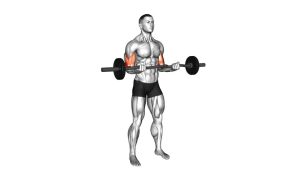
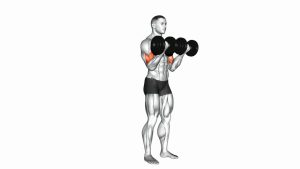
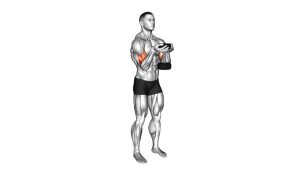
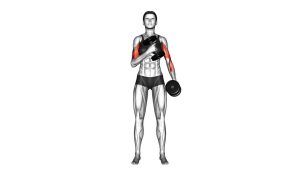
This exercise works best when the movement stays slow, compact, and clean. The dumbbells should travel toward the lower ribs, waist, or hip area without swinging away from the body. Because the elbows stay close to the torso, the biceps must work without help from excessive shoulder movement. That makes the Dumbbell Standing Hip Hugger useful for arm hypertrophy, curl variation, and improving control during pulling or arm-focused workouts.
A proper repetition should feel smooth through both the lifting and lowering phases. The athlete begins with the dumbbells hanging naturally at the sides, curls them upward while keeping the elbows tucked, briefly squeezes near the top, then lowers the weights under control. Avoid turning the exercise into a shoulder swing. The main action should come from elbow flexion, supported by a stable torso and steady breathing.
Quick Overview
| Body Part | Biceps |
|---|---|
| Primary Muscle | Biceps brachii |
| Secondary Muscle | Brachialis, brachioradialis, forearms, anterior deltoids as light stabilizers |
| Equipment | Dumbbells |
| Difficulty | Beginner to Intermediate |
Sets & Reps (By Goal)
- Muscle growth: 3–4 sets of 8–12 reps with a controlled 2–3 second lowering phase.
- Arm endurance: 2–3 sets of 12–15 reps using lighter dumbbells and steady tempo.
- Strength-focused accessory work: 3–5 sets of 6–10 reps with strict form and no swinging.
- Beginner technique practice: 2–3 sets of 8–10 reps using light dumbbells and a short pause at the top.
- Finisher after back or arm training: 2 sets of 12–20 reps with moderate burn but clean posture.
Progression rule: Increase reps first, then increase dumbbell weight only when every rep stays strict. If the elbows drift too far forward or the torso starts rocking, the weight is too heavy.
Setup / Starting Position
- Stand tall: Place your feet about hip-width to shoulder-width apart and keep your weight evenly balanced.
- Hold the dumbbells at your sides: Let the arms hang naturally with the palms facing inward toward the thighs.
- Brace lightly: Keep your ribs down, core engaged, and spine neutral without over-arching the lower back.
- Relax the shoulders: Pull the shoulders slightly down and back, but do not force an exaggerated chest position.
- Set the elbows: Keep both elbows close to the body before the first rep begins.
- Keep the wrists neutral: Avoid bending the wrists backward or curling them inward during the movement.
Setup quality matters. A stable starting position allows the biceps and brachialis to do the work instead of letting the lower back, traps, or shoulders take over.
Execution (Step-by-Step)
- Begin from a dead-still position: Let the dumbbells hang beside your thighs and remove any swinging before starting the rep.
- Curl from the elbows: Bend your elbows and guide the dumbbells upward along the sides of your body.
- Move toward the hip-hugger path: Bring the dumbbells inward toward the hip, waist, or lower-rib area instead of letting them drift far forward.
- Keep the elbows close: Allow only a small natural shift, but avoid flaring the elbows away from the torso.
- Squeeze at the top: Pause briefly when the dumbbells reach the highest controlled position and contract the biceps without shrugging.
- Lower slowly: Extend the elbows under control and return the dumbbells along the same close-body path.
- Reset before the next rep: Return to full arm extension without relaxing posture or letting the weights swing.
Pro Tips & Common Mistakes
Pro Tips
- Use a close-body path: Keep the dumbbells near the sides of the torso to maintain the unique hip-hugger pattern.
- Control the eccentric phase: Lowering slowly increases time under tension and improves arm-building quality.
- Pause without relaxing: A short top squeeze helps you feel the biceps instead of rushing through the rep.
- Train both arms evenly: Watch that one dumbbell does not rise higher or faster than the other.
- Keep the neck relaxed: Avoid clenching the jaw or shrugging the shoulders as fatigue builds.
- Use moderate weight: This is not a max-load curl variation. Clean reps are more valuable than heavy swinging.
Common Mistakes
- Swinging the dumbbells: Momentum reduces biceps tension and turns the exercise into a loose full-body movement.
- Leaning backward: Arching the spine to lift heavier dumbbells places unnecessary stress on the lower back.
- Letting the elbows flare: Wide elbows change the path and reduce the close-body tension this exercise is designed to create.
- Cutting the range short: Partial reps can be useful sometimes, but beginners should first master full controlled reps.
- Bending the wrists: Keep the wrists stacked with the forearms to avoid discomfort and energy leaks.
- Dropping the weights: The lowering phase should be controlled, not passive.
FAQ
What muscles does the Dumbbell Standing Hip Hugger work?
The main target is the biceps brachii. The brachialis, brachioradialis, and forearms also assist because the dumbbells are controlled with a close, neutral-to-semi-neutral arm path.
Is the Dumbbell Standing Hip Hugger the same as a regular dumbbell curl?
No. A regular dumbbell curl usually travels more directly in front of the body. The hip hugger variation keeps the dumbbells close to the torso and guides them toward the hip or waist area, creating a tighter arm path and different contraction feel.
Should I use heavy dumbbells for this exercise?
Use a weight you can control without swinging. Moderate dumbbells are usually best because this exercise depends on elbow control, strict posture, and a smooth lowering phase.
Where should I feel the movement?
You should feel the front of the upper arms working, especially the biceps. The forearms may also work to stabilize the dumbbells. You should not feel strain in the lower back, neck, or shoulders.
Can beginners do the Dumbbell Standing Hip Hugger?
Yes. Beginners can perform it with light dumbbells as long as they move slowly and keep the elbows close. It is a good way to learn strict curling mechanics without relying on momentum.
How can I make this exercise harder?
Increase the pause at the top, slow the lowering phase, add reps, or use slightly heavier dumbbells. Progress only when your torso stays still and your elbows remain controlled.
Recommended Equipment
- Adjustable Dumbbells — ideal for progressive overload without needing a full dumbbell rack.
- Rubber Hex Dumbbells — stable, durable, and easy to grip for strict arm exercises.
- Weightlifting Wrist Wraps — useful if you need extra wrist support during dumbbell curl variations.
- Exercise Mat — provides a stable training surface for home workouts and arm-day accessories.
- Weightlifting Gloves — improves grip comfort when performing higher-rep dumbbell arm work.
Tip: For this exercise, choose equipment that helps you control the dumbbells smoothly. Grip comfort, stable weight increments, and proper wrist alignment are more important than lifting the heaviest possible load.