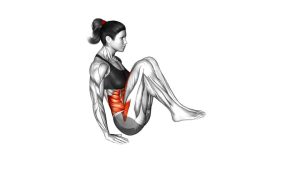
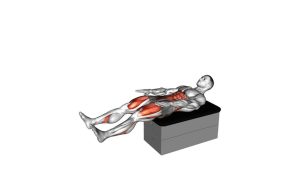
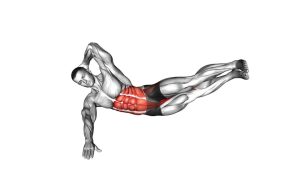
Seated Alternate In-Out Leg Raise Over Bench: Form, Sets, Tips & FAQ
Learn the Seated Alternate In-Out Leg Raise Over Bench to target lower abs, hip flexors, and core control with proper form, sets, tips, FAQs, and gear.
Seated Alternate In-Out Leg Raise Over Bench
This exercise works best when the movement stays smooth, compact, and controlled. Instead of rushing the reps, focus on keeping your abs braced, your chest lifted, and your legs hovering without touching the floor. The bench gives you support, but your core should still do most of the stabilizing work.
Quick Overview
| Body Part | Core |
|---|---|
| Primary Muscle | Rectus abdominis, especially lower abdominal region |
| Secondary Muscle | Hip flexors, obliques, transverse abdominis, quadriceps |
| Equipment | Flat bench or stable exercise bench |
| Difficulty | Beginner to Intermediate |
Sets & Reps (By Goal)
- Beginner control: 2–3 sets × 8–10 reps per side, slow tempo, 45–60 sec rest
- Core endurance: 3–4 sets × 12–16 reps per side, steady rhythm, 45–75 sec rest
- Lower-ab focus: 3 sets × 10–14 reps per side with a 1-second pause on each extension
- Finisher: 2–3 rounds × 30–45 seconds, controlled pace, 60 sec rest
Progression rule: First improve control and range. Then increase reps, time under tension, or slow the lowering phase before adding ankle weights.
Setup / Starting Position
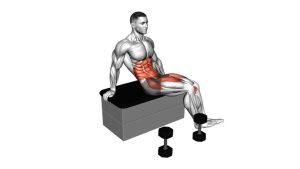
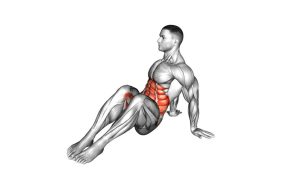
- Sit near the edge of a bench: Place your hips securely on the bench with enough room to move your legs freely.
- Grip the bench: Place your hands slightly behind your hips and hold the bench for balance.
- Lean back slightly: Keep your chest lifted and torso angled back just enough to engage the abs.
- Lift both feet: Raise your legs off the floor and keep the knees slightly bent.
- Brace your core: Pull the ribs down gently and avoid arching the lower back.
Tip: If your lower back feels stressed, keep the legs higher and reduce how far you extend each leg.
Execution (Step-by-Step)
- Start with both legs lifted: Keep your feet hovering and your torso stable.
- Bring one knee inward: Pull one knee toward your chest while the opposite leg extends outward over or beside the bench line.
- Switch sides smoothly: Extend the bent leg out as the opposite knee comes in.
- Keep alternating: Continue the in-out pattern without letting the feet touch the floor.
- Control the extension: Do not let the extended leg drop too low if it causes your back to arch.
- Finish with control: Stop the set before your posture collapses or the movement becomes jerky.
Pro Tips & Common Mistakes
- Keep constant tension: Do not rest your feet on the floor between reps.
- Avoid leaning too far back: A slight lean is useful, but excessive leaning can reduce abdominal control.
- Do not rush the switch: Smooth alternating reps are better than fast, sloppy reps.
- Control the lower back: Keep the ribs down and avoid excessive arching as the leg extends.
- Use your hands for balance only: Do not push hard through your arms to replace core effort.
- Keep the neck relaxed: Look forward or slightly down without craning the head.
- Shorten the range if needed: Smaller, cleaner reps are better than large reps with back strain.
FAQ
What muscles does the Seated Alternate In-Out Leg Raise Over Bench work?
It mainly targets the rectus abdominis, especially the lower-ab region, while also training the hip flexors, obliques, and deep core stabilizers.
Is this exercise good for lower abs?
Yes. The lower abs work hard to control the pelvis and prevent the lower back from arching while the legs move. To feel it more in the abs, slow down and keep the legs from dropping too low.
Should my feet touch the floor during the exercise?
Ideally, no. Keeping the feet lifted maintains constant core tension. However, beginners can briefly tap the floor between reps if needed to reset posture.
Why do I feel this mostly in my hip flexors?
The hip flexors naturally assist because the legs are lifting and extending. If they dominate too much, reduce the range, brace the abs harder, and avoid leaning too far back.
How can I make this exercise easier?
Bend the knees more, keep the legs higher, move slower, or perform fewer reps. You can also pause between switches to regain control.
How can I make it harder?
Extend the legs farther, slow the tempo, add a pause at full extension, increase time under tension, or use light ankle weights.
Recommended Equipment
- Flat Weight Bench — stable support for seated leg raises and bench-based core exercises
- Adjustable Workout Bench — useful for changing angles and progressing core training
- Light Ankle Weights — optional progression for advanced control and added resistance
- Exercise Mat — helpful for warm-ups, floor core drills, and stretching after training
- Core Sliders — useful for adding related lower-ab and hip-flexor core variations
Tip: Use equipment only when your form is already clean. Adding resistance too early can shift the work away from the abs and into the hip flexors or lower back.