Lateral Step-Up: Proper Form, Muscles Worked, Sets & Tips
Learn the lateral step-up with clear setup, controlled form, and balanced leg drive. Explore muscles worked, sets, common mistakes, FAQs, and equipment.
Lateral Step-Up
The Lateral Step-Up provides a practical way to develop single-leg strength and improve movement coordination. Because the body moves onto an elevated surface from the side, the exercise challenges both vertical force production and frontal-plane stability. Consequently, the quadriceps and glutes work together while the hip stabilizers help control unwanted side-to-side movement.
Additionally, this movement can support everyday activities that require stepping onto raised surfaces, climbing stairs, and maintaining balance on one leg. For beginners, a low aerobic step provides a manageable starting point. More experienced trainees can gradually increase the challenge after mastering consistent bodyweight repetitions.
Quick Overview
| Body Part | Legs |
|---|---|
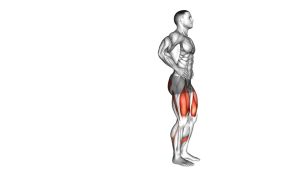
| Primary Muscle | Quadriceps (vastus lateralis, vastus medialis, vastus intermedius, and rectus femoris) |
| Secondary Muscle | Gluteus maximus, gluteus medius, gluteus minimus, hamstrings, adductors, calves, and core stabilizers |
| Equipment | Stable aerobic step platform or low exercise box; bodyweight resistance |
| Difficulty | Beginner to Intermediate, depending on step height, balance, and movement control |
Sets & Reps (By Goal)
Recommended Training Volume
- Beginner strength and control: Perform 2–3 sets of 6–8 repetitions per leg. Begin with a low platform and rest 60–90 seconds between sets. Above all, prioritize stable foot placement and smooth movement.
- Muscle hypertrophy: Complete 3–4 sets of 8–12 repetitions per leg. Use controlled repetitions and gradually increase resistance as needed. Additionally, maintain a steady lowering phase to challenge the quadriceps and glutes.
- Strength development: Perform 3–5 sets of 5–8 repetitions per leg. Once bodyweight technique becomes reliable, gradually introduce external resistance. However, avoid increasing load if balance or knee alignment becomes inconsistent.
- Balance and hip stability: Complete 2–3 sets of 8–10 repetitions per side. Pause briefly at the top while maintaining level hips. As a result, the stabilizing muscles receive additional coordination practice.
- Muscular endurance: Perform 2–4 sets of 12–20 controlled repetitions per leg. Alternatively, use 30–45-second intervals while keeping the stepping rhythm smooth and avoiding unnecessary speed.
- Rehab-style movement control: Start with 1–3 sets of 5–8 easy repetitions per leg, provided the exercise is appropriate. Use a low step and stable hand support. Furthermore, follow individualized guidance when recovering from an injury.
Progression rule: First, develop consistent balance and complete the prescribed repetitions without knee collapse. Next, improve the lowering tempo or increase repetitions. Only then consider a slightly higher platform or additional resistance. A controlled bodyweight repetition is more useful than a heavily loaded, unstable one.
Setup / Starting Position
Platform Placement and Body Alignment
- Select a suitable platform: Choose a stable aerobic step or low exercise box with a non-slip surface. Initially, use a height that allows comfortable knee and hip movement.
- Stand beside the platform: Position your body laterally next to the step, rather than directly in front of it. Keep both feet approximately hip-width apart and maintain a natural stance.
- Place the working foot on the step: Lift the leg nearest the platform and position the entire foot securely on its surface. Ensure the heel and forefoot remain supported.
- Maintain an upright posture: Keep the chest lifted, shoulders relaxed, and spine neutral. Meanwhile, allow a small natural forward torso inclination if needed for balance.
- Engage the core: Gently brace the abdominal muscles to reduce excessive torso movement. Additionally, keep the pelvis level instead of allowing one hip to drop.
- Align the working knee: Point the knee in approximately the same direction as the toes. Avoid excessive inward rotation or uncontrolled sideways movement.
- Prepare the supporting leg: Keep the foot remaining on the floor relaxed and ready to leave the ground. The elevated leg should produce most of the force during the upward phase.
Setup tip: If the platform height causes excessive hip shifting, knee discomfort, or unstable foot placement, choose a lower step. For additional safety, use a nearby fixed support when learning the exercise.
Execution (Step-by-Step)
Controlled Lateral Ascent and Descent
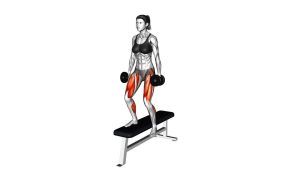
- Establish your starting position: Stand beside the platform with the working foot fully supported on top. Keep your torso upright and maintain balanced pressure through the elevated foot.
- Transfer weight onto the working leg: Gradually shift your bodyweight toward the elevated foot. As you do so, keep the knee aligned with the toes and avoid excessive pelvic rotation.
- Drive through the elevated foot: Press firmly through the midfoot and heel while maintaining forefoot contact. Consequently, the quadriceps and glutes generate the force required to lift your body upward.
- Extend the knee and hip: Straighten the working leg progressively as your body rises onto the platform. Meanwhile, keep the spine neutral and avoid using an exaggerated sideways torso lean.
- Bring the trailing leg upward: Allow the opposite foot to leave the floor as the working leg lifts your body. Then, bring it onto the platform or maintain it beside the body, depending on the chosen step-up variation.
- Reach a balanced top position: Stand tall with controlled knee and hip extension, without forcefully locking the joints. Briefly stabilize your posture while keeping the shoulders relaxed and pelvis level.
- Begin the lowering phase: Slowly bend the working knee and hip. At the same time, guide the free leg toward the floor beside the platform without dropping or bouncing.
- Control the descent: Lower your body smoothly until the opposite foot makes light contact with the ground. Importantly, avoid collapsing inward through the supporting knee.
- Reset for the next repetition: Return to a stable starting position and repeat with the same working leg. After completing the prescribed repetitions, switch sides to train the opposite leg.
Pro Tips & Common Mistakes
Improve Technique and Muscle Activation
- Keep the working foot fully supported: Avoid placing only the toes or forefoot on the step. Instead, distribute pressure across the whole foot for stability and effective force production.
- Prevent inward knee collapse: Keep the working knee moving in line with the toes. Otherwise, excessive knee movement may reduce control and increase unwanted joint stress.
- Avoid pushing excessively from the floor: Do not use the trailing leg to jump or launch yourself onto the platform. Instead, allow the elevated leg to perform most of the work.
- Maintain a stable pelvis: Avoid dropping one hip or leaning dramatically to the side. Additionally, engage the lateral hip stabilizers to maintain controlled lower-body alignment.
- Control the lowering phase: Take approximately 2–3 seconds to return toward the floor. Consequently, the working muscles remain active while balance and coordination improve.
- Use a manageable platform height: A step that is too high can cause excessive torso movement and compensation. Therefore, choose a height that allows consistent technique throughout every repetition.
- Keep the torso relatively upright: Some natural forward inclination is acceptable. However, avoid excessive bending or twisting to generate momentum. Your legs should remain responsible for most of the movement.
- Breathe naturally: Exhale during the upward effort and inhale while lowering. Meanwhile, avoid unnecessarily holding your breath during lighter bodyweight repetitions.
- Train both sides evenly: Begin with the less coordinated leg when appropriate. Then, match the repetition count on the opposite side rather than performing extra repetitions with the stronger leg.
- Prioritize movement quality: Stop the set when balance deteriorates or technique becomes inconsistent. After all, controlled repetitions are more valuable than completing additional repetitions with poor form.
Progression and Exercise Control
Once the basic lateral step-up feels stable, gradually increase the training challenge. For example, you can add repetitions, introduce a brief top-position pause, or slow the eccentric lowering phase. These changes increase difficulty without immediately adding external weight.
Subsequently, light dumbbells or a weighted vest may provide additional resistance. However, maintain the same controlled foot placement, knee tracking, and upright posture used during bodyweight training. If extra resistance causes instability, return to a simpler variation.
FAQ
Muscles Worked and Exercise Technique
What muscles does the Lateral Step-Up work?
The Lateral Step-Up primarily targets the quadriceps and gluteus maximus. Additionally, the gluteus medius, gluteus minimus, hamstrings, calves, and core muscles contribute to balance and lower-body stability.
Because the movement involves stepping upward from the side, the hip stabilizers help control pelvic position. As a result, the exercise combines lower-body strengthening with coordination and single-leg control.
What is the difference between a Lateral Step-Up and a regular Step-Up?
A traditional step-up generally begins directly in front of an elevated platform. In contrast, a lateral step-up begins beside the platform and involves approaching it from the side.
Both exercises strengthen the quadriceps and glutes. However, the lateral variation also challenges the muscles responsible for controlling side-to-side hip movement. Therefore, it can be useful for developing frontal-plane stability.
Should I feel Lateral Step-Ups in my quads or glutes?
Both muscle groups contribute to the movement. The quadriceps extend the knee, while the gluteus maximus assists hip extension. Meanwhile, the gluteus medius helps stabilize the pelvis.
The exact muscle emphasis depends on step height, joint angles, and technique. For example, higher steps generally require greater hip and knee movement. Nevertheless, use a manageable height rather than chasing a stronger muscle sensation.
Training Frequency and Common Problems
Is the Lateral Step-Up suitable for beginners?
Yes, beginners can perform lateral step-ups when the platform height matches their strength, mobility, and balance. Initially, use a low aerobic step and perform slow bodyweight repetitions.
Additionally, a fixed hand support can help improve confidence. Once movement control becomes consistent, gradually reduce assistance and increase the training challenge.
How many Lateral Step-Ups should I perform?
For general strength and muscle development, start with 2–4 sets of 8–12 repetitions per leg. However, beginners may benefit from fewer repetitions while learning proper movement mechanics.
Training frequency depends on your overall workout program and recovery. For example, two or three weekly lower-body sessions can include this exercise when training volume and recovery are managed appropriately.
Why do I lose balance during Lateral Step-Ups?
Balance difficulties may result from excessive platform height, weak hip stabilizers, rushed repetitions, or poor foot positioning. Additionally, leaning too far sideways can shift your center of mass outside the supporting foot.
To improve stability, lower the step and slow the movement. Furthermore, keep your core lightly engaged and focus on maintaining a level pelvis throughout the repetition.
Progression and Exercise Safety
Can I perform Lateral Step-Ups with dumbbells?
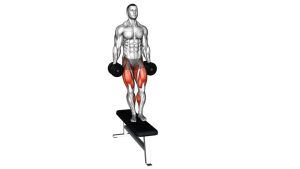
Yes, dumbbells can increase resistance once bodyweight repetitions become controlled and consistent. Hold a light dumbbell in each hand while maintaining relaxed shoulders and upright posture.
However, additional weight should not compromise knee alignment or balance. Therefore, increase resistance gradually and reduce the load whenever technique begins to deteriorate.
Can Lateral Step-Ups help improve hip stability?
Yes, the movement challenges the hip stabilizers as the body transfers weight onto one leg. In particular, the gluteus medius helps limit excessive pelvic drop and unwanted hip movement.
Furthermore, controlled step-ups can complement other single-leg exercises such as split squats and supported balance drills. Nevertheless, consistent technique and appropriate progression remain essential for meaningful improvement.
Who should be cautious when performing Lateral Step-Ups?
People with significant knee pain, hip discomfort, recent lower-body injuries, or substantial balance limitations should approach the exercise cautiously. In these situations, professional guidance may be appropriate.
Additionally, avoid using a high or unstable platform before establishing adequate control. If the movement produces sharp pain, dizziness, or increasing joint discomfort, stop the exercise and seek appropriate advice.
Recommended Equipment
- Adjustable Aerobic Step Platform — provides a stable, height-adjustable surface for lateral step-ups and other lower-body exercises. Additionally, the adjustable height supports gradual progression.
- Low Plyometric Step Box — offers an alternative elevated surface for controlled step-ups. Choose a model with sufficient stability, a suitable height, and a secure stepping surface.
- Hex Dumbbell Pair — adds progressive resistance after bodyweight technique has been mastered. Furthermore, dumbbells can support a wider lower-body strength routine.
- Mini Resistance Loop Bands — useful for complementary glute activation, lateral walks, and hip stability exercises. However, they are optional accessories rather than required step-up equipment.
- Adjustable Weighted Vest — provides additional resistance while leaving the hands free. Consequently, it can be a convenient progression option for experienced trainees with reliable balance.
Equipment tip: Prioritize a stable platform before purchasing additional resistance. In particular, check the manufacturer’s load rating, surface grip, and recommended usage. Furthermore, begin with bodyweight training and increase difficulty only when your technique remains comfortable and controlled.