Lying Flat Hip Raise: Proper Form, Lower Abs Tips & Common Mistakes
Learn the Lying Flat Hip Raise for lower abs and core control. Includes setup, step-by-step form, sets, tips, FAQs, and equipment.
Lying Flat Hip Raise
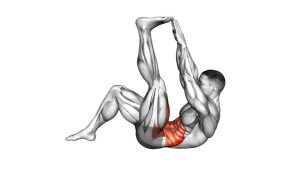
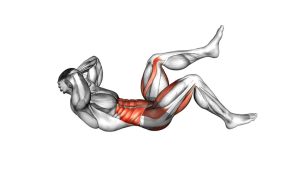
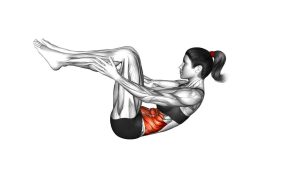
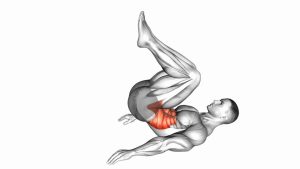
This exercise works best when the movement stays short, smooth, and strict. Because the legs remain mostly vertical, the goal is not to swing the feet backward. Instead, you should use your abs to curl the pelvis upward just enough to lift the hips from the floor. As a result, the exercise creates strong lower-ab tension without needing weights, machines, or complicated equipment.
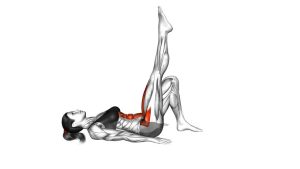
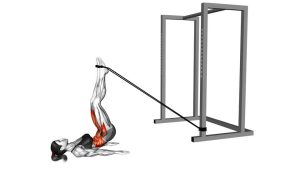
In the uploaded video, the exerciser lies flat, keeps both arms beside the body, holds the legs upward, and performs a compact hip lift with clear control. Therefore, this guide focuses on that exact visible movement pattern: legs up, arms down, hips lift, hips lower, and no momentum.
Quick Overview
| Body Part | Core |
|---|---|
| Primary Muscle | Rectus abdominis, especially the lower abdominal region |
| Secondary Muscle | Hip flexors, transverse abdominis, obliques, and deep core stabilizers |
| Equipment | No equipment required; optional exercise mat for comfort |
| Difficulty | Beginner to Intermediate, depending on control and leg position |
Sets & Reps (By Goal)
- Core activation: 2–3 sets × 8–12 reps with a slow, clean hip lift.
- Lower-ab strength: 3–4 sets × 10–15 reps with a 1-second pause at the top.
- Muscle endurance: 2–4 sets × 15–20 reps while maintaining steady breathing.
- Beginner control practice: 2 sets × 6–10 reps with extra rest between sets.
- Finisher option: 1–2 sets near technical fatigue, stopping before the hips swing.
Progression rule: Add reps first, then add a longer pause at the top. However, do not progress by swinging harder or lifting higher with momentum. Quality matters more than range.
Setup / Starting Position
- Lie flat on your back: Keep your head, shoulders, upper back, and lower torso supported by the floor or mat.
- Place your arms beside your body: Keep your palms down so your arms can provide light balance without pushing aggressively.
- Raise your legs upward: Bring both legs toward a vertical position above your hips, similar to the position shown in the video.
- Keep your feet close together: Maintain a stable leg position and avoid unnecessary separation or twisting.
- Brace your core gently: Before lifting, draw tension through the abs so the pelvis can move under control.
- Relax your neck and shoulders: Keep the upper body quiet and grounded throughout the full repetition.
Tip: If straight legs feel too difficult, slightly soften the knees while keeping the same hip-lift pattern. Nevertheless, avoid turning the movement into a knee tuck unless that is the intended variation.
Execution (Step-by-Step)
- Start with the legs vertical: Hold both legs above the hips while keeping your back flat and your arms grounded.
- Brace before you move: Tighten your abs lightly, then prepare to lift the pelvis without swinging the legs.
- Lift the hips upward: Use your lower abs to raise your hips slightly off the floor. The movement should be small and controlled.
- Keep the legs steady: Do not throw the legs toward your head. Instead, keep them mostly vertical as the hips lift.
- Pause at the top: Hold briefly when the hips reach the highest controlled point.
- Lower slowly: Return the hips to the floor with control rather than dropping down.
- Reset without bouncing: Once the hips touch down, stabilize your legs again before starting the next repetition.
Pro Tips & Common Mistakes
Pro Tips
- Think “hips up,” not “legs back”: This cue keeps the work in the abs instead of turning the rep into momentum.
- Use your arms lightly: Your hands can stabilize you, but they should not shove your body off the floor.
- Pause briefly at the top: A short pause increases control and makes the lower abs work harder.
- Lower with patience: The downward phase is just as important as the lift because it teaches core control.
- Keep your breathing steady: Exhale as the hips lift, then inhale as you lower back down.
Common Mistakes
- Swinging the legs: Momentum reduces abdominal tension and can stress the lower back.
- Lifting too high: A higher lift is not always better. Instead, use the highest position you can control.
- Dropping the hips: Lower slowly so the abs stay active through the full repetition.
- Pressing hard through the arms: Excessive arm drive makes the movement easier and less core-focused.
- Holding the breath: Breath-holding can create unnecessary tension, especially during higher-rep sets.
- Letting the neck tense: Keep the head relaxed and avoid lifting the chin or shoulders off the floor.
FAQ
What muscles does the Lying Flat Hip Raise work?
The exercise mainly targets the rectus abdominis, especially the lower abdominal region. In addition, the hip flexors, transverse abdominis, and obliques help stabilize the legs and pelvis during the movement.
Is the Lying Flat Hip Raise the same as a reverse crunch?
It is similar to a reverse crunch, but the visible version shown in the video uses a more vertical leg position and a smaller hip lift. Therefore, it can be described as a lying hip raise or a compact reverse-crunch variation.
Should my legs move backward during the exercise?
Only slightly, if at all. The main action should come from lifting the hips upward. If the legs swing far backward, you are likely using momentum instead of controlled abdominal contraction.
Why do I feel this in my hip flexors?
Some hip-flexor involvement is normal because your legs are held up. However, if the hip flexors dominate, bend the knees slightly, reduce the range, slow the movement, and focus on curling the pelvis upward with your abs.
Is this exercise good for beginners?
Yes, it can be beginner-friendly when performed with a small range of motion. Beginners should start with fewer reps, soft knees if needed, and a slow tempo. As control improves, the legs can stay straighter and the pause can become longer.
How do I make the Lying Flat Hip Raise harder?
First, slow down the lowering phase. Next, add a short pause at the top. After that, increase reps or keep the legs straighter. However, do not make it harder by swinging or bouncing.
Can I do this exercise every day?
You can practice it frequently if volume is low and your lower back feels good. For harder sets, perform it 2–4 times per week so your core can recover properly.
Recommended Equipment (Optional)
- Exercise Mat — adds comfort for your spine, hips, and shoulders during floor-based core work.
- Thick Yoga Mat — useful if you need extra cushioning while lying flat on hard floors.
- Adjustable Ankle Weights — optional advanced progression for stronger users who can already control bodyweight reps.
- Core Sliders — helpful for pairing this exercise with additional ab and hip-control movements.
- Resistance Bands Set — useful for building a complete core routine with anti-extension and anti-rotation drills.
Tip: Start with only a mat. Add ankle weights only when every rep stays smooth, controlled, and pain-free.