Kettlebell Plank Pass Through: Core Stability, Form, Sets & Tips
Learn the kettlebell plank pass through for stronger abs, obliques, shoulders, and anti-rotation control with step-by-step form tips.
Kettlebell Plank Pass Through
This exercise works best when the kettlebell stays close to the floor and the body stays quiet. Because one hand leaves the ground during each pass, your core must work harder to stop the torso from rotating. Therefore, the movement should feel controlled, steady, and deliberate rather than fast or momentum-based.
Quick Overview
| Body Part | Core |
|---|---|
| Primary Muscle | Abs and obliques |
| Secondary Muscle | Shoulders, chest, triceps, serratus anterior, glutes, lower back stabilizers |
| Equipment | Kettlebell and exercise mat |
| Difficulty | Intermediate |
Sets & Reps (By Goal)
- Core control: 3 sets × 6–8 passes per side with slow, strict form.
- Strength endurance: 3–4 sets × 8–12 passes per side with steady breathing.
- Anti-rotation training: 4 sets × 5–8 passes per side using a slightly heavier kettlebell.
- Conditioning finisher: 2–3 rounds × 30–45 seconds while keeping the hips level.
Progression rule: First improve control, then add reps, and only increase kettlebell weight when your hips stay stable throughout every pass.
Setup / Starting Position
- Place the kettlebell beside one hand: Set it slightly outside shoulder width so you can reach under your torso.
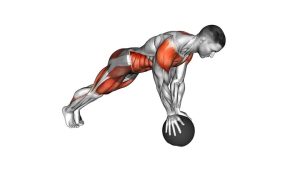
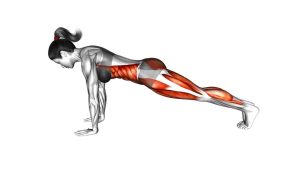
- Start in a high plank: Put your hands under your shoulders, straighten your arms, and extend your legs behind you.
- Widen your feet: Use a stance slightly wider than hip-width to help control rotation.
- Brace your midsection: Tighten your abs as if preparing for a light punch to the stomach.
- Keep your body aligned: Maintain a straight line from head to heels without letting the hips sag.
Tip: A wider foot stance makes the exercise easier. A narrower stance makes the anti-rotation demand much harder.
Execution (Step-by-Step)
- Lock in your plank: Press through the grounded hand, keep your shoulders stable, and brace before moving.
- Reach across the body: Lift the opposite hand and reach under your torso toward the kettlebell handle.
- Drag the kettlebell across: Pull it smoothly across the floor to the other side without lifting it high.
- Control your hips: Resist twisting as the weight moves under your body.
- Place the hand back down: Return to a strong two-hand plank before switching sides.
- Repeat on the other side: Reach with the opposite hand and drag the kettlebell back across.
Pro Tips & Common Mistakes
- Move slowly: A slower pass makes the core work harder and reduces momentum.
- Keep the kettlebell close: Drag it under the torso instead of reaching too far forward or backward.
- Avoid hip rotation: If your hips twist heavily, widen your feet or use a lighter kettlebell.
- Do not let the lower back sag: Brace your abs and squeeze your glutes to protect your spine.
- Press the floor away: Keep the supporting shoulder active so your chest does not collapse.
- Reset after each pass: Briefly regain full plank stability before pulling from the other side.
- Use the right kettlebell weight: Choose a load that challenges your core without forcing sloppy twisting.
FAQ
What muscles does the kettlebell plank pass through work?
It mainly works the abs and obliques. However, it also trains the shoulders, chest, triceps, serratus anterior, glutes, and lower back stabilizers because the body must stay rigid while the kettlebell moves side to side.
Is the kettlebell plank pass through good for abs?
Yes. It is especially effective for core stability because your abs must resist rotation while one hand leaves the floor. Therefore, it trains the core differently than standard crunches or sit-ups.
Should I lift or drag the kettlebell?
Drag the kettlebell across the floor. Lifting it too high can add unnecessary shoulder strain and reduce the smooth anti-rotation focus of the exercise.
How heavy should the kettlebell be?
Start light to moderate. The best weight is heavy enough to challenge your core, but light enough that you can keep your hips level and your plank position clean.
Why do my hips twist during this exercise?
Your hips may twist because the kettlebell is too heavy, your stance is too narrow, or your core is not braced before each pull. To fix this, widen your feet, slow down, and use a lighter kettlebell.
Recommended Equipment
- Cast Iron Kettlebell — the main tool for plank pass-throughs and full-body kettlebell training.
- Adjustable Kettlebell — useful if you want multiple weight options without buying several kettlebells.
- Exercise Mat — adds comfort for hands and feet while helping protect the floor.
- Non-Slip Workout Gloves — can improve grip comfort during high plank variations.
- Kettlebell Workout Floor Mat — helps reduce floor scratches when dragging the kettlebell side to side.
Tip: Use a kettlebell with a smooth handle and stable base. In addition, train on a surface where the kettlebell can slide safely without damaging the floor.