Sit-Up on Stability Ball: Proper Form, Core Benefits, Sets, Tips & FAQ
Learn the Sit-Up on Stability Ball to train abs with a deeper range of motion. Includes setup, step-by-step form, sets, mistakes, FAQs, and gear.
Sit-Up on Stability Ball
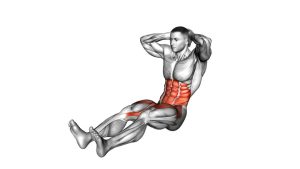
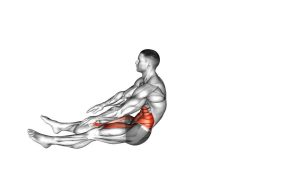
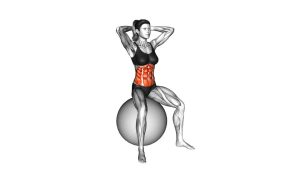
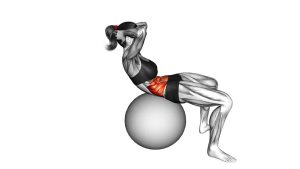
This exercise works best when the feet stay planted, the hips remain stable, and the torso curls from the abs rather than swinging forward with momentum. In the demonstrated movement, the body starts extended over the ball, then the upper torso flexes upward into a sit-up position before lowering back with control. As a result, the movement trains both abdominal contraction and eccentric control through a larger range than many basic crunch variations.
Quick Overview
| Body Part | Core |
|---|---|
| Primary Muscle | Rectus abdominis |
| Secondary Muscle | Obliques, transverse abdominis, hip flexors, spinal stabilizers |
| Equipment | Stability ball / Swiss ball |
| Difficulty | Beginner to intermediate, depending on range of motion and control |
Sets & Reps (By Goal)
- Core control: 2–3 sets × 8–12 reps with a slow, smooth tempo.
- Muscle endurance: 3–4 sets × 12–20 reps with consistent breathing.
- Strength focus: 3–4 sets × 8–10 reps with a longer squeeze at the top.
- Beginner practice: 1–2 sets × 6–10 reps using a smaller range of motion.
Progression rule: First improve control and range of motion. Then, add reps or slow the lowering phase before using external resistance.
Setup / Starting Position
- Choose the correct ball size: Use a stability ball that allows your feet to stay flat and your knees to remain comfortably bent.
- Sit on the ball: Walk your feet forward until the ball supports your lower-to-mid back.
- Plant your feet: Keep both feet flat on the floor, roughly hip-width apart, so your base feels stable.
- Set your hips: Keep the hips lifted and steady instead of letting them drop toward the floor.
- Place your hands: Position the hands behind the head lightly. However, do not pull the head forward.
- Extend over the ball: Allow the torso to lean back over the ball until you feel a controlled abdominal stretch.
Execution (Step-by-Step)
- Brace lightly: Before moving, tighten the abs enough to control your spine and keep the feet grounded.
- Curl upward: Lift the head, shoulders, and upper torso by contracting the abdominals.
- Avoid yanking the neck: Keep the hands behind the head only for support, not for pulling.
- Continue to the top: Curl until the torso reaches a strong seated position on the ball.
- Squeeze briefly: Pause at the top and feel the abs contract without collapsing the chest aggressively.
- Lower with control: Slowly extend the torso back over the ball, keeping the descent smooth.
- Reset and repeat: Return to the stretched starting position, then begin the next rep without bouncing.
Pro Tips & Common Mistakes
- Control the full range: The benefit comes from curling up and lowering back slowly over the ball.
- Keep the feet planted: Stable feet help prevent sliding and reduce unwanted momentum.
- Do not pull the head: Pulling can create neck discomfort and reduce abdominal focus.
- Avoid bouncing off the ball: Use muscular control instead of elastic rebound from the ball.
- Keep the hips steady: Excessive hip dropping changes the exercise and can stress the lower back.
- Exhale as you sit up: Breathing out during the curl can improve abdominal contraction.
- Lower slower than you lift: A controlled descent builds stronger eccentric core control.
- Use a smaller range if needed: Beginners should not force a deep backward extension before they can control it.
FAQ
What muscles does the sit-up on stability ball work?
The main target is the rectus abdominis. In addition, the obliques, transverse abdominis, hip flexors, and spinal stabilizers assist with control and balance.
Is the sit-up on stability ball better than a floor sit-up?
It is not automatically better, but it offers a larger range of motion because the torso can extend over the ball. Therefore, it can be useful when you want more abdominal stretch and control.
Should beginners do this exercise?
Yes, beginners can use it if they move slowly and keep the range comfortable. However, they should start with fewer reps and avoid leaning too far back at first.
Why do I feel this in my neck?
Neck strain usually happens when you pull the head with the hands or lead the movement with the chin. Instead, keep the hands light and let the abs curl the torso upward.
How do I make the sit-up on stability ball harder?
First, slow the lowering phase and increase the top squeeze. After that, you can hold a light weight across the chest only if your form stays stable.
How do I make it easier?
Move the ball slightly higher on your back, reduce the backward extension, and perform smaller controlled curls. Additionally, widen your foot stance for more balance.
Recommended Equipment
- Anti-Burst Stability Ball — the main tool needed for performing stability ball sit-ups safely and comfortably.
- Exercise Ball Pump — helps keep the ball properly inflated for better support and balance.
- Non-Slip Exercise Mat — improves foot grip and reduces sliding during the sit-up motion.
- Light Medicine Ball — useful for advanced progression once bodyweight reps are fully controlled.
- Adjustable Dumbbells — can be used for advanced weighted variations, held carefully at the chest.
Tip: Choose equipment that improves control first. For this exercise, ball stability and foot grip matter more than adding heavy resistance.