Sitting Core Tight Rotation: Form, Benefits, Sets, Tips & FAQ
Learn the Sitting Core Tight Rotation for controlled abs and oblique strength. Includes setup, form cues, sets, mistakes, FAQ, and equipment.
Sitting Core Tight Rotation
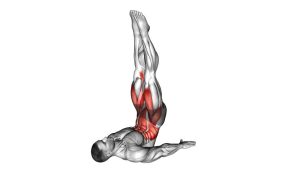
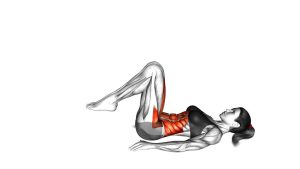
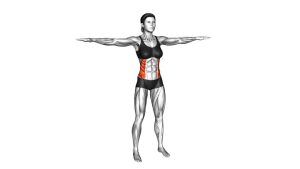
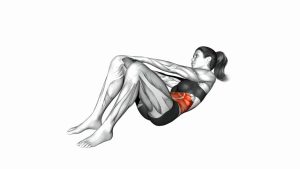
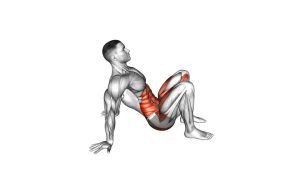
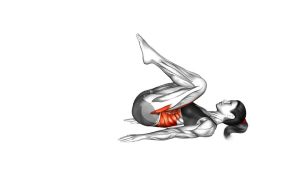
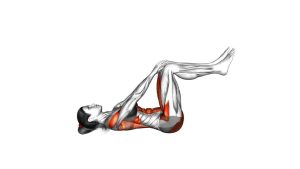
This exercise works best when every repetition stays smooth, small, and deliberate. Because the body is seated, the lower body should remain quiet while the torso rotates under control. In addition, the arms should move as part of the trunk rather than pulling the body from side to side. As a result, the movement becomes a focused core-control drill instead of a momentum-based twist.
Quick Overview
| Body Part | Core |
|---|---|
| Primary Muscle | Obliques and rectus abdominis |
| Secondary Muscle | Transverse abdominis, hip flexors, spinal stabilizers |
| Equipment | No equipment required; optional exercise mat |
| Difficulty | Beginner to intermediate, depending on lean angle and tempo |
Sets & Reps (By Goal)
- Core control: 2–3 sets × 8–12 rotations per side with a slow, steady tempo.
- Muscular endurance: 3–4 sets × 12–20 rotations per side with continuous tension.
- Beginner practice: 2 sets × 6–10 rotations per side with a smaller range of motion.
- Workout finisher: 2–3 rounds × 30–45 seconds while keeping the movement strict.
Progression rule: First improve control and posture. Then, increase reps, slow the tempo, or lean back slightly more. Do not progress by twisting faster or using momentum.
Setup / Starting Position
- Sit on the floor: Bend your knees and place your body in a balanced seated position.
- Lean back slightly: Keep your torso tall while creating enough angle to feel your abs engage.
- Keep the chest lifted: Avoid collapsing forward or rounding aggressively through the lower back.
- Bring the arms in tight: Hold your hands together or close in front of your torso.
- Brace gently: Tighten your core as if preparing for a controlled twist, not a hard crunch.
Based on the video, the movement appears bodyweight-only. No dumbbell, medicine ball, cable, or plate is visible.
Execution (Step-by-Step)
- Start centered: Sit tall, lean back slightly, and keep your arms close to your midline.
- Rotate to one side: Turn your torso in a compact range while keeping the arms connected to the body.
- Pause briefly: Stop at the end of the rotation without bouncing or dropping the chest.
- Return through center: Move smoothly back to the middle while maintaining abdominal tension.
- Rotate to the opposite side: Repeat the same tight motion with equal control and range.
- Continue alternating: Keep the lower body stable and avoid rushing the rhythm.
Pro Tips & Common Mistakes
- Keep the movement tight: A smaller controlled twist is better than a large, sloppy rotation.
- Avoid arm swinging: If your arms pull your body around, slow down and keep them closer to your chest.
- Stay slightly leaned back: This helps keep tension on the abs throughout the set.
- Do not collapse the spine: Maintain a long torso, even as your core works hard.
- Control the center position: Do not relax every time you pass through the middle.
- Match both sides: Rotate evenly to the left and right to build balanced core control.
- Breathe steadily: Exhale lightly during each rotation and avoid holding your breath for the full set.
FAQ
What muscles does the Sitting Core Tight Rotation work?
It mainly targets the obliques and rectus abdominis. In addition, the transverse abdominis, hip flexors, and spinal stabilizers help keep the body balanced while the torso rotates.
Is this the same as a Russian twist?
It is similar, but it appears more compact and controlled. A traditional Russian twist often uses a wider range or external load, while this version emphasizes a tighter torso rotation and steady core tension.
Should my feet be lifted or on the floor?
The video does not make the exact foot position fully clear. For beginners, keeping the feet lightly grounded is usually easier. Once you can control the movement, you may progress by reducing lower-body support.
Why do I feel this in my hip flexors?
A small amount of hip-flexor activity can happen because you are seated and slightly leaned back. However, if your hip flexors dominate, sit taller, reduce the lean angle, and use a smaller rotation.
How fast should I perform the exercise?
Use a controlled pace. Rotate, pause briefly, return through center, and rotate to the other side. Therefore, avoid fast twisting, bouncing, or using momentum to complete the reps.
Recommended Equipment (Optional)
- Exercise Mat — adds comfort and grip during seated floor core exercises.
- Thick Yoga Mat — useful if your tailbone or hips feel uncomfortable on hard flooring.
- Medicine Ball — optional progression once bodyweight rotation is fully controlled.
- Core Sliders — helpful for adding other controlled core stability drills to your routine.
- Resistance Bands Set — useful for rotational core training, anti-rotation drills, and warm-up work.
Tip: Start with no equipment first. Then, add tools only when you can rotate smoothly without swinging, collapsing, or losing balance.