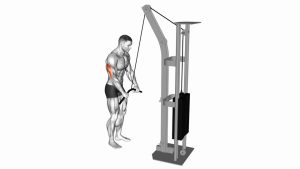
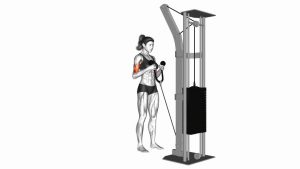
Cable EZ-Bar Biceps Curl: Proper Form, Muscles Worked, Sets, Tips & FAQ
Learn how to do the Cable EZ-Bar Biceps Curl with proper form to build stronger, fuller biceps. Includes muscles worked, setup, step-by-step execution, sets and reps by goal, common mistakes, FAQs, and recommended equipment.
Cable EZ-Bar Biceps Curl
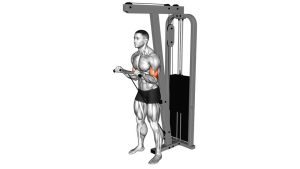
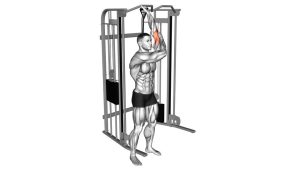
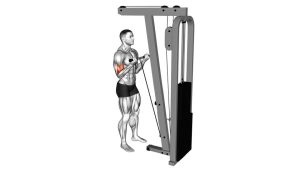
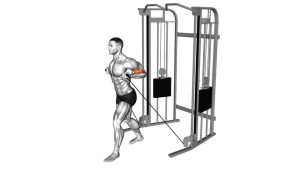
This exercise is best performed with a stable torso, fixed elbows, and a controlled tempo. The cable keeps the biceps working through the entire range of motion, including the bottom position where dumbbells often lose tension. You should feel the work mainly in the front of the upper arms, with minimal help from the shoulders or lower back.
Quick Overview
| Body Part | Biceps |
|---|---|
| Primary Muscle | Biceps brachii |
| Secondary Muscle | Brachialis, brachioradialis, forearm flexors |
| Equipment | Cable machine with EZ-bar (SZ-bar) attachment |
| Difficulty | Beginner to Intermediate |
Sets & Reps (By Goal)
- Muscle growth: 3–4 sets × 8–15 reps, 45–75 sec rest
- Strength focus: 4–5 sets × 6–8 reps, 75–120 sec rest
- Technique / mind-muscle connection: 2–3 sets × 10–15 reps, slow tempo, 45–60 sec rest
- Finisher / pump work: 2–3 sets × 12–20 reps, short rest, controlled squeeze
Progression rule: First improve rep quality and control, then add reps, then increase the load gradually while keeping the elbows stable and the torso quiet.
Setup / Starting Position
- Attach the EZ-bar: Connect an EZ-bar or SZ-bar handle to the low pulley of a cable machine.
- Choose your grip: Take the angled portions of the bar so the wrists feel natural and comfortable.
- Stand tall: Position yourself facing the machine with feet about hip-width apart and knees softly unlocked.
- Set the upper body: Keep your chest up, shoulders down, and core braced.
- Start with arms extended: Let the bar hang near the thighs with elbows tucked close to the torso.
Tip: Step back just enough to keep the cable under tension at the bottom without pulling you forward.
Execution (Step-by-Step)
- Brace and lock in: Stand upright and keep your upper arms still before starting the rep.
- Initiate the curl: Bend at the elbows and pull the bar upward using your biceps, not body momentum.
- Keep elbows pinned: Let the forearms move while the elbows stay close to the sides.
- Lift to the top: Curl until the bar approaches the upper waist or lower chest area, depending on arm length and machine setup.
- Squeeze the biceps: Pause briefly at peak contraction without shrugging the shoulders.
- Lower under control: Slowly return the bar to the starting position, fully extending the arms while maintaining tension.
- Repeat smoothly: Perform the next rep without bouncing or relaxing completely at the bottom.
Pro Tips & Common Mistakes
- Keep the elbows fixed: If they drift forward too much, the front delts begin to take over.
- Use the cable tension: Don’t rush the bottom; the constant resistance is one of the biggest benefits of this variation.
- Control the eccentric: Lowering slowly often improves biceps growth and technique.
- Don’t swing the torso: Excessive body English reduces isolation and shifts stress away from the biceps.
- Stay neutral at the wrists: Avoid excessive curling of the wrists to keep tension where it belongs.
- Squeeze without shrugging: The top position should be a biceps squeeze, not a shoulder lift.
- Use a full useful range: Extend the arms at the bottom and contract fully at the top without losing posture.
FAQ
What muscles does the Cable EZ-Bar Biceps Curl work?
It mainly targets the biceps brachii, while the brachialis, brachioradialis, and forearm muscles assist during the curl.
Why use an EZ-bar instead of a straight bar on cable curls?
Many lifters find the angled grip of an EZ-bar more comfortable on the wrists and elbows. It can make strict curling feel smoother while still allowing a strong contraction.
Is this better than dumbbell curls?
Not always better, but different. Cable curls provide more constant tension, while dumbbells offer freedom of movement and unilateral control. Both can work very well in a biceps program.
Should I fully extend my arms at the bottom?
Yes, in most cases you should return to near-full extension to train a full range of motion. Just avoid relaxing so much that you lose tension or posture between reps.
How heavy should I go on Cable EZ-Bar Biceps Curls?
Use a weight that lets you keep your elbows close to your sides and lower the bar under control. If you need to swing, lean back, or shorten the range, reduce the load.
Recommended Equipment
- EZ-Bar Cable Attachment — the key handle for performing this variation comfortably and efficiently
- Cable Rope Attachment — useful for adding hammer-style cable curls and arm training variety
- Weightlifting Straps — helpful if grip fatigue limits longer high-rep cable sets
- Elbow Sleeves — can provide warmth and comfort during higher-volume arm sessions
- Adjustable Bench — useful for pairing curls with preacher or incline arm variations in the same workout
Tip: For pure biceps work, prioritize a quality cable attachment and smooth reps before adding supportive accessories.