Old-School Reverse Extension: Proper Form, Sets, Muscles Worked & FAQ
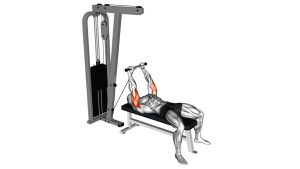
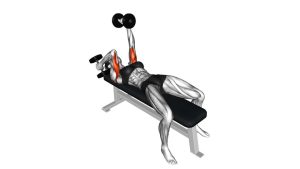
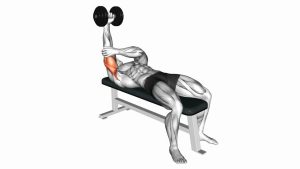
Learn how to do the Old-School Reverse Extension with proper form to target the triceps through a deep stretch and controlled elbow extension. Includes muscles worked, setup, sets and reps, common mistakes, FAQ, and recommended equipment.
Old-School Reverse Extension
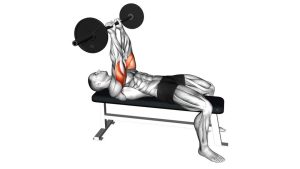
This exercise works best when you treat it like a precision-based upper-arm movement instead of a heavy compound lift. The goal is to load the triceps through a deep stretch and a smooth extension without turning the rep into a press. A moderate weight, stable elbow path, and controlled tempo will usually produce better results than chasing heavy reps.
Quick Overview
| Body Part | Triceps |
|---|---|
| Primary Muscle | Triceps brachii (especially the long head) |
| Secondary Muscle | Anconeus, forearms, and shoulder stabilizers |
| Equipment | Barbell, flat bench, optional EZ-bar, collars |
| Difficulty | Intermediate |
Sets & Reps (By Goal)
- Muscle growth: 3–4 sets × 8–12 reps with controlled tempo and 60–90 seconds rest
- Strength-focused triceps work: 4–5 sets × 5–8 reps with strict form and 90–120 seconds rest
- Technique and stretch emphasis: 2–3 sets × 10–15 reps with lighter weight and smooth control
- Accessory work after pressing: 2–4 sets × 8–12 reps with moderate load and clean reps
Progression rule: Increase weight only when you can control the lowering phase, keep the elbows from flaring excessively, and complete every rep without turning the movement into a chest press.
Setup / Starting Position
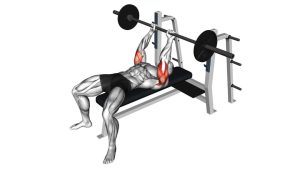
- Lie flat on a bench: Plant your feet firmly on the floor and keep your torso stable.
- Grip the barbell securely: Use a narrow to shoulder-width grip that feels comfortable on the wrists and elbows.
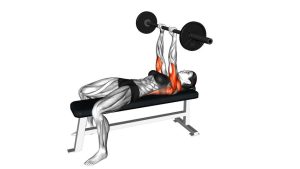
- Start with the bar above the upper chest or face line: Arms should be nearly extended, but not locked aggressively.
- Set the upper arms: Angle them slightly backward so the bar can travel behind the head during the lowering phase.
- Brace lightly: Keep your core engaged and shoulders packed into the bench for stability.
Tip: Many lifters find an EZ-bar more elbow-friendly than a straight bar for this movement.
Execution (Step-by-Step)
- Begin the eccentric: Bend your elbows and lower the bar in a controlled arc behind your head.
- Keep the upper arms steady: Let the elbows flex deeply, but avoid excessive shoulder movement or flaring.
- Reach the stretched position: Lower until you feel a strong but comfortable stretch in the triceps.
- Extend the elbows: Drive the bar back up by straightening your arms without pressing from the chest or shoulders.
- Finish under tension: Stop just short of relaxing completely at the top, then begin the next rep smoothly.
Pro Tips & Common Mistakes
- Use a controlled lowering phase: The stretch is one of the biggest benefits of this exercise.
- Don’t let the elbows flare wildly: A small natural flare is normal, but excessive movement reduces isolation.
- Avoid turning it into a press: The motion should come mainly from elbow extension, not shoulder drive.
- Choose the right weight: Moderate loads usually work better than heavy loads for clean triceps tension.
- Keep wrists neutral: Letting the wrists fold back can create unnecessary strain.
- Pause briefly in the stretched position: A short, controlled pause can improve tension and technique.
FAQ
What muscles does the Old-School Reverse Extension work?
It mainly targets the triceps brachii, especially the long head, because of the deep elbow flexion and behind-the-head stretch position.
Is this exercise better with a barbell or EZ-bar?
Both can work well, but many people prefer an EZ-bar because it often feels more comfortable on the wrists and elbows. A straight bar can still be effective if your joints tolerate it well.
Should I lower the bar to my forehead or behind my head?
For this variation, the bar usually travels behind the head to create more stretch on the triceps. Just make sure the path stays controlled and pain-free.
Can beginners do the Old-School Reverse Extension?
Beginners can learn it, but it is usually better suited to intermediate lifters who already have decent elbow control and experience with triceps extensions.
How heavy should I go on this movement?
Use a weight that lets you maintain a slow lowering phase, a strong stretch, and strict elbow extension. In most cases, quality reps beat heavy reps on this exercise.
Recommended Equipment
- EZ Curl Bar — often more comfortable than a straight bar for triceps extension variations
- Flat Weight Bench — provides the stable base needed for lying triceps work
- Barbell Spring Collars — helps keep plates secure during controlled extension work
- Weightlifting Gloves or Grip Aids — useful if your grip slips or your hands fatigue before your triceps do
- Elbow Sleeves — optional support for lifters who want extra warmth and comfort around the elbow joint
Tip: If a straight bar bothers your wrists or elbows, switching to an EZ-bar is often the simplest upgrade.