Side Wrist Pull Stretch: Forearm Flexibility, Form, Tips & FAQ
Learn the Side Wrist Pull Stretch to improve wrist mobility, reduce forearm tightness, and stretch the wrist extensors with proper setup, form cues, mistakes, FAQs, and equipment.
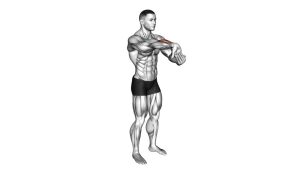
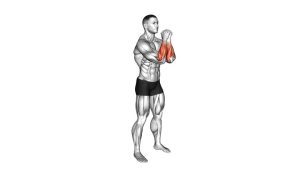
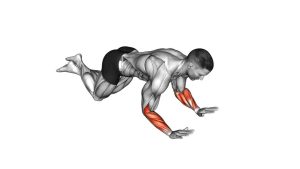
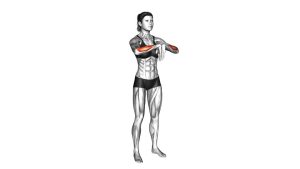
Side Wrist Pull Stretch
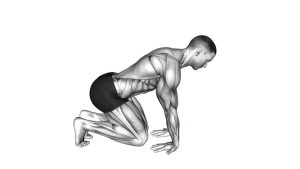
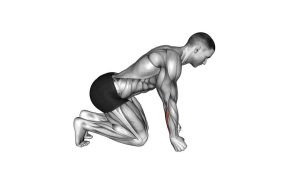
This movement is best used as a warm-up, cooldown, desk-break stretch, or recovery drill after grip-heavy exercises such as curls, rows, pull-ups, wrist curls, reverse curls, or forearm training. The goal is not to force the wrist into maximum range. Instead, create steady, mild-to-moderate tension across the top of the forearm while keeping the rest of the body calm and stable.
Quick Overview
| Body Part | Forearms |
|---|---|
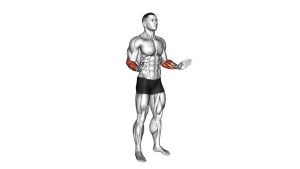
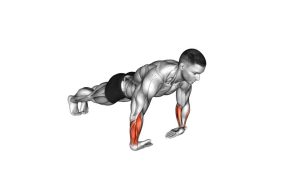
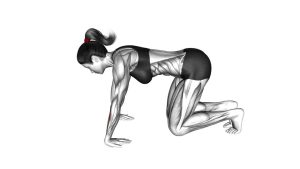
| Primary Muscle | Wrist extensors |
| Secondary Muscle | Finger extensors, hand fascia, wrist joint stabilizers |
| Equipment | No equipment required |
| Difficulty | Beginner |
Sets & Reps (By Goal)
- General mobility: 2–3 sets × 15–30 seconds per side
- Warm-up before training: 1–2 sets × 10–20 seconds per side with light tension
- Cooldown after forearm work: 2–4 sets × 20–40 seconds per side
- Desk or typing recovery: 1–3 easy holds × 15–25 seconds per side
- Flexibility focus: 3–4 sets × 30–45 seconds per side, controlled and pain-free
Progression rule: Increase hold time before increasing stretch intensity. A better stretch is usually smoother, calmer, and more consistent—not more aggressive.
Setup / Starting Position
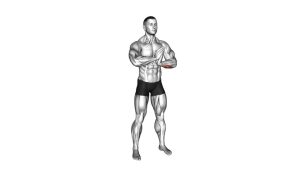
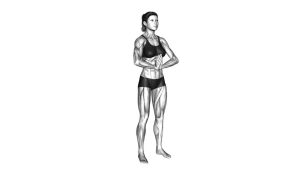
- Stand tall: Keep your chest lifted, ribs controlled, and feet about hip-width to shoulder-width apart.
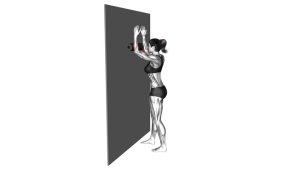
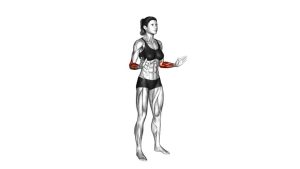
- Extend one arm to the side: Raise the working arm to about shoulder height with the elbow straight but not forced.
- Set the palm position: Point the palm downward or slightly forward depending on comfort.
- Use the opposite hand: Place the assisting hand over the fingers or palm of the extended arm.
- Relax the shoulder: Keep the neck long and avoid shrugging, leaning, or twisting the torso.
The arm should stay long and steady. If the shoulder feels tense, lower the arm slightly and use a lighter pull.
Execution (Step-by-Step)
- Begin in a stable position: Stand upright with one arm extended to the side at shoulder height.
- Grip the fingers gently: Use the opposite hand to hold the fingers of the working hand.
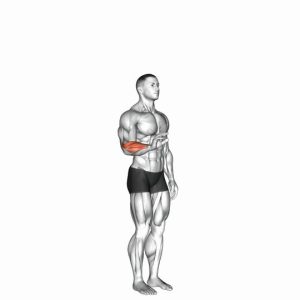
- Pull the wrist downward: Slowly guide the fingers toward the floor to bend the wrist into flexion.
- Find the stretch: Stop when you feel a clear stretch across the top of the forearm and wrist.
- Hold with control: Maintain steady tension while breathing normally and keeping the shoulder relaxed.
- Release slowly: Let the wrist return to neutral without snapping back.
- Switch sides: Repeat the same controlled stretch on the opposite arm.
Pro Tips & Common Mistakes
- Keep the elbow straight: A bent elbow reduces the stretch through the forearm extensors.
- Avoid bouncing: Hold the stretch steadily instead of pulsing aggressively.
- Do not force the fingers: Use light assistance and stop before pain or numbness appears.
- Relax the shoulder: Shrugging creates unnecessary neck and trap tension.
- Keep the arm at a comfortable height: Shoulder height is ideal, but slightly lower is fine if it feels better.
- Breathe slowly: Calm breathing helps reduce guarding and improves stretch quality.
- Stretch both sides: Even if one forearm feels tighter, train both sides for balance.
- Use it after gripping work: This stretch pairs well after dumbbell curls, rows, pull-ups, farmer carries, and wrist training.
FAQ
What muscles does the Side Wrist Pull Stretch target?
It mainly stretches the wrist extensor muscles on the top side of the forearm. These muscles help extend the wrist and fingers and often become tight from typing, gripping, lifting, and repetitive hand use.
Where should I feel this stretch?
You should feel it across the top of the forearm and sometimes into the back of the wrist or hand. You should not feel sharp pain, tingling, numbness, or strong joint pressure.
Is this good after forearm workouts?
Yes. It works well after grip-heavy or forearm-focused sessions because it helps reduce tension in the wrist extensors and supports better wrist comfort after training.
How long should I hold the stretch?
Most people can start with 15–30 seconds per side. For deeper flexibility work, use 30–45 seconds, but only if the stretch stays comfortable and controlled.
Should I do this stretch every day?
You can perform it daily if it feels good and does not cause irritation. Keep the intensity moderate and avoid forcing the wrist into painful positions.
Recommended Equipment
- Wrist Stretching Strap — useful for gentle assisted wrist and forearm mobility work
- Forearm Massage Roller — helps release tight forearm tissue before or after stretching
- Hand Therapy Massage Ball — good for palm, wrist, and forearm recovery work
- Wrist Support Brace — provides light support during recovery periods when needed
- Adjustable Hand Grip Strengthener — useful for pairing mobility work with controlled grip strengthening
Tip: Equipment is optional. For this stretch, your opposite hand is enough. Use tools only if they improve comfort and control.