Bottle Weighted Two-Arms Kickback: Form, Muscles, Sets, Tips & FAQ
Learn how to do the Bottle Weighted Two-Arms Kickback with proper form. Build stronger triceps using a weighted bottle with setup, execution steps, tips, mistakes, FAQs, and equipment.
Bottle Weighted Two-Arms Kickback
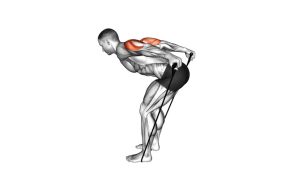
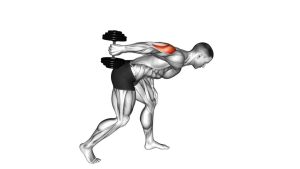
This exercise targets the triceps brachii, especially when the elbows stay fixed and the forearms extend backward without swinging. The weighted bottle creates resistance as the arms straighten behind the body, making the triceps work hardest near the fully extended position. For best results, keep your torso stable, spine neutral, elbows slightly behind the ribs, and shoulders relaxed.
The key is not to lift the bottle with momentum. Instead, treat every repetition like a controlled squeeze. Move through a small but clean range of motion, pause briefly when the arms are straight, then return slowly until the elbows bend again. This keeps tension on the triceps and prevents the shoulders or lower back from taking over.
Quick Overview
| Body Part | Arms |
|---|---|
| Primary Muscle | Triceps brachii |
| Secondary Muscle | Rear deltoids, upper back stabilizers, core, forearms |
| Equipment | Weighted bottle, water jug, sand-filled bottle, or light household weight |
| Difficulty | Beginner to Intermediate |
Sets & Reps (By Goal)
- Muscle endurance: 2–4 sets × 15–25 reps with light resistance and short rest.
- Triceps definition: 3–4 sets × 12–18 reps with a strong squeeze at the top.
- Strength control: 3–5 sets × 8–12 reps using a heavier bottle while maintaining strict form.
- Beginner technique practice: 2–3 sets × 10–15 reps at a slow tempo.
- Home arm finisher: 1–3 sets × 20–30 reps after push-ups, dips, or pressing exercises.
Progression rule: First improve control, pause time, and rep quality. After that, increase bottle weight slightly or slow the lowering phase to create more triceps tension.
Setup / Starting Position
- Choose your load: Use a bottle, jug, or container that has enough weight to challenge the triceps without pulling your shoulders or back out of position.
- Stand tall first: Place your feet around hip-to-shoulder width apart and hold the bottle with both hands using a secure grip.
- Hinge at the hips: Push your hips back and lean your torso forward while keeping your spine long and neutral.
- Soften the knees: Bend the knees slightly so your lower back does not carry the whole position.
- Set the upper arms: Pull your elbows close to your sides and position them slightly behind the torso.
- Brace gently: Keep your ribs controlled, core active, and shoulders away from your ears.
- Start with bent elbows: Let the forearms angle forward while the upper arms remain fixed beside your body.
Your starting position should feel stable before the first rep begins. If your torso moves, your elbows drop, or your back rounds, reduce the load and reset.
Execution (Step-by-Step)
- Set your hinge: Keep your chest angled toward the floor, back neutral, and eyes looking slightly ahead of the ground.
- Lock in the elbows: Hold the elbows close to the ribs and slightly behind the torso. This position should stay almost unchanged during the rep.
- Extend the arms backward: Straighten your elbows by driving the bottle backward until your arms are nearly fully extended.
- Squeeze the triceps: Pause briefly at the top and contract the back of the upper arms without shrugging or jerking.
- Keep wrists neutral: Do not bend the wrists aggressively. Let the hands follow the bottle naturally while maintaining control.
- Lower slowly: Bend the elbows and allow the bottle to return forward under control.
- Stop before relaxing: Return to the starting position without letting the elbows drop or the shoulders roll forward.
- Repeat with rhythm: Use a smooth tempo: extend, squeeze, lower, reset.
Pro Tips & Common Mistakes
Pro Tips
- Keep the elbows high: The triceps work better when the upper arms stay slightly behind the body.
- Pause at full extension: A short squeeze at the top improves muscle connection and prevents rushed reps.
- Use a controlled bottle weight: A lighter bottle with strict form is better than a heavy bottle with swinging.
- Brace your core: A stable torso allows the triceps to do the work instead of the lower back.
- Think “forearms move, upper arms stay”: This cue helps isolate elbow extension.
- Exhale as you extend: Breathing out during the kickback can help maintain control and tension.
Common Mistakes
- Swinging the bottle: Momentum reduces triceps tension and makes the exercise less effective.
- Dropping the elbows: When the elbows fall, the movement turns into a partial row instead of a triceps kickback.
- Standing too upright: A shallow hinge limits the resistance angle and reduces the top contraction.
- Rounding the back: Poor posture can shift stress to the lower back. Keep the spine long and ribs controlled.
- Over-locking the elbows: Straighten the arms firmly, but do not snap the elbows aggressively.
- Using an unstable grip: Make sure the bottle is secure before starting each set.
FAQ
What muscles does the Bottle Weighted Two-Arms Kickback work?
The main muscle worked is the triceps brachii, which straightens the elbow. The rear delts, upper back, core, and forearms assist by stabilizing your posture and grip.
Is this exercise good for beginners?
Yes. It is beginner-friendly when performed with a light bottle and strict control. Beginners should focus on keeping the elbows fixed, moving slowly, and avoiding momentum.
Can I build triceps with a bottle?
Yes. A bottle can build triceps endurance, control, and definition, especially when reps are slow and the top position is squeezed. For long-term strength progress, increase resistance gradually.
How heavy should the bottle be?
Choose a weight that allows clean repetitions without swinging. Many people can start with a water bottle or small jug, then progress to a larger filled bottle when form stays stable.
Why do I feel this in my shoulders instead of my triceps?
This usually happens when the elbows move too much or the shoulders swing the bottle backward. Keep the upper arms fixed and focus on straightening only the elbows.
Should I fully straighten my elbows?
You should extend close to full lockout and squeeze the triceps, but avoid snapping or forcing the elbow joint. The finish should feel muscular, not painful or jammed.
Can I do this exercise every day?
You can perform light technique sets often, but harder triceps training should usually allow recovery. If your elbows or triceps feel sore, reduce volume or take a rest day.
Recommended Equipment
- Adjustable Dumbbell Set — a better long-term option when you outgrow the bottle resistance.
- Water-Filled Workout Weight — useful for home training because the load can often be adjusted by filling level.
- Resistance Bands with Handles — excellent for triceps pressdowns, kickbacks, and home arm workouts.
- Exercise Mat — helpful for warm-ups, mobility drills, and floor-based arm training sessions.
- Weightlifting Gloves — improves grip comfort when holding bottles, dumbbells, or resistance handles.
Tip: The best equipment is the one you can control safely. For this exercise, stability and clean elbow extension matter more than heavy loading.