Band Jackknife Sit-Up: Form, Benefits, Sets, Tips & FAQ
Learn the Band Jackknife Sit-Up for stronger abs, better core compression, and controlled resistance training. Includes form, sets, mistakes, FAQ, and equipment.
Band Jackknife Sit-Up
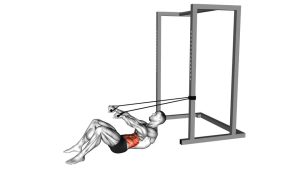
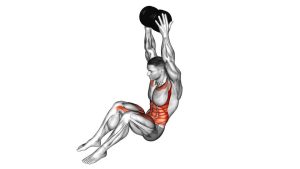
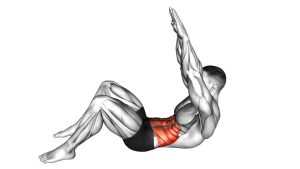
This exercise is best for lifters who already understand basic core control. It challenges the rectus abdominis, hip flexors, and deep stabilizers while also teaching coordinated movement between the upper and lower body. Because the resistance band creates tension as the arms travel forward, the abs must work harder to lift, fold, and control the body.
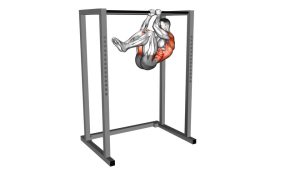
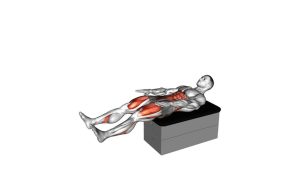
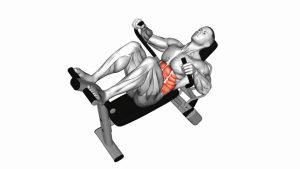
The movement begins from a long lying position. Then the torso curls upward as the legs rise toward the hands. At the top, the body forms a compact jackknife shape. After that, the exerciser lowers slowly while resisting the band and gravity. This controlled return is just as important as the lift because it trains the core to fight extension.
Quick Overview
| Body Part | Core |
|---|---|
| Primary Muscle | Rectus abdominis |
| Secondary Muscle | Hip flexors, obliques, transverse abdominis, shoulders, lats |
| Equipment | Resistance band and secure anchor point |
| Difficulty | Intermediate to advanced |
Sets & Reps (By Goal)
- Core strength: 3–4 sets × 6–10 reps with slow, controlled lowering.
- Muscle building: 3–4 sets × 8–12 reps using moderate band tension.
- Core endurance: 2–3 sets × 12–15 reps with a lighter band and steady breathing.
- Skill control: 2–3 sets × 5–8 reps with a 1-second pause at the top.
- Home ab workout finisher: 2 sets × near-technical failure while keeping perfect form.
Progression rule: Add reps before adding band resistance. Once every rep is smooth, increase tension slightly or slow down the lowering phase.
Setup / Starting Position
- Anchor the band securely: Attach the resistance band behind your head or above the body so it stays stable throughout the full repetition.
- Lie on your back: Extend your legs forward and reach your arms overhead while holding the band handles or the band itself.
- Create light tension: Move far enough from the anchor so the band is not loose, but do not start with excessive resistance.
- Brace your core: Gently pull the ribs down and tighten the abs before the first rep.
- Set your legs: Keep the legs straight or slightly bent depending on your flexibility and core strength.
- Relax your neck: Keep the chin slightly tucked and avoid pulling the head forward aggressively.
Start with a lighter band if you are learning the movement. Heavy resistance can cause swinging, neck tension, or poor lower-back control.
Execution (Step-by-Step)
- Begin from the extended position: Keep your arms overhead, legs long, and core lightly braced.
- Start the fold: Lift your shoulders from the floor while raising your legs at the same time.
- Pull the band forward: Bring your arms toward your legs as your torso curls upward.
- Form the jackknife shape: Bring the hands and feet closer together without swinging or bouncing.
- Pause briefly at the top: Squeeze the abs and keep the movement balanced.
- Lower under control: Slowly unfold the body as the arms return overhead and the legs lower toward the floor.
- Reset before the next rep: Do not relax completely or let the band pull you out of position.
Pro Tips & Common Mistakes
Pro Tips
- Move both halves together: Lift the torso and legs at the same time for a true jackknife pattern.
- Control the descent: The lowering phase builds serious core strength when performed slowly.
- Keep the ribs down: Do not let the lower back arch aggressively at the bottom.
- Use the band as resistance, not momentum: Pull with control instead of yanking the band forward.
- Breathe with rhythm: Exhale as you fold up, then inhale as you return with control.
- Adjust knee bend: Bend the knees slightly if straight legs make the lower back lift too much.
Common Mistakes
- Swinging the legs: This reduces abdominal tension and shifts the work into the hip flexors.
- Dropping too fast: A rushed descent can stress the lower back and reduce training quality.
- Using too much band tension: Excess resistance may pull the shoulders and neck out of position.
- Pulling the neck forward: Keep the head relaxed and let the abs lift the torso.
- Arching at the bottom: Maintain core tension before starting the next rep.
- Chasing height over control: A slightly smaller but cleaner rep is better than a high, sloppy fold.
FAQ
What muscles does the Band Jackknife Sit-Up work?
The main muscle is the rectus abdominis. The hip flexors, obliques, transverse abdominis, shoulders, and lats also assist during the lift and controlled lowering phase.
Is the Band Jackknife Sit-Up beginner-friendly?
It is usually better for intermediate and advanced trainees. Beginners should first master dead bugs, reverse crunches, regular sit-ups, and basic V-up progressions before adding band resistance.
Should my legs stay straight during the exercise?
Straight legs make the exercise harder. If your lower back arches or your hip flexors dominate, bend the knees slightly and focus on a smoother abdominal contraction.
Why does my lower back hurt during band jackknife sit-ups?
Lower-back discomfort often happens when the abs lose control near the bottom position. Use a lighter band, bend the knees, reduce range of motion, and lower more slowly.
How can I make the Band Jackknife Sit-Up harder?
You can use a stronger band, slow the lowering phase, pause at the top, keep the legs straighter, or perform more controlled reps. Increase only one challenge at a time.
Can I use this exercise for lower abs?
Yes, it strongly challenges the lower portion of the abdominal wall because the legs lift and lower under control. However, the entire rectus abdominis works as one unit during the movement.
Recommended Equipment
- Resistance Bands with Handles — useful for controlled band jackknife sit-ups and many home core exercises.
- Door Anchor for Resistance Bands — helps secure the band safely behind or above the body.
- Thick Exercise Mat — protects the spine and hips during lying core movements.
- Loop Resistance Bands Set — offers different resistance levels for progressions and accessory core drills.
- Adjustable Ankle Weights — optional advanced progression once bodyweight and band reps are controlled.
Choose equipment that allows smooth movement and safe anchoring. Avoid heavy resistance until you can complete every rep without swinging, neck strain, or lower-back arching.