Weighted Russian Twist: Core Rotation Form, Sets, Tips & FAQ
Learn the Weighted Russian Twist for stronger obliques, rotational core control, and better trunk stability with setup, form tips, FAQs, and gear.
Weighted Russian Twist
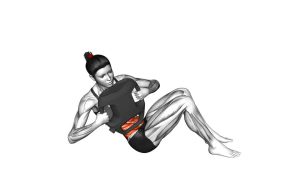
This exercise is best performed with a controlled tempo and a weight that allows full trunk control. When done well, the shoulders, chest, and weight rotate together as one unit. Your lower body should stay quiet while your torso turns through a manageable range. Choose a lighter load if your feet swing, your lower back rounds, or your arms start doing most of the work.
Quick Overview
| Body Part | Core |
|---|---|
| Primary Muscle | Obliques |
| Secondary Muscle | Rectus abdominis, transverse abdominis, hip flexors, lower-back stabilizers |
| Equipment | Dumbbell, weight plate, kettlebell, or medicine ball |
| Difficulty | Intermediate |
Sets & Reps (By Goal)
- Core control: 2–3 sets × 8–12 reps per side with a slow, clean rotation.
- Muscular endurance: 3–4 sets × 12–20 reps per side using a light-to-moderate weight.
- Strength focus: 3–5 sets × 6–10 reps per side with a controlled heavier load.
- Finisher: 2–3 rounds × 30–45 seconds while keeping the spine stable and the rhythm consistent.
Progression rule: Increase control before increasing weight. Add load only when your torso rotates smoothly, your hips stay stable, and your lower back does not collapse.
Setup / Starting Position
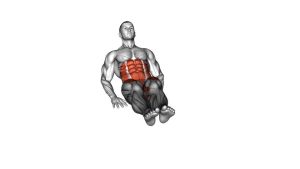
- Sit on the floor: Bend your knees and place your feet on the ground. Advanced lifters may raise the feet slightly.
- Lean back slightly: Create a strong V-shaped position between your torso and thighs without rounding your lower back.
- Hold the weight close: Keep the dumbbell, plate, or medicine ball near your chest or upper abdomen.
- Brace your core: Tighten your midsection as if preparing for a light punch to the stomach.
- Set your shoulders: Keep your chest open, neck neutral, and shoulders relaxed away from your ears.
Tip: Beginners should keep the heels lightly on the floor. This gives more stability and reduces unnecessary hip flexor dominance.
Execution (Step-by-Step)
- Start in the center: Hold the weight close to your body and maintain a slight backward lean.
- Rotate to one side: Turn your ribs, shoulders, and weight together toward one hip.
- Control the end range: Pause briefly without dropping the chest or twisting aggressively through the lower back.
- Return through center: Bring the weight back across your body with steady abdominal tension.
- Rotate to the opposite side: Repeat the same controlled motion toward the other hip.
- Keep the rhythm smooth: Continue alternating sides without bouncing, rushing, or letting the legs swing.
Pro Tips & Common Mistakes
- Rotate from the torso: Turn your rib cage instead of only moving your hands from side to side.
- Keep the weight close: A closer load is easier to control and safer for the lower back.
- Avoid rounding the spine: Stay tall through the chest while keeping the abs braced.
- Do not rush: Fast reps usually reduce oblique tension and increase swinging.
- Limit lower-body movement: Keep the hips quiet so the core handles the rotation.
- Use a smart range: Rotate only as far as you can control without pain or compensation.
- Breathe with control: Exhale slightly as you rotate, then inhale as you pass through center.
FAQ
What muscles does the Weighted Russian Twist work?
The main muscles are the internal and external obliques. The rectus abdominis, transverse abdominis, hip flexors, and lower-back stabilizers also help maintain posture and control.
Should my feet be on the floor or lifted?
Keeping the feet on the floor is better for beginners because it improves balance and control. Lifting the feet makes the exercise harder, but it should only be used when your spine stays stable and your rotation remains smooth.
Is the Weighted Russian Twist good for abs?
Yes. It trains the abs through rotation and stabilization. However, it works best when paired with other core movements such as planks, crunch variations, leg raises, and anti-rotation exercises.
Why does my lower back hurt during Russian twists?
Lower-back discomfort often comes from rounding the spine, using too much weight, rotating too far, or rushing the movement. Reduce the load, keep the chest lifted, and shorten the range until the exercise feels controlled.
How heavy should the weight be?
Start light. A good weight allows you to rotate without swinging, shrugging, or losing posture. Most lifters benefit more from slower reps and cleaner control than from using a heavy load.
Recommended Equipment
- Medicine Ball — a classic option for controlled Russian twists and rotational core drills.
- Hex Dumbbell — useful for progressive loading and easy grip during weighted core exercises.
- Weight Plate — a simple gym-friendly option for holding close to the chest during twists.
- Kettlebell — offers a compact grip and works well for many core and strength movements.
- Exercise Mat — improves comfort and floor grip during seated core exercises.
Tip: Choose equipment that helps you control the movement. The best tool is the one that lets you rotate cleanly without lower-back strain or momentum.