Lying Straight Leg Marches: Core Form, Sets, Tips & FAQ
Learn Lying Straight Leg Marches for lower abs, hip flexors, and core stability. Includes setup, form cues, sets, mistakes, FAQs, and gear.
Lying Straight Leg Marches
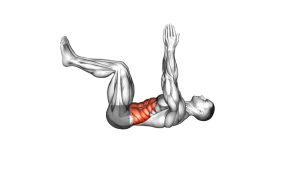
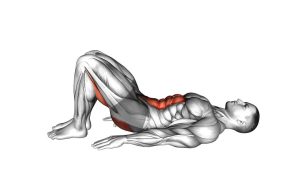
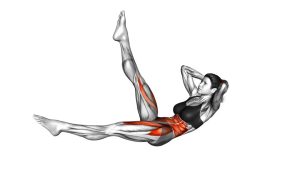
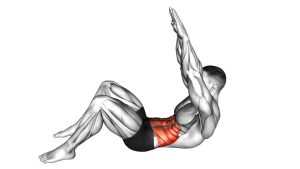
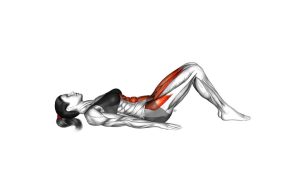
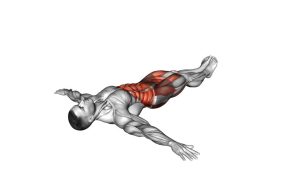
This exercise works best when each repetition stays slow, clean, and controlled. Your arms stay beside your body, your head remains relaxed on the floor, and one leg lifts while the other leg stays extended on the ground. As a result, the core must stabilize the pelvis while the hip flexors move the leg.
Quick Overview
| Body Part | Abs |
|---|---|
| Primary Muscle | Lower abs / rectus abdominis |
| Secondary Muscle | Hip flexors, quadriceps, deep core stabilizers |
| Equipment | No equipment required; optional exercise mat |
| Difficulty | Beginner to intermediate, depending on leg height and control |
Sets & Reps (By Goal)
- Core activation: 2–3 sets × 8–10 reps per side with slow control.
- Beginner strength: 3 sets × 10–12 reps per side with 30–45 seconds rest.
- Muscular endurance: 3–4 sets × 12–16 reps per side with steady breathing.
- Warm-up use: 1–2 sets × 6–8 reps per side before lower-body or core training.
Progression rule: First improve control and breathing. Then increase reps or lift the leg slightly higher only if the lower back stays stable.
Setup / Starting Position
- Lie on your back: Start flat on the floor with both legs fully extended.
- Place the arms down: Keep your arms straight beside your body with the palms resting on the floor.
- Set the head neutral: Let your head and neck stay relaxed without lifting the chin.
- Brace lightly: Gently tighten your abs as if preparing to keep the pelvis still.
- Keep both knees straight: Before moving, lengthen both legs and avoid bending at the knees.
Tip: If your lower back lifts too much, use a smaller leg range instead of forcing a higher lift.
Execution (Step-by-Step)
- Start from the floor: Keep both legs long and your torso quiet.
- Lift one straight leg: Raise one leg from the hip while keeping the knee extended.
- Control the top: Pause briefly when the leg reaches a comfortable height without arching the back.
- Lower slowly: Bring the leg back toward the floor with control instead of dropping it.
- Switch sides: Repeat the same motion with the opposite leg while keeping the body stable.
Pro Tips & Common Mistakes
- Keep the knee straight: Do not turn the movement into a bent-knee march.
- Move from the hip: Lift the leg through hip flexion while the rest of the body stays still.
- Avoid momentum: Swinging the leg makes the exercise easier but reduces core control.
- Control the lowering phase: Lowering slowly is just as important as lifting.
- Do not over-arch: If the lower back pops up, reduce the range of motion.
- Breathe steadily: Exhale during the lift and inhale as you lower the leg.
- Keep the shoulders relaxed: Do not press aggressively through the arms or shrug the shoulders.
FAQ
What muscles do Lying Straight Leg Marches work?
Lying Straight Leg Marches mainly train the lower abs and hip flexors. They also involve the quadriceps because the knee stays straight, while the deep core helps stabilize the pelvis.
Should my legs stay straight during the exercise?
Yes. In the video, the moving leg stays straight as it lifts and lowers. If you bend the knee, the exercise becomes a different marching variation.
How high should I lift my leg?
Lift only as high as you can while keeping the lower back and pelvis controlled. A moderate height is enough if your abs stay engaged and the movement remains smooth.
Is this exercise good for beginners?
Yes. It can work well for beginners because it uses no equipment and allows a small, controlled range. However, beginners should keep the leg lift lower if the back starts to arch.
Why do I feel my hip flexors during this exercise?
Feeling the hip flexors is normal because they lift the straight leg. However, your abs should also work to keep your pelvis stable throughout the movement.
Recommended Equipment (Optional)
- Exercise Mat — adds comfort for lying core exercises on hard floors.
- Thick Yoga Mat — useful if your lower back or hips need extra cushioning.
- Adjustable Ankle Weights — optional progression once bodyweight reps are fully controlled.
- Core Sliders — helpful for related floor-based core progressions.
- Small Pilates Ball — useful for core activation drills and controlled stability work.
Tip: Use added resistance only when your straight-leg marching pattern stays smooth and your lower back remains stable.