Alternate Leg Raise with Head Up: Core Form, Sets, Tips & FAQ
Learn the Alternate Leg Raise with Head Up for stronger abs, better core control, and lower-body coordination. Includes form, sets, tips, FAQs, and gear.
Alternate Leg Raise with Head Up
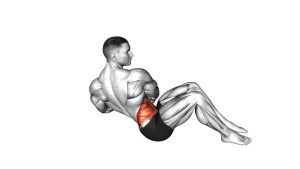
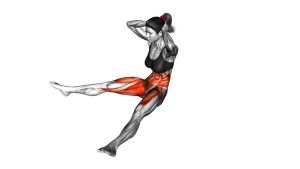
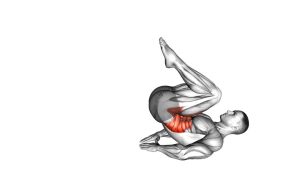
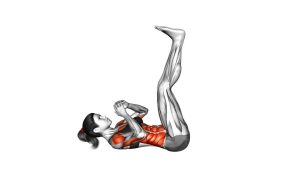
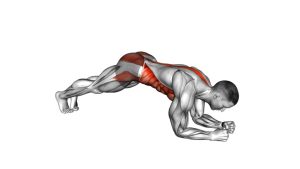
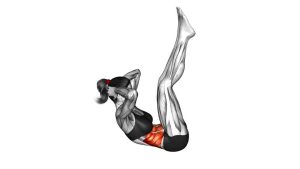
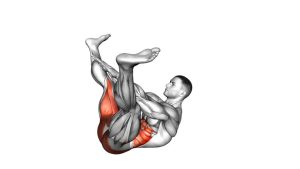
This movement is simple, but it becomes very effective when performed with control. Because the head stays lifted, the upper abs remain engaged while the legs alternate. Meanwhile, the lower abs and hip flexors work together to manage each leg raise. For best results, keep the motion steady, avoid swinging, and only lower each leg as far as you can while maintaining a stable trunk.
Quick Overview
| Body Part | Core |
|---|---|
| Primary Muscle | Rectus abdominis, especially the lower-abdominal region |
| Secondary Muscle | Hip flexors, transverse abdominis, obliques, and deep core stabilizers |
| Equipment | No equipment required; optional exercise mat for floor comfort |
| Difficulty | Beginner to intermediate, depending on leg height and head-up hold duration |
Sets & Reps (By Goal)
- Core activation: 2 sets × 8–12 reps per side with a slow, controlled rhythm.
- Ab endurance: 3 sets × 12–20 reps per side while keeping the head lifted and the torso stable.
- Beginner control: 2–3 sets × 6–10 reps per side with the legs moving through a smaller range.
- Home abs workout: 3–4 sets × 30–45 seconds using smooth alternating leg raises.
- Finisher: 2 rounds × 20–30 seconds after your main core exercises.
Progression rule: First improve control and breathing. Then increase reps, extend the set time, or lower the legs closer to the floor only if your lower back stays comfortable.
Setup / Starting Position
- Lie on your back: Start in a supine position on the floor or on an exercise mat.
- Extend both legs: Keep your legs straight and close together before beginning the alternating motion.
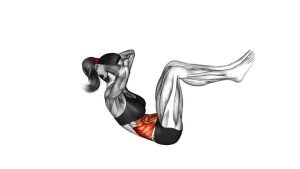
- Lift your head: Raise your head and upper shoulders slightly, as shown in the video, while keeping the neck controlled.
- Set your arms: Keep your arms steady beside your body or lightly placed for balance, depending on what feels stable.
- Brace your core: Gently tighten your abs before the first leg moves so your torso does not rock side to side.
If your neck gets tired quickly, you can briefly support the head with your hands or lower the head between sets. However, avoid pulling on the neck during the exercise.
Execution (Step-by-Step)
- Start with both legs extended: Keep the head lifted and the abs engaged before moving.
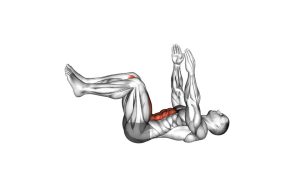
- Raise one leg: Lift one straight leg upward in a controlled path while the opposite leg stays lower.
- Keep the lower leg hovering: Do not relax the lower leg fully on the floor if you can maintain control.
- Switch sides: Lower the raised leg as the opposite leg begins to lift, creating a smooth alternating pattern.
- Maintain the head-up position: Keep the head and upper shoulders slightly raised throughout the rep sequence.
- Control the tempo: Move with steady rhythm instead of kicking, bouncing, or using momentum.
- Finish cleanly: After the final rep, lower both legs and gently rest the head back down.
Pro Tips & Common Mistakes
- Keep the movement smooth: A slower tempo increases abdominal control and reduces momentum.
- Avoid neck pulling: Since the head is lifted, keep the neck long and avoid forcing the chin toward the chest.
- Do not arch the lower back: If your back lifts or strains, raise the legs higher or reduce the range.
- Keep the legs straight but not locked: A small natural knee softness is acceptable if it helps control.
- Do not kick too high: The goal is controlled abdominal tension, not maximum leg height.
- Breathe continuously: Exhale during effort and avoid holding your breath as fatigue builds.
- Use a mat when needed: Extra floor comfort can help you stay focused on the abs instead of pressure points.
FAQ
What muscles does the Alternate Leg Raise with Head Up work?
The exercise mainly works the rectus abdominis, with extra emphasis on lower-core control. In addition, the hip flexors, transverse abdominis, and obliques help stabilize the pelvis and control the alternating leg motion.
Is the Alternate Leg Raise with Head Up good for beginners?
Yes, it can be beginner-friendly when performed with a small range of motion. However, the head-up position makes it more demanding than a basic lying leg raise. Therefore, beginners should start with fewer reps and stop before the neck or lower back strains.
Should my lower back stay flat during this exercise?
Your lower back should stay comfortable and controlled. It does not need to be forced aggressively into the floor, but it should not arch excessively as the legs lower. If arching happens, reduce the range immediately.
Why does my neck get tired during this movement?
The head-up position requires your upper abs and neck area to hold a small lifted posture. If your neck gets tired first, lower the head, rest, or perform fewer reps. Over time, build tolerance gradually.
How can I make the exercise easier?
You can keep your legs higher, bend your knees slightly, lower your head to the floor, or perform fewer reps per side. These changes reduce the demand on the abs and lower back while keeping the same basic movement pattern.
How can I make the exercise harder?
You can slow the tempo, extend the set duration, lower the legs closer to the floor, or pause briefly during each switch. However, only progress if your trunk stays stable and your lower back remains comfortable.
Recommended Equipment (Optional)
- Thick Exercise Mat — adds comfort for floor-based core exercises and helps reduce pressure on the spine.
- Non-Slip Yoga Mat — keeps your body stable while performing alternating leg raises.
- Ab Exercise Mat — provides targeted support for abdominal training and floor crunch variations.
- Core Sliders — useful for other core stability drills that complement leg raise work.
- Mini Resistance Bands — helpful for progressing hip and core stability exercises once bodyweight control improves.
Tip: This exercise does not require equipment. Still, a comfortable mat can improve consistency, especially if you train abs on a hard floor.