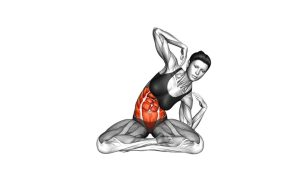
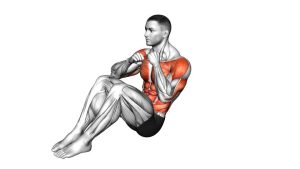
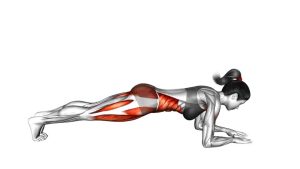
Wide-Leg Sit-Up: Proper Form, Core Benefits, Sets, Tips & FAQ
Learn the Wide-Leg Sit-Up for stronger abs and better core control. Includes proper form, sets, tips, mistakes, FAQs, and equipment.
Wide-Leg Sit-Up
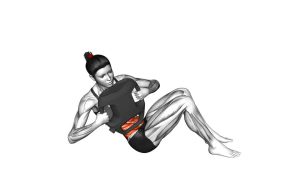
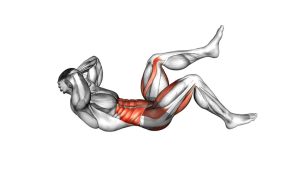
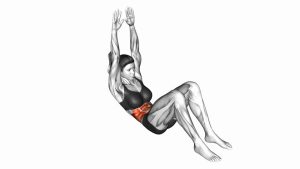
This exercise works best when each repetition is performed with a smooth roll-up instead of a fast swing. First, the head and shoulders lift from the floor. Then, the torso continues rising until the body reaches a seated position. Finally, the arms reach forward between the legs before the body lowers back down with control.
Quick Overview
| Body Part | Abs |
|---|---|
| Primary Muscle | Rectus abdominis |
| Secondary Muscle | Hip flexors, obliques, deep core stabilizers |
| Equipment | None; optional exercise mat for comfort |
| Difficulty | Beginner to intermediate, depending on core strength and control |
Sets & Reps (By Goal)
- Beginner control: 2–3 sets × 6–10 reps, resting 45–75 seconds between sets.
- Core strength: 3–4 sets × 10–15 reps, using a smooth tempo and full range.
- Muscular endurance: 3–5 sets × 15–20 reps, while maintaining clean form.
- Home ab circuit: 2–4 rounds × 30–45 seconds, paired with planks, dead bugs, or leg raises.
Progression rule: Add reps first, then slow the lowering phase. However, do not progress if your feet lift, your lower back feels strained, or your torso drops heavily to the floor.
Setup / Starting Position
- Lie on your back: Start flat on the floor with your spine supported and your face looking upward.
- Open the legs wide: Spread both legs into a wide straddle position while keeping them stable on the ground.
- Extend the arms overhead: Place your arms behind or above your head on the floor, as shown in the video setup.
- Brace gently: Tighten your midsection before moving so the sit-up begins from the core, not from a neck pull.
- Prepare to reach forward: Keep the movement path clear so your arms can travel forward between the legs as you rise.
Tip: Use a mat if the floor feels uncomfortable on your spine or tailbone. A smoother surface can also help you control the lowering phase.
Execution (Step-by-Step)
- Start from the floor: Lie back with your legs wide and your arms extended overhead.
- Lift the head and shoulders: Begin by curling the upper body away from the floor without pulling on the neck.
- Reach the arms forward: As the torso rises, swing the arms forward in a controlled way toward the space between your legs.
- Sit up fully: Continue rolling up until your torso reaches a seated or slightly forward-leaning position.
- Pause briefly: Reach forward and maintain control at the top without bouncing.
- Lower slowly: Reverse the motion by rolling the spine back down toward the floor.
- Return overhead: Let the arms travel back to the starting position as your shoulders and head return to the floor.
Pro Tips & Common Mistakes
- Roll up with control: Avoid snapping the torso forward. Instead, let the spine curl up gradually.
- Keep the legs grounded: The wide-leg position should remain stable from start to finish.
- Reach, but do not bounce: The forward reach helps guide the movement, but it should not turn into momentum.
- Control the lowering phase: Many people drop too fast. Therefore, lower slowly to keep tension on the abs.
- Avoid neck pulling: Since the hands are not behind the head, keep the neck relaxed and let the core lead.
- Use a smaller range if needed: If a full sit-up feels too hard, rise only as far as you can control.
- Breathe naturally: Exhale as you sit up, then inhale as you lower back down.
FAQ
What is the Wide-Leg Sit-Up good for?
The Wide-Leg Sit-Up helps train the abs through a full floor-to-seated motion. It also challenges body control because the torso must rise and lower while the legs remain wide and stable.
Is the Wide-Leg Sit-Up beginner-friendly?
It can be beginner-friendly if performed slowly and with a manageable range of motion. However, beginners should avoid using momentum and should stop short of the full sit-up if the lower back feels strained.
Should my legs move during the exercise?
No. In the video, the legs stay wide and stable throughout the repetition. If your legs lift or slide excessively, slow the movement down and focus on abdominal control.
Do I need equipment for this exercise?
No equipment is required. However, an exercise mat can make the floor position more comfortable, especially during the lowering phase.
Why do I feel this in my hip flexors?
Some hip flexor involvement is normal during sit-up variations. Still, if the hip flexors dominate completely, reduce the speed, brace the abs before lifting, and focus on rolling up with control.
Can I add this to an ab workout?
Yes. It fits well in a bodyweight ab workout with planks, dead bugs, reverse crunches, or hollow holds. For best results, place it after your warm-up and before high-fatigue core finishers.
Recommended Equipment
- Exercise Mat — adds comfort for the spine, hips, and shoulders during floor-based sit-ups.
- Thick Yoga Mat — useful if you need extra cushioning for repeated ab exercises.
- Non-Slip Workout Mat — helps keep your body stable while the torso moves through the sit-up.
- Ab Mat — optional support for some sit-up variations, especially if you want more lumbar comfort.
- Workout Towel — helpful for sweat control and extra padding under the lower back or hips.
Tip: Choose equipment that improves comfort without changing the movement pattern. The exercise should still look like a controlled wide-leg sit-up from the floor.