Sitting Windshield Wipers: Core Form, Sets, Tips & FAQ
Learn Sitting Windshield Wipers for stronger abs and obliques. Get setup, step-by-step form, sets by goal, common mistakes, FAQs, and equipment.
Sitting Windshield Wipers
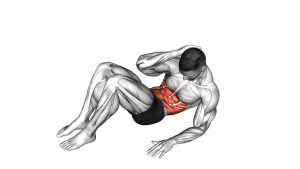
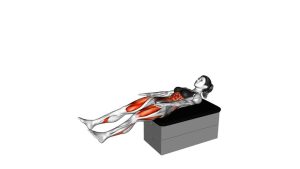
This exercise works best when the movement stays controlled from start to finish. First, the torso stays slightly leaned back. Then, the hands support the body while the bent legs rotate from side to side. Because the feet and knees move as one unit, the abs and obliques must work together to manage rotation without letting the body collapse.
Additionally, this movement is useful for building rotational core strength with minimal equipment. However, it should not be rushed. A slower tempo helps the hips rotate smoothly, keeps the knees together, and prevents the lower back from taking over the movement.
Quick Overview
| Body Part | Core |
|---|---|
| Primary Muscle | Obliques |
| Secondary Muscle | Rectus abdominis, transverse abdominis, hip flexors |
| Equipment | No equipment required; exercise mat optional |
| Difficulty | Beginner to Intermediate |
Sets & Reps (By Goal)
- Core control: 2–3 sets × 8–10 reps per side with a slow tempo.
- Oblique endurance: 3–4 sets × 10–15 reps per side with steady breathing.
- Beginner practice: 2 sets × 6–8 reps per side using a smaller range of motion.
- Core finisher: 2–3 rounds × 30–45 seconds, only if form stays clean.
Progression rule: Increase the range of motion only after you can keep your knees together, torso stable, and movement smooth on both sides.
Setup / Starting Position
- Sit on the floor: Start seated with your knees bent in front of you.
- Place your hands behind you: Keep your palms on the floor for balance and support.
- Lean back slightly: Keep your chest lifted enough to avoid rounding hard through the spine.
- Bring the legs together: Keep your knees and feet moving as one unit.
- Brace your core: Gently tighten your abs before moving your legs to either side.
In the video, the arms act as stabilizers. Therefore, avoid pushing aggressively through the shoulders. Use the hands to help balance while the core controls the leg rotation.
Execution (Step-by-Step)
- Start in the center: Sit tall, lean back slightly, and keep both knees bent together.
- Brace before rotating: Tighten your core gently so the movement starts with control.
- Lower the legs to one side: Rotate your bent legs toward the floor while keeping them together.
- Control the bottom position: Pause briefly before the body loses balance or the lower back arches.
- Return to center: Bring the legs back to the middle without swinging.
- Rotate to the other side: Repeat the same controlled movement in the opposite direction.
- Continue alternating: Move side to side smoothly, like windshield wipers.
Pro Tips & Common Mistakes
Pro Tips
- Move slowly: A controlled tempo makes the obliques work harder and reduces momentum.
- Keep the knees together: This helps the legs move as one unit, just like the video shows.
- Use the hands for support: The hands should stabilize the body, not replace core effort.
- Keep your chest lifted: A stable torso helps the hips rotate without collapsing the spine.
- Control both sides equally: If one side feels weaker, reduce the range and match the weaker side.
Common Mistakes
- Swinging the legs: Momentum reduces core tension and makes the exercise less effective.
- Letting the knees separate: This changes the movement and reduces clean rotational control.
- Rounding the back too much: Excessive spinal rounding can make the movement uncomfortable.
- Dropping too low too soon: A larger range is only useful when you can control it.
- Shrugging the shoulders: Keep the shoulders relaxed while the hands support balance.
FAQ
What muscles do Sitting Windshield Wipers work?
Sitting Windshield Wipers mainly work the obliques. Additionally, the rectus abdominis, transverse abdominis, and hip flexors help stabilize the body while the bent legs rotate side to side.
Are Sitting Windshield Wipers good for beginners?
Yes, they can be beginner-friendly when performed with a small range of motion. However, beginners should move slowly, keep the hands on the floor for support, and stop each rep before the lower back loses control.
Should my feet touch the floor during the exercise?
The video shows the legs moving down toward each side with control. If touching the floor makes you lose tension or balance, stop slightly above the floor and return to center.
Why do I feel this in my hip flexors?
Some hip flexor involvement is normal because the legs are lifted and bent. However, if the hip flexors dominate, reduce the range, slow the movement, and focus on bracing the abs before each rotation.
How can I make Sitting Windshield Wipers harder?
First, increase control and range of motion. Then, slow the lowering phase or add more reps. Avoid making the movement harder by swinging faster because speed usually reduces core tension.
Recommended Equipment
- Exercise Mat — adds comfort under the hips and hands during seated core work.
- Thick Yoga Mat — useful if you need extra floor cushioning for longer ab sessions.
- Core Sliders — helpful for other core-control exercises and oblique variations.
- Mini Resistance Bands — useful for hip and core warm-ups before rotational movements.
- Ab Exercise Equipment Set — supports a complete home core workout routine with multiple exercise options.
Tip: This exercise does not require equipment. However, a mat can make the seated position more comfortable and help you focus on controlled movement.