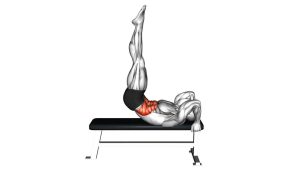
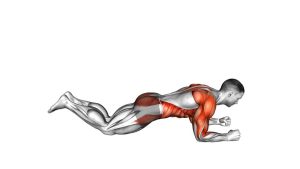
Hollow Rock Exercise: Core Form, Benefits, Sets, Tips & FAQ
Learn the Hollow Rock exercise for stronger abs, better core stability, and body control. Includes form steps, sets, common mistakes, FAQs, and equipment.
Hollow Rock
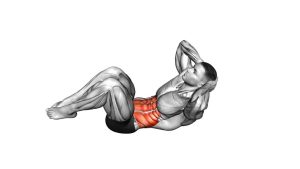
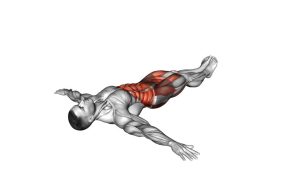
This exercise is best used when you want to build ab endurance, anti-extension core strength, and better full-body tension. Because the movement keeps the legs lifted and the shoulders off the floor, it challenges the core from the first rep. However, quality matters more than speed. Therefore, each rock should stay small, controlled, and consistent.
Quick Overview
| Body Part | Core |
|---|---|
| Primary Muscle | Rectus abdominis |
| Secondary Muscle | Transverse abdominis, hip flexors, obliques, deep core stabilizers |
| Equipment | Bodyweight only; exercise mat optional |
| Difficulty | Intermediate because the position requires strong core control and continuous tension |
Sets & Reps (By Goal)
- Core endurance: 3–4 sets × 15–30 seconds
- Strength control: 3–5 sets × 8–15 slow rocks
- Beginner progression: 2–3 sets × 6–10 small rocks with knees slightly bent
- Conditioning finisher: 3 rounds × 20–40 seconds with controlled breathing
Progression rule: First increase control and hold quality. Then add more rocks, longer sets, or a slightly straighter leg position.
Setup / Starting Position
- Lie on your back: Start flat on the floor or on an exercise mat.
- Lift the shoulders: Raise your head and shoulder blades slightly off the ground.
- Set the legs: Extend the legs and lift them off the floor while keeping them together.
- Reach the arms: Keep the arms extended overhead or slightly forward, depending on your control.
- Brace the abs: Press the lower back toward the floor and create a curved hollow body shape.
If your lower back lifts away from the floor, make the exercise easier by bending the knees or raising the legs higher.
Execution (Step-by-Step)
- Create the hollow shape: Keep the ribs down, abs tight, shoulders lifted, and legs hovering.
- Start the rock: Gently shift your body backward toward the upper back while keeping the same curved position.
- Reverse smoothly: Rock forward again without dropping the feet or relaxing the abs.
- Keep one solid line: Do not kick the legs, swing the arms, or break at the hips.
- Repeat with rhythm: Continue rocking back and forth while maintaining steady breathing and full-body tension.
Pro Tips & Common Mistakes
- Keep the lower back controlled: The biggest mistake is letting the lower back arch during the rock.
- Do not use momentum: The rock should come from core tension, not from throwing the arms or legs.
- Keep the legs active: Straight legs make the exercise harder, so bend them slightly if form breaks.
- Relax the neck: Keep the head lifted, but avoid pulling the chin aggressively toward the chest.
- Control the range: Smaller rocks are better than large, sloppy rocks.
- Breathe steadily: Short, controlled breaths help you stay braced without holding tension in the face or neck.
FAQ
What muscles does the Hollow Rock work?
The Hollow Rock mainly targets the rectus abdominis. It also trains the transverse abdominis, obliques, hip flexors, and deep core stabilizers because the body must stay tight while rocking.
Is the Hollow Rock good for beginners?
It can be challenging for beginners. However, you can modify it by bending the knees, raising the legs higher, or performing a hollow body hold before adding the rocking motion.
Why does my lower back arch during Hollow Rocks?
Your lower back usually arches when the core cannot maintain the hollow position. Therefore, reduce the difficulty by bending the knees, shortening the set, or lifting the legs higher until your abs stay engaged.
Should my feet touch the floor during the exercise?
No. In the demonstrated movement, the feet stay lifted throughout the rocking cycle. Keeping them off the floor helps maintain constant core tension.
How is the Hollow Rock different from a Hollow Hold?
A Hollow Hold is static, while a Hollow Rock adds a controlled rocking motion. As a result, the Hollow Rock demands more rhythm, balance, and core endurance.
Recommended Equipment (Optional)
- Exercise Mat — adds comfort for the spine, shoulders, and hips during floor core work
- Thick Yoga Mat — useful if you need extra cushioning while rocking on the back
- Ab Workout Mat — supports floor-based ab training and helps reduce pressure during core drills
- Core Sliders — helpful for pairing Hollow Rocks with additional core stability exercises
- Mini Resistance Bands — useful for warm-ups and accessory core or hip stability work
Tip: The Hollow Rock does not require equipment. Still, a quality mat can make the movement more comfortable and easier to practice consistently.