Bodyweight Front Slam: Explosive Core Exercise, Form, Sets, Tips & FAQ
Learn the Bodyweight Front Slam to train explosive abs, shoulders, hips, and conditioning with no equipment. Includes form, sets, tips, FAQs, and gear.
Bodyweight Front Slam
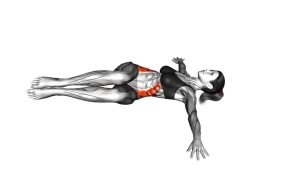
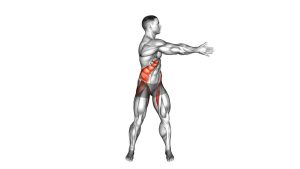
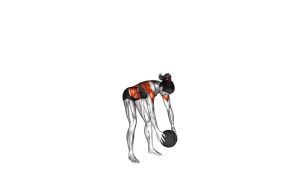
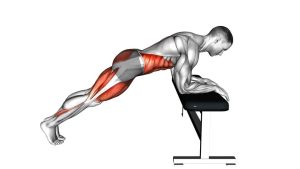
This exercise works best when you treat it like a powerful athletic drill, not a loose arm swing. First, you load the body by reaching the arms overhead and slightly bending the knees. Then, you drive the arms down in front of the body while the torso folds forward and the hips hinge back. As a result, the movement trains explosive core flexion, shoulder coordination, and lower-body force absorption without requiring a medicine ball.
Quick Overview
| Body Part | Core |
|---|---|
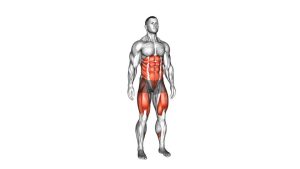
| Primary Muscle | Rectus abdominis and deep core stabilizers |
| Secondary Muscle | Shoulders, hip flexors, glutes, quads, and spinal erectors for control |
| Equipment | No equipment required |
| Difficulty | Beginner to intermediate, depending on speed and total reps |
Sets & Reps (By Goal)
- Technique practice: 2–3 sets × 8–10 reps, using a smooth rhythm and controlled reset.
- Core power: 3–4 sets × 10–15 reps, driving down forcefully while keeping the ribs braced.
- Conditioning / HIIT: 3–5 rounds × 20–30 seconds, resting 30–60 seconds between rounds.
- Warm-up activation: 1–2 sets × 8–12 reps before core, athletic, or full-body training.
Progression rule: Add speed only after your balance, breathing, and body control stay consistent. Moreover, increase time or reps gradually before making the movement more explosive.
Setup / Starting Position
- Stand tall: Place your feet about shoulder-width apart with your weight balanced through the whole foot.
- Soften the knees: Keep a small bend in the knees so the body can load and absorb force safely.
- Brace lightly: Keep the ribs controlled and the abs active before you begin the first rep.
- Set the arms: Start with the arms in front of the body, ready to swing upward into the loading phase.
- Keep the neck neutral: Look forward at the start, then allow the head to follow the torso naturally during the slam.
Tip: Before going fast, rehearse the movement slowly: reach up, hinge down, then reset. This makes the exercise safer and cleaner.
Execution (Step-by-Step)
- Load the movement: Swing the arms upward toward an overhead position while keeping your knees slightly bent.
- Reach tall: Extend through the torso without over-arching the lower back.
- Start the slam: Quickly drive the arms downward in front of the body as if slamming an object toward the floor.
- Hinge and crunch: Let the torso fold forward while the hips move back and the knees bend to absorb the force.
- Finish low with control: Bring the arms near the thighs or knees while keeping the feet planted.
- Reset smoothly: Rise back to standing and prepare for the next repetition without bouncing or losing posture.
Pro Tips & Common Mistakes
- Use your core, not only your shoulders: The downward drive should feel like a strong abdominal crunch combined with a hinge.
- Avoid over-arching overhead: Reach high, but keep the ribs from flaring forward.
- Keep the feet planted: Stable feet help you transfer force cleanly through the body.
- Do not collapse the lower back: Hinge from the hips and brace the abs as you slam downward.
- Control the reset: Although the slam is explosive, the return should stay balanced and repeatable.
- Breathe with rhythm: Exhale during the downward slam, then inhale as you reset.
- Start slower if needed: If your timing feels awkward, reduce speed until the movement pattern becomes smooth.
FAQ
What muscles does the Bodyweight Front Slam work?
The Bodyweight Front Slam mainly targets the core, especially the abs and deep stabilizers. Additionally, the shoulders, hips, glutes, quads, and back muscles help coordinate the overhead reach, downward drive, and reset.
Is the Bodyweight Front Slam a good alternative to medicine ball slams?
Yes. It is a useful no-equipment alternative because it trains a similar overhead-to-downward explosive pattern. However, it does not provide the same external resistance or impact feedback as a medicine ball.
Should I do this exercise fast or slow?
Start slow enough to control your posture. Then, once your pattern is clean, perform the downward phase faster. In other words, earn speed with control first.
Can beginners do the Bodyweight Front Slam?
Beginners can perform it if they use a smaller range of motion and moderate speed. Nevertheless, people with back, shoulder, or balance limitations should keep the movement gentle or choose a slower standing core drill.
How can I make the Bodyweight Front Slam harder?
You can increase the speed, add more reps, extend the working time, or use it inside a conditioning circuit. Later, you may progress to a medicine ball slam if you have the right space and equipment.
Recommended Equipment (Optional)
- Slam Ball / Medicine Ball — useful if you want to progress from bodyweight slams to loaded power training.
- Non-Slip Exercise Mat — helps provide a stable training surface for bodyweight conditioning work.
- Cross-Training Shoes — supports planted feet, quick movement, and better balance during explosive drills.
- Resistance Bands Set — helpful for pairing this drill with rows, pull-aparts, and shoulder warm-up work.
- Workout Interval Timer — ideal for HIIT rounds, timed conditioning sets, and structured rest periods.
Tip: Since this exercise does not require equipment, keep the first priority on space, footing, and clean technique. After that, use optional tools only if they improve training quality.