Lying Alternating Single-Leg Raise: Core Form, Sets, Tips & FAQ
Learn the Lying Alternating Single-Leg Raise to strengthen abs, hip flexors, and leg control with proper form, sets, tips, FAQs, and equipment.
Lying Alternating Single-Leg Raise
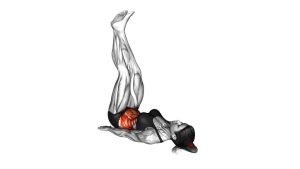
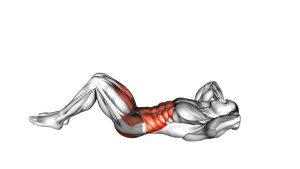
This exercise works best when every repetition stays slow, smooth, and controlled. Because one leg lowers while the other stays lifted, your core must resist lower-back arching and keep the pelvis stable. Therefore, the goal is not speed. Instead, focus on keeping your legs straight, your arms grounded, and your lower back controlled throughout the full alternating pattern.
Quick Overview
| Body Part | Core |
|---|---|
| Primary Muscle | Rectus abdominis |
| Secondary Muscle | Hip flexors, quadriceps, lower-abdominal stabilizers |
| Equipment | No equipment required; optional exercise mat |
| Difficulty | Beginner to Intermediate |
Sets & Reps (By Goal)
- Core control: 2–3 sets × 8–12 reps per side, using a slow controlled tempo.
- Muscular endurance: 3–4 sets × 12–16 reps per side, resting 45–75 seconds between sets.
- Beginner practice: 2 sets × 6–10 reps per side, lowering only as far as your back stays stable.
- Warm-up activation: 1–2 sets × 8–10 reps per side before lower-body or core training.
Progression rule: First improve control and range of motion. Then increase reps. Finally, slow the lowering phase to make the exercise more challenging.
Setup / Starting Position
- Lie on your back: Rest flat on the floor or on an exercise mat.
- Place your arms beside your body: Keep your palms down or relaxed on the floor for stability.
- Lift both legs upward: Extend both legs vertically so they point toward the ceiling.
- Keep the knees straight: Maintain long legs without locking aggressively.
- Brace your core: Gently tighten your abs before the first leg begins to lower.
- Set your head and neck: Keep your head resting on the floor and avoid lifting the neck.
If your hamstrings feel tight, use a slightly smaller range. However, keep the movement controlled and avoid bending the knees excessively unless needed for comfort.
Execution (Step-by-Step)
- Start with both legs vertical: Keep your legs extended and stacked above the hips.
- Lower one leg slowly: Move one straight leg toward the floor while the opposite leg stays upright.
- Control your pelvis: Keep your hips steady and prevent your lower back from lifting away from the floor.
- Stop before losing control: Lower the leg only as far as you can maintain proper core tension.
- Return the leg upward: Bring the lowered leg back to the starting position with the same controlled tempo.
- Alternate sides: Lower the opposite leg while keeping the first leg vertical.
- Repeat smoothly: Continue alternating without rushing, bouncing, or swinging the legs.
Pro Tips & Common Mistakes
- Move slowly: A slower lowering phase increases core demand and reduces momentum.
- Keep both legs straight: Straight legs make the drill more challenging and match the movement pattern shown.
- Do not let the back arch: If your lower back lifts, reduce the lowering range immediately.
- Avoid dropping the leg: Lower with control instead of letting gravity pull the leg down.
- Keep the top leg still: The non-moving leg should remain vertical and stable.
- Relax your neck: Your head should stay down while your core and hips do the work.
- Breathe steadily: Exhale lightly as the leg lowers, then inhale as it returns.
- Use your arms for balance only: Do not press so hard into the floor that your body shifts or tenses excessively.
FAQ
What muscles does the Lying Alternating Single-Leg Raise work?
It mainly trains the rectus abdominis and the deeper core stabilizers that help control the pelvis. In addition, the hip flexors and quadriceps assist because the legs stay extended during the movement.
Is this exercise good for lower abs?
Yes, it can strongly challenge the lower-abdominal region because your core must control the pelvis as each leg lowers. However, the abs work best when the lower back stays stable and the legs move with control.
Should my leg touch the floor?
It does not have to touch the floor. In fact, stopping just above the floor is often better because it keeps tension on the abs. If your back arches before the leg gets low, stop higher and build control first.
Why does my lower back arch during this exercise?
Your back may arch when your core cannot control the leverage created by the lowering leg. To fix this, shorten the range of motion, move slower, brace before lowering, and keep your ribs down.
Can beginners do the Lying Alternating Single-Leg Raise?
Yes, beginners can do it if they use a smaller range and avoid forcing the leg close to the floor. For an easier version, lower the leg halfway or slightly bend the knees while learning control.
How is this different from flutter kicks?
Flutter kicks usually use faster, smaller alternating leg movements. Meanwhile, this exercise uses a slower and larger single-leg lowering pattern, which makes it more focused on controlled core stability.
Recommended Equipment
- Exercise Mat — provides cushioning for your back during floor-based core exercises.
- Non-Slip Yoga Mat — helps keep your body stable while your legs move through each rep.
- Core Sliders — useful for progressing into other controlled abdominal and hip-flexor drills.
- Adjustable Ankle Weights — optional advanced progression once bodyweight reps are fully controlled.
- Resistance Bands Set — useful for complementary core, hip-flexor, and lower-body strengthening.
Tip: Do not add ankle weights until you can perform every rep without lower-back arching, hip rocking, or leg swinging.