Lying Alternate Bent Leg Raise: Form, Core Benefits, Sets, Tips & FAQ
Learn the Lying Alternate Bent Leg Raise for controlled core training, hip flexor activation, lower-ab stability, proper form, sets, tips, and equipment.
Lying Alternate Bent Leg Raise
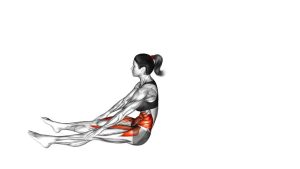
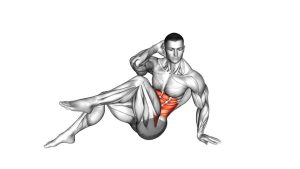
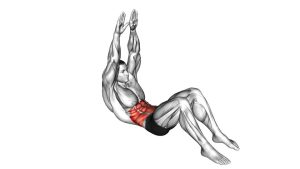
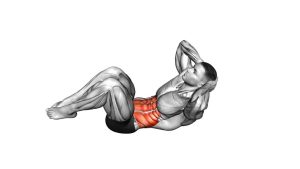
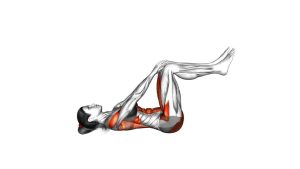
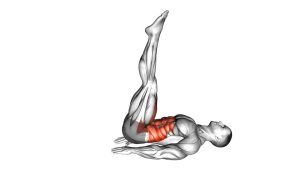
This exercise works best when the body stays steady and the leg moves with control. First, the working leg lifts from the floor while the knee bends. Then, the knee moves closer to the torso before the leg returns back down. Meanwhile, the other leg remains straight and grounded, which keeps the movement clear and easy to follow.
Since the exercise uses one leg at a time, it can feel more manageable than raising both legs together. However, the core still needs to stay active so the pelvis does not rock or shift. For best results, use a smooth tempo, avoid swinging, and focus on keeping the upper body relaxed.
Quick Overview
| Body Part | Core |
|---|---|
| Primary Muscle | Rectus abdominis, especially the lower-ab region during pelvic control |
| Secondary Muscle | Hip flexors, deep core stabilizers, and quadriceps of the moving leg |
| Equipment | None; optional exercise mat for comfort |
| Difficulty | Beginner-friendly |
Sets & Reps (By Goal)
- Beginner control: 2 sets × 8–10 reps per side with slow, clean movement.
- Core endurance: 3 sets × 10–15 reps per side with steady breathing and minimal rest between sides.
- Warm-up activation: 1–2 sets × 8–12 reps per side before a core or lower-body workout.
- Form practice: 2–3 sets × 6–8 reps per side using a slower lowering phase.
Progression rule: Add reps only when your torso stays stable and your leg lowers without dropping quickly. After that, progress by slowing the lowering phase rather than rushing into harder variations.
Setup / Starting Position
- Lie on your back: Start flat on the floor with your head resting comfortably and your eyes facing upward.
- Place your arms beside you: Keep both arms along the sides of your body with palms facing down for light support.
- Extend both legs: Straighten both legs on the floor before beginning the first repetition.
- Set your torso: Keep your ribs controlled and your pelvis steady without aggressively arching or forcing the lower back down.
- Relax your upper body: Keep the shoulders, neck, and jaw calm so the movement comes from the hip and core area.
Tip: An exercise mat can make the position more comfortable, especially if the floor feels hard under your back or hips.
Execution (Step-by-Step)
- Begin from the floor: Keep both legs extended and your arms planted lightly beside your body.
- Lift one leg: Raise one leg from the floor while bending the knee toward the torso.
- Control the top position: Bring the knee closer to the body without lifting the upper back or swinging the leg.
- Pause briefly: Hold the top position for a short moment while keeping the opposite leg extended and still.
- Lower with control: Return the moving leg back to the floor while gradually extending the knee.
- Reset the body: Once both legs are extended again, regain control before switching sides.
- Alternate legs: Repeat the same pattern with the opposite leg using the same smooth tempo.
Pro Tips & Common Mistakes
- Move one leg at a time: Keep the non-working leg extended and grounded so the exercise stays controlled.
- Avoid momentum: Do not kick the leg upward or let it fall back down quickly.
- Keep the pelvis steady: If the hips shift side to side, shorten the range of motion.
- Use your arms lightly: Your palms can help with balance, but they should not press hard into the floor.
- Control the lowering phase: The return to the floor is just as important as the lift.
- Breathe naturally: Avoid holding your breath; instead, exhale gently during effort and inhale during the reset.
- Do not rush the switch: Fully reset before changing legs so each rep stays clean.
- Watch the lower back: If the lower back arches strongly or feels uncomfortable, use a smaller range.
FAQ
What muscles does the Lying Alternate Bent Leg Raise work?
It mainly trains the core, especially the abdominal muscles that help stabilize the pelvis. Additionally, the hip flexors assist as the bent leg lifts toward the torso.
Is this exercise good for beginners?
Yes. Since only one leg moves at a time and the knee stays bent during the lift, this variation is usually easier to control than double-leg raises. However, beginners should still move slowly and avoid forcing the range.
Should my lower back stay completely flat?
Your lower back should stay comfortable and controlled. Do not force it aggressively into the floor. Instead, focus on keeping the pelvis steady and avoiding a large arch as the leg moves.
How fast should I perform each repetition?
Use a slow tempo. For example, lift for about one to two seconds, pause briefly near the top, then lower for two to three seconds. As a result, your core has more time to control the movement.
Why do I feel this in my hip flexors?
Some hip flexor work is expected because the leg lifts from the floor. However, if the hip flexors dominate or feel pinchy, reduce the range, slow down, and focus on steady core control.
Can I do this exercise every day?
You can use it often as a light core-control drill if it feels comfortable. Still, if your hip flexors or lower back feel tired, take a rest day or reduce the number of sets.
Recommended Equipment (Optional)
- Exercise Mat — adds comfort for your back, hips, and shoulders during floor-based core work.
- Thick Yoga Mat — useful if you need extra cushioning on hard floors.
- Pilates Mat — provides a stable surface for controlled supine core exercises.
- Mini Resistance Bands — optional for future progressions and lower-body activation drills.
- Ab Workout Mat — helps support the spine during repeated core exercises on the floor.
Tip: This exercise does not require equipment. However, a comfortable mat can make the setup easier and help you focus on smooth movement quality.