Lying Spiderman Crawl: Core Form, Benefits, Sets & Tips
Learn the Lying Spiderman Crawl to train abs, obliques, hip control, and floor-based core stability with proper form, sets, tips, and equipment.
Lying Spiderman Crawl
This exercise works best when every repetition is slow and deliberate. Because the chest stays close to the floor, the movement creates a unique combination of core compression, hip external rotation, and anti-rotation control. It is useful for athletes, home workouts, mobility warm-ups, and anyone who wants a low-impact core exercise that also challenges coordination.
Quick Overview
| Body Part | Core |
|---|---|
| Primary Muscle | Rectus abdominis and obliques |
| Secondary Muscle | Hip flexors, transverse abdominis, glutes, shoulders, chest stabilizers |
| Equipment | No equipment required; optional exercise mat |
| Difficulty | Beginner to Intermediate |
Sets & Reps (By Goal)
- Beginner control: 2–3 sets × 6–8 reps per side with slow, clean movement.
- Core endurance: 3–4 sets × 10–14 reps per side with steady breathing.
- Mobility warm-up: 1–2 sets × 6–10 reps per side before lower-body or core training.
- Conditioning finisher: 3 rounds × 30–45 seconds, keeping the tempo controlled.
Progression rule: First improve control and range of motion. Then add more reps or time. Do not rush the movement just to make it harder.
Setup / Starting Position
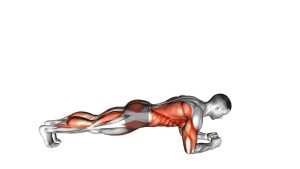
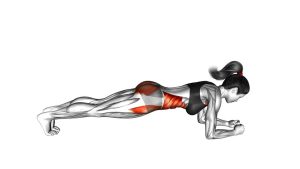
- Lie face down: Start in a prone position with your body long and your legs extended behind you.
- Place your arms near shoulder level: Keep the elbows bent and close enough to help stabilize your upper body.
- Brace your core: Lightly tighten your abs before moving the legs.
- Keep the chest low: This is not a high plank. Your torso should stay close to the floor.
- Set your neck neutral: Look slightly down so your head stays aligned with your spine.
Use an exercise mat if the floor feels uncomfortable on your hips, knees, or chest.
Execution (Step-by-Step)
- Start flat and stable: Keep both legs extended and your torso close to the floor.
- Drive one knee outward: Bend one knee and bring it forward toward the same-side elbow.
- Open the hip: Let the knee travel slightly outside the body line, similar to a Spiderman crawl motion.
- Control the torso: Allow only a small natural rotation. Do not twist aggressively.
- Pause briefly: Hold the forward position for a moment while keeping the abs engaged.
- Return the leg: Slowly slide or move the leg back to the starting position.
- Switch sides: Repeat the same motion with the opposite knee.
- Continue alternating: Move right, return, move left, return, using a smooth and controlled rhythm.
Pro Tips & Common Mistakes
- Move slowly: Slow reps build better core control than fast, sloppy reps.
- Keep the body low: Avoid turning the exercise into a plank mountain climber.
- Do not over-rotate: A small torso shift is normal, but excessive twisting reduces control.
- Use the hips, not the lower back: The knee should move through hip mobility, not lumbar twisting.
- Keep breathing: Exhale as the knee moves forward and inhale as the leg returns.
- Avoid shrugging: Keep shoulders relaxed and stable instead of pulling them toward your ears.
- Reduce the range if needed: If the knee cannot reach near the elbow, use a shorter pain-free path.
FAQ
What muscles does the Lying Spiderman Crawl work?
It mainly works the abs and obliques. It also trains the hip flexors, deep core muscles, glutes, shoulders, and chest stabilizers.
Is the Lying Spiderman Crawl good for beginners?
Yes, it can be beginner-friendly when done slowly with a short range of motion. Beginners should focus on control before increasing reps or speed.
Should my chest stay on the floor?
Your chest should stay close to the floor, but it does not need to be pressed hard into the ground. The exercise should feel controlled and comfortable.
Is this the same as a Spiderman plank?
No. A Spiderman plank is usually done from a high plank position. The Lying Spiderman Crawl is lower to the floor and places more focus on controlled hip movement and prone core stability.
Why do I feel this in my hips?
That is normal because the exercise uses hip flexion and external rotation. However, sharp pain or pinching is not normal. Reduce the range or stop if discomfort appears.
Recommended Equipment
- Exercise Mat — provides cushioning for the hips, knees, chest, and elbows during floor work.
- Non-Slip Yoga Mat — helps keep your body stable while alternating knee drives.
- Core Sliders — useful for advanced sliding variations of crawling and knee-drive exercises.
- Foam Roller — helpful for warming up hips, quads, and upper back before core training.
- Resistance Bands Set — useful for pairing this exercise with glute activation and hip mobility drills.
Equipment is optional. The Lying Spiderman Crawl can be performed effectively with bodyweight only, but a mat can make the exercise more comfortable and consistent.