Assisted Lying Hamstring Stretch: Proper Form, Benefits, Sets & Tips
Learn the assisted lying hamstring stretch for better flexibility, safer hip mobility, and reduced posterior thigh tightness with step-by-step form tips.
Assisted Lying Hamstring Stretch
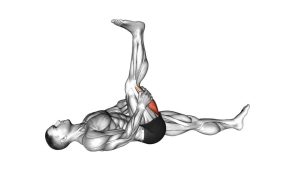
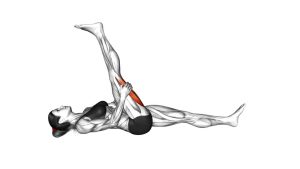
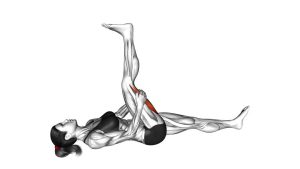
This exercise is passive, which means the working leg is moved by the assistant rather than lifted actively by the person on the floor. It is useful after lower-body training, during mobility sessions, or as part of a guided flexibility routine. The stretch should feel smooth and controlled, not sharp, rushed, or aggressive.
Quick Overview
| Body Part | Hamstrings |
|---|---|
| Primary Muscle | Hamstrings: biceps femoris, semitendinosus, and semimembranosus |
| Secondary Muscle | Calves, glutes, adductors, and lower-back stabilizers |
| Equipment | Partner assistance; optional exercise mat, towel, yoga strap, or stretching strap |
| Difficulty | Beginner-friendly, but requires careful partner control |
Sets & Reps (By Goal)
- General flexibility: 2–4 holds per leg × 20–40 seconds
- Post-workout recovery: 2–3 holds per leg × 30–45 seconds with gentle breathing
- Mobility warm-up: 1–2 light holds per leg × 10–20 seconds, no aggressive range
- Rehab-style control: 2–3 holds per leg × 15–30 seconds using very mild intensity
Progression rule: Increase hold time before increasing stretch intensity. A clean stretch should feel controlled, breathable, and easy to release.
Setup / Starting Position
- Lie flat on your back: Keep the spine relaxed, shoulders down, and head supported if needed.
- Extend both legs: The non-working leg stays long on the floor to help keep the pelvis stable.
- Assistant position: The assistant stands beside the stretching leg and supports the ankle, heel, or lower calf.
- Keep the knee mostly straight: A small natural bend is acceptable, but avoid forcing the knee locked.
- Start slowly: The assistant begins with the leg low and confirms the stretch level before moving higher.
Tip: The pelvis should stay heavy on the floor. If the hips roll up, the stretch is likely too intense or the leg has been lifted too far.
Execution (Step-by-Step)
- Begin from a relaxed lying position: The person stretching stays passive and breathes normally.
- Raise the leg upward: The assistant slowly lifts the straight leg toward the torso using controlled hip flexion.
- Stop at the first strong stretch: Pause when the stretch is felt clearly through the back of the thigh.
- Hold with steady pressure: Maintain the position without bouncing, shaking, or pushing deeper suddenly.
- Monitor feedback: The assistant should ask if the intensity is comfortable and reduce pressure if needed.
- Lower slowly: The assistant guides the leg back to the floor with the same control used during the lift.
- Switch sides: Repeat the same setup and tempo on the opposite leg.
Pro Tips & Common Mistakes
- Use communication: The person stretching should rate the intensity, and the assistant should adjust immediately.
- Keep the opposite leg grounded: Letting the bottom leg lift can reduce pelvic stability and shift tension into the lower back.
- Avoid bouncing: Ballistic movement increases strain risk and makes the stretch less controlled.
- Do not force the knee straight: A soft knee can make the stretch safer and more comfortable.
- Keep the hips square: The working leg should rise in line with the hip, not across the body.
- Watch the lower back: If the back arches or the pelvis lifts, reduce the leg angle.
- Use calm breathing: Slow exhales help reduce guarding and allow a smoother stretch.
- Stay below pain: A strong stretch is acceptable, but pain is not the target.
FAQ
What muscles does the assisted lying hamstring stretch target?
It primarily stretches the hamstrings, including the biceps femoris, semitendinosus, and semimembranosus. Depending on ankle position and flexibility, the calves may also feel a mild stretch.
Should the knee be completely locked during this stretch?
No. The knee should stay mostly straight, but it does not need to be aggressively locked. A small bend can help reduce pressure behind the knee and make the stretch safer.
How intense should the stretch feel?
Aim for a controlled stretch around 5–7/10 intensity. You should be able to breathe normally and relax into the position without pain or panic tension.
Is this better than stretching with a strap?
Both can work well. Partner assistance allows guided control and feedback, while a strap gives the person stretching more direct control over intensity.
Can this help with tight hamstrings?
Yes. When performed consistently and gently, this stretch can help improve hamstring flexibility and reduce posterior thigh tightness. It works best when paired with hip mobility and strengthening exercises.
Who should avoid this exercise?
People with acute hamstring strains, sciatic nerve irritation, severe lower-back pain, or nerve symptoms should avoid forceful assisted stretching and seek professional guidance.
Recommended Equipment (Optional)
- Exercise Mat — provides comfortable floor support during lying stretches
- Yoga Strap / Stretching Strap — useful for self-assisted hamstring stretching without a partner
- Foam Roller — helps prepare the hamstrings, calves, and glutes before stretching
- Stretching Strap with Loops — gives better grip control for flexibility work and rehab-style stretching
- Massage Ball — useful for light soft-tissue work around tight lower-body areas
Tip: Equipment should support the stretch, not force it. If a tool increases discomfort, reduce intensity or remove it.