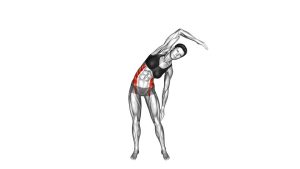
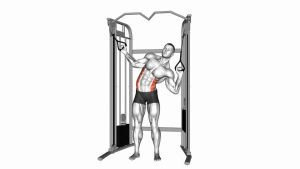
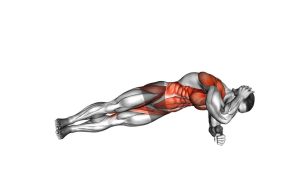
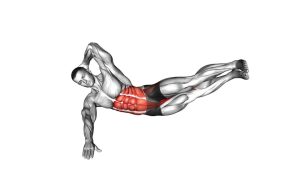
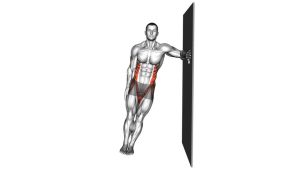
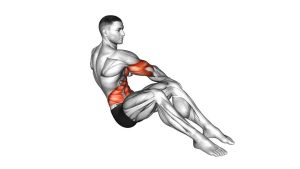
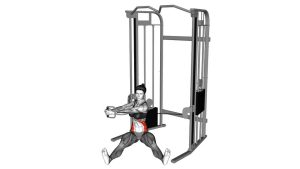
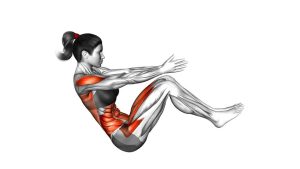
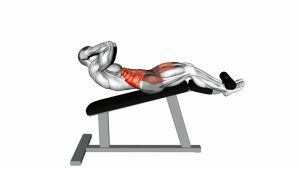
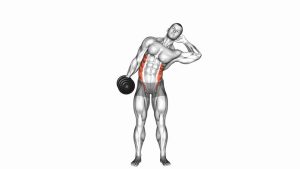
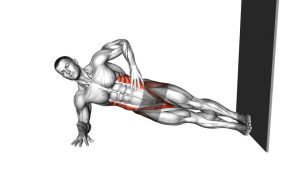
Lateral Bend Lying Down: Form, Muscles Worked, Sets, Tips & FAQ
Learn how to do the Lateral Bend Lying Down with proper form to target the obliques and strengthen the waist. Includes setup, step-by-step execution, sets by goal, common mistakes, FAQs, and recommended equipment.
Lateral Bend Lying Down
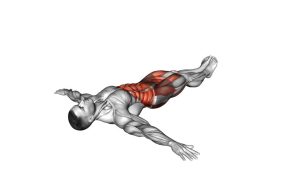
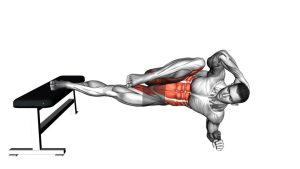
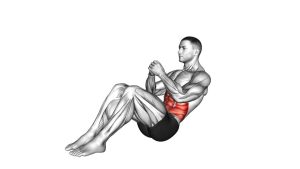
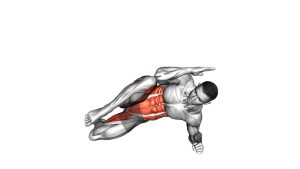
This exercise is useful for building oblique strength, improving side-to-side core control, and adding variety to traditional abdominal work. Because the movement is done lying on the floor, it reduces the need for equipment and makes it easier to focus on the waist muscles without loading the spine heavily. The key is to lift the upper torso slightly, bend through the side of the trunk, and return under control without pulling on the neck.
Quick Overview
| Body Part | Core / Obliques |
|---|---|
| Primary Muscle | Obliques |
| Secondary Muscle | Rectus abdominis, transverse abdominis, deep core stabilizers |
| Equipment | None |
| Difficulty | Beginner |
Sets & Reps (By Goal)
- General core strength: 3–4 sets × 10–15 reps per side
- Muscle endurance: 2–3 sets × 15–20 reps per side with short rest
- Core activation / warm-up: 2–3 sets × 8–12 controlled reps per side
- Technique focus: 2–3 sets × 6–10 slow reps per side with a 1–2 second squeeze at the top
Progression rule: First improve control, tempo, and peak contraction. Then increase reps, add pause time, or use a light weighted plate only after bodyweight reps feel clean and stable.
Setup / Starting Position
- Lie on your back: Position yourself flat on the floor or an exercise mat with your body fully extended.
- Straighten the legs: Keep your legs together and long, unless a slight knee bend feels more comfortable.
- Place the hands behind the head: Let your elbows flare naturally out to the sides without pulling the neck forward.
- Brace the core lightly: Tighten the abdominal wall just enough to create stability before each rep.
- Keep the neck neutral: Your head should stay supported by the hands, not forced upward by them.
Tip: If the straight-leg position feels too demanding on your lower back, bend your knees slightly to reduce strain while learning the movement.
Execution (Step-by-Step)
- Lift the upper torso slightly: Begin like a small crunch by raising your head and shoulders just off the floor.
- Bend to one side: Shift into a controlled lateral bend by bringing one side of your rib cage toward the same-side hip.
- Shorten the waist: Focus on squeezing the oblique on the working side instead of simply twisting the shoulders.
- Pause briefly at the top: Hold the contraction for a moment while keeping the movement smooth and compact.
- Return slowly: Lower back to the starting position under control without dropping the shoulders abruptly.
- Repeat evenly: Complete all reps on one side or alternate sides depending on your training plan.
Pro Tips & Common Mistakes
- Use a small range of motion: A short, precise bend keeps tension on the obliques better than a sloppy big movement.
- Do not pull the head: Your hands are there to support the head, not to crank the neck forward.
- Keep tension in the waist: Focus on shortening the side of the torso instead of rotating too much through the shoulders.
- Control the lowering phase: Lowering slowly helps maintain abdominal tension and improves quality reps.
- Avoid momentum: Swinging the torso reduces core engagement and can irritate the neck or lower back.
- Exhale on the squeeze: Breathing out as you bend can help improve abdominal contraction.
FAQ
What muscles does the Lateral Bend Lying Down work?
The exercise mainly targets the obliques, with assistance from the rectus abdominis, transverse abdominis, and other core stabilizers.
Is this exercise better than regular crunches for the waist?
It is better for emphasizing the side abdominal wall because the movement pattern involves lateral trunk flexion instead of mostly forward spinal flexion.
Should I alternate sides or do one side at a time?
Both can work. Alternating sides can feel more dynamic, while completing all reps on one side first may help you focus better on the oblique contraction.
Can beginners do this exercise?
Yes. This is generally a beginner-friendly bodyweight core exercise as long as you keep the motion small, avoid pulling on the neck, and stay controlled.
What should I do if I feel it more in my neck than my obliques?
Reduce the range of motion, keep your chin relaxed, and make sure your hands are only supporting the head. You can also try crossing your arms over your chest until your core control improves.
Recommended Equipment (Optional)
- Exercise Mat — provides better comfort and support for floor-based core work
- Ab Mat — useful for improving comfort and setup during abdominal training
- Soft Medicine Ball — can be used later for added resistance once bodyweight reps are easy
- Small Weight Plate — an optional progression tool for advanced users needing extra load
- Resistance Bands Set — great for pairing with additional core and oblique training variations
Tip: Start with bodyweight only. Add equipment later only if you can maintain smooth, controlled reps without neck strain or torso swinging.